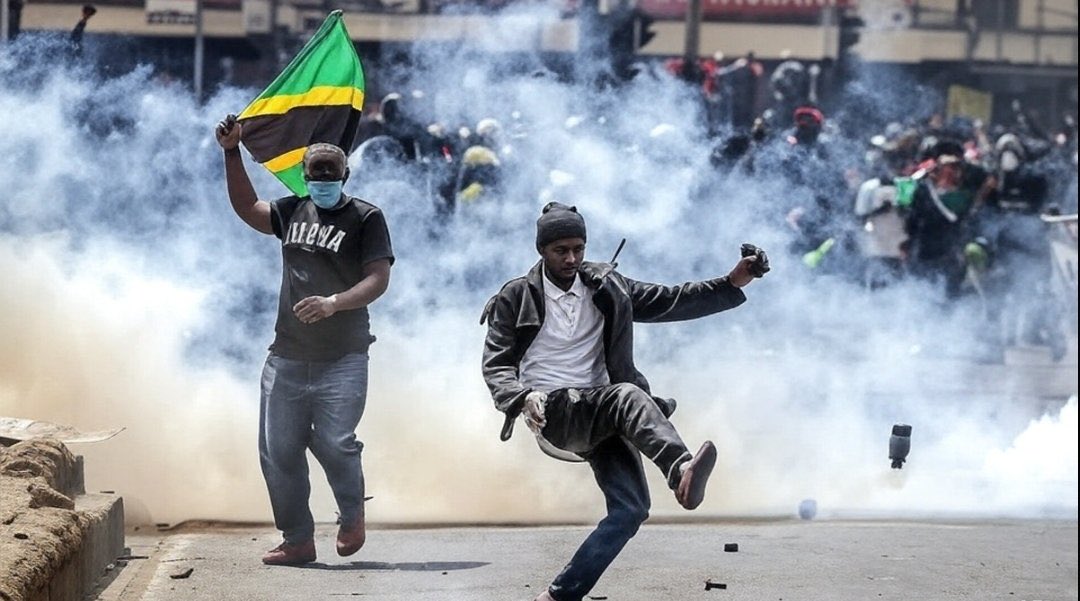
 A protester on the streets of Dar es Salaam kick a tear gas canister on election day, October 29, 2025. /SCREENGRAB
Poll violence erupted in Tanzania on Wednesday as the country held presidential and parliamentary elections amid growing calls for electoral reforms and political freedoms.
Incumbent President Samia Suluhu Hassan, who is seeking a second term, is widely expected to secure a landslide victory in an election boycotted by the main opposition, whose leader Tundu Lissu, remains in custody facing treason charges he denies.
Trouble started early in the morning when protesters disrupted voting in several polling stations, demanding transparency and accusing the ruling Chama Cha Mapinduzi (CCM) party of suppressing dissenting voices.
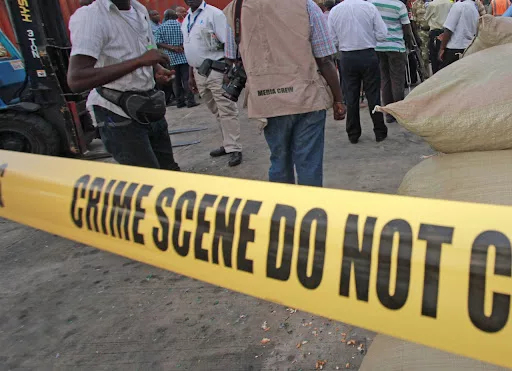
As the day progressed, tensions escalated sharply, with reports of arrests and confrontations between demonstrators and police spreading across urban centres.
Videos circulating on social media showed chaotic scenes, including crowds of protesters running through streets chanting anti-CCM slogans such as “Hatutaki CCM” (we don’t want CCM).
In one widely shared clip, a police officer who became separated from his colleagues was cornered and attacked by a mob.
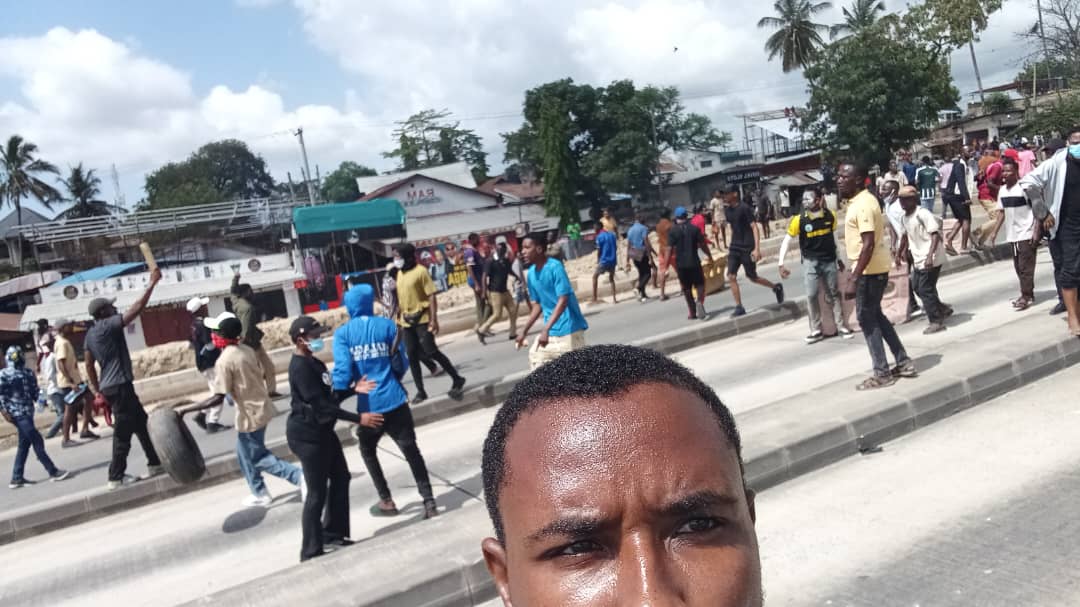 Protesters on the streets of Dar es Salaam chant anti-CCM slogans on election day, October 29, 2025. /SCREENGRAB
International media, including the BBC, reported several injuries as protesters blocked major highways and lit fires to express frustration over what they described as shrinking democratic space and the exclusion of opposition figures.
Businesses were torched and vehicles vandalised, with local sources describing scenes of destruction in parts of Dar es Salaam, Arusha, and Mwanza.
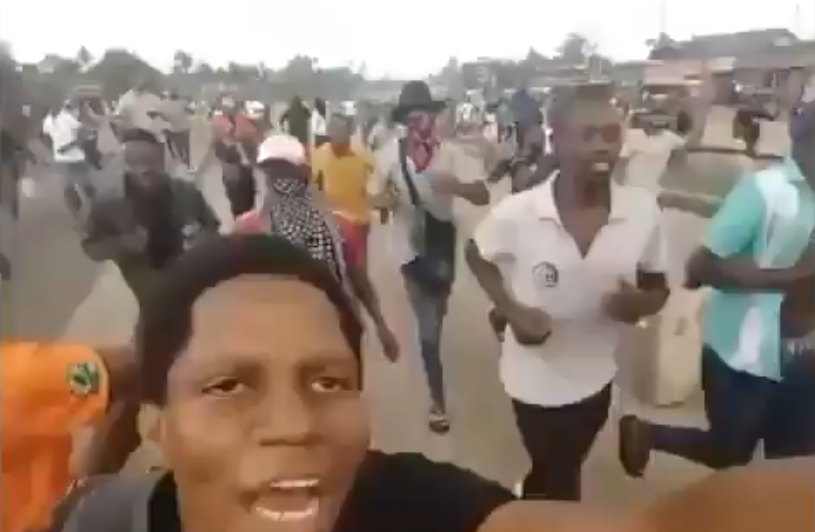 Protesters on the streets of Dar es Salaam chant anti-CCM slogans on election day, October 29, 2025. /SCREENGRAB
The violent scenes contradicted earlier assurances from the Tanzania Police Force that security had been tightened nationwide and that citizens had nothing to fear.
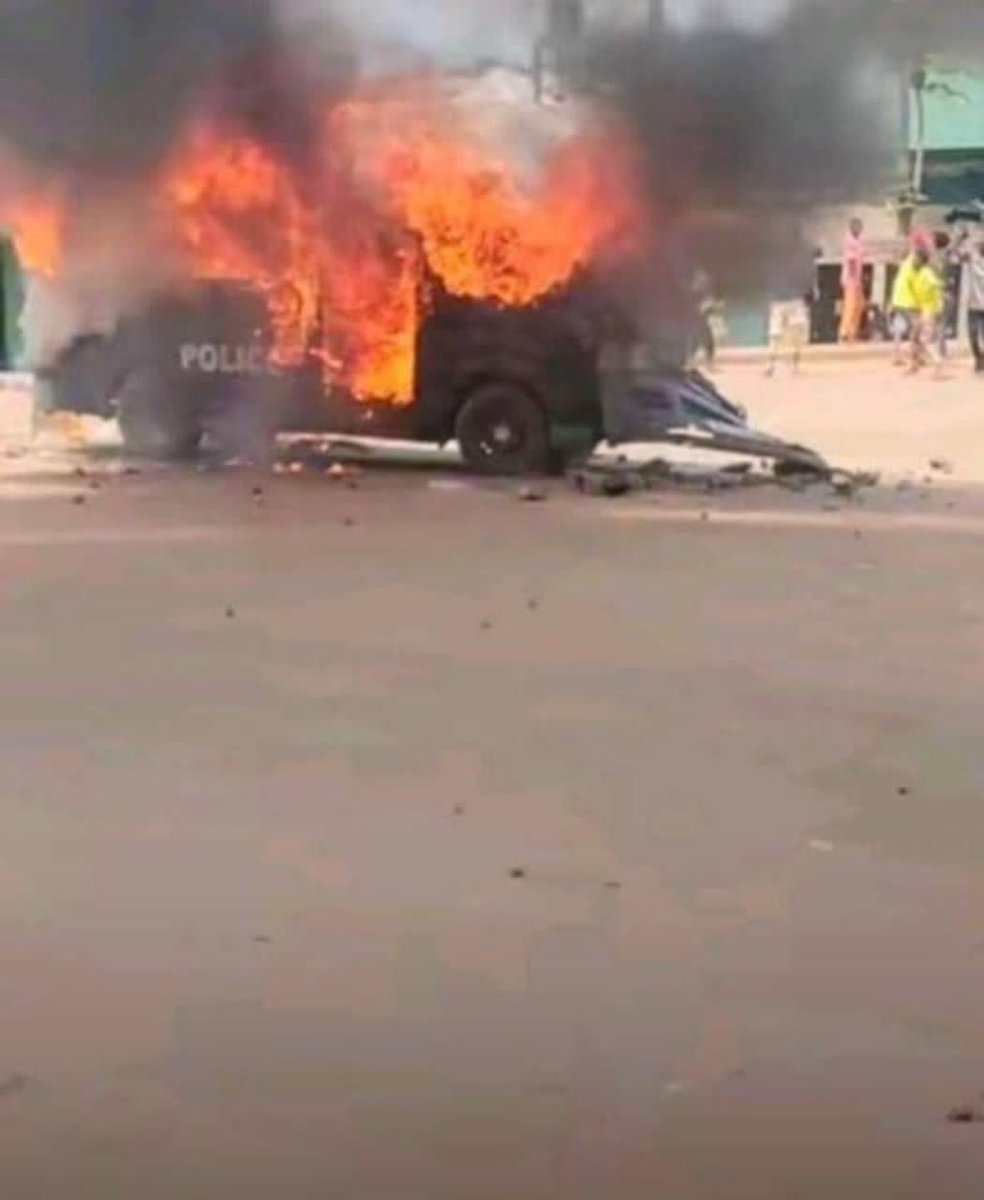 A torched police car in the streets of Dar es Salaam on election day, October 29, 2025. /SCREENGRAB
Dar es Salaam Regional Commissioner Alfred Chalamila condemned the violence, warning that the government would take “strong action” against anyone disrupting peace and public order.
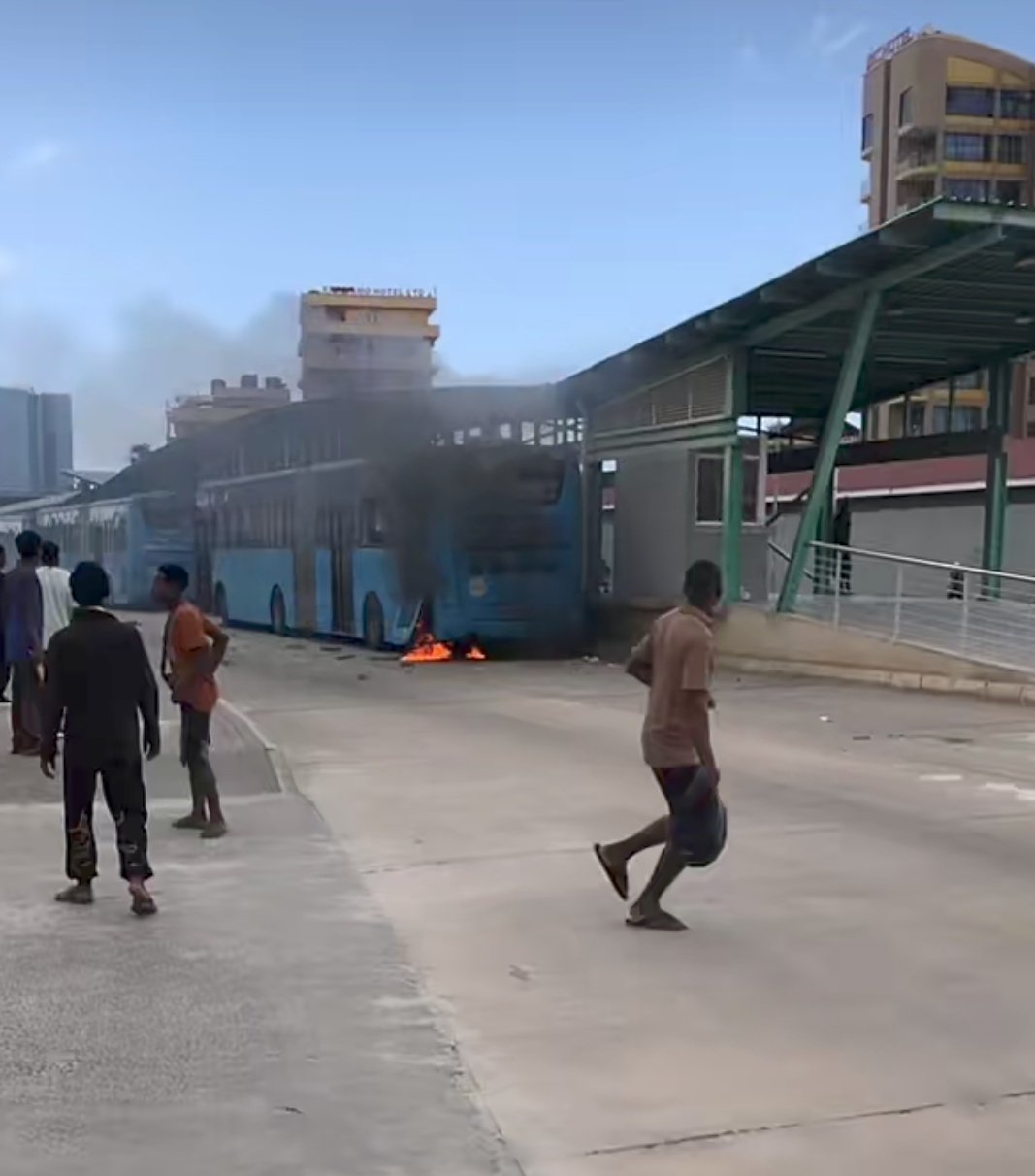 Protesters on the streets of Dar es Salaam after torching one of the buses on election day, October 29, 2025. /SCREENGRAB
The ongoing unrest has raised concerns among regional observers about the credibility of the election and the future of Tanzania’s fragile democratic institutions.