A chronic lack of financing for small-scale farmers is undermining efforts to build sustainable and resilient food systems, a new global study has shown.
The research conducted by Climate Focus for the Family Farmers for Climate Action (FFCA) says the funding gap has severe implications for food security, global supply chains, poverty reduction and social stability.
FFCA is a global alliance representing 95 million small-scale producers across Africa, Latin America, Asia and the Pacific.
According to the analysis, small-scale farmers require US$443 billion (Sh57.2 trillion) annually in climate finance to adapt to the impacts of climate change.
This figure is slightly less than the US$470 billion (Sh60.7 trillion) the UN estimates is spent every year on agriculture subsidies that harm the environment.
The report equates the need to an average investment of US$953 (Sh123,127) per hectare.
In East Africa, US$34.6 billion (Sh4.47 trillion) is needed annually to meet adaptation costs for small-scale farms, which account for around 75 per cent of agricultural production and employment.
However, only US$180 million (Sh23.2 billion) in international public climate finance reached smallholder farmers in the region in 2021 — a mere 0.5 per cent of the estimated requirement.
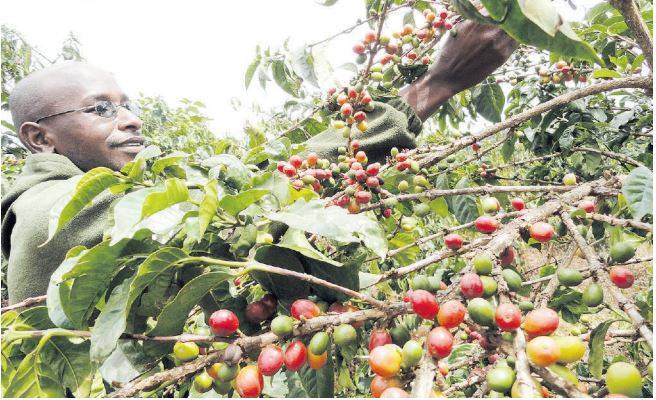
Globally, smallholders produce half of the world’s food calories and sustain more than 2.5 billion livelihoods.
In Kenya, where agriculture contributes 20 per cent of GDP and employs more than 70 per cent of the rural population, there are 7.5 million smallholder farmers, accounting for 80 per cent of national food output.
The report warns that climate extremes are worsening, with droughts, floods and storms damaging harvests, driving hunger and pushing up food prices.
FFCA has called for a major boost in adaptation finance, including creation of a dedicated “Farmers Fund” to channel resources directly to smallholders.
“This isn’t charity — it’s an investment in global food security,” Elizabeth Nsimadala, president of the Eastern Africa Farmers Federation, said. “Investing in smallholder adaptation benefits us all.”