A Sh38 billion climate fund has strengthened resilience, benefiting millions as communities adapt to worsening climate impacts across Kenya, the National Treasury has said.
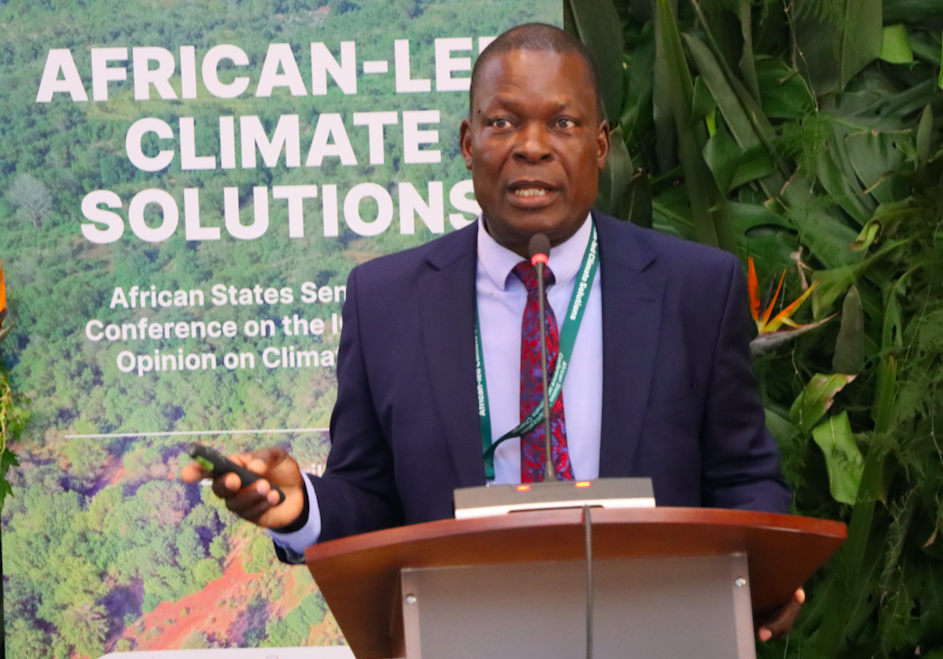
Head of the Climate Finance and Green Economy Unit at the National Treasury, Peter Odhengo, said the Financing Locally-Led Climate Action (FLLoCA) programme has helped communities improve preparedness and respond to climate risks.
“One million people have directly benefited from climate-resilient planning, preparation, surveillance and response, while 2.5 million have benefited indirectly,” he said.
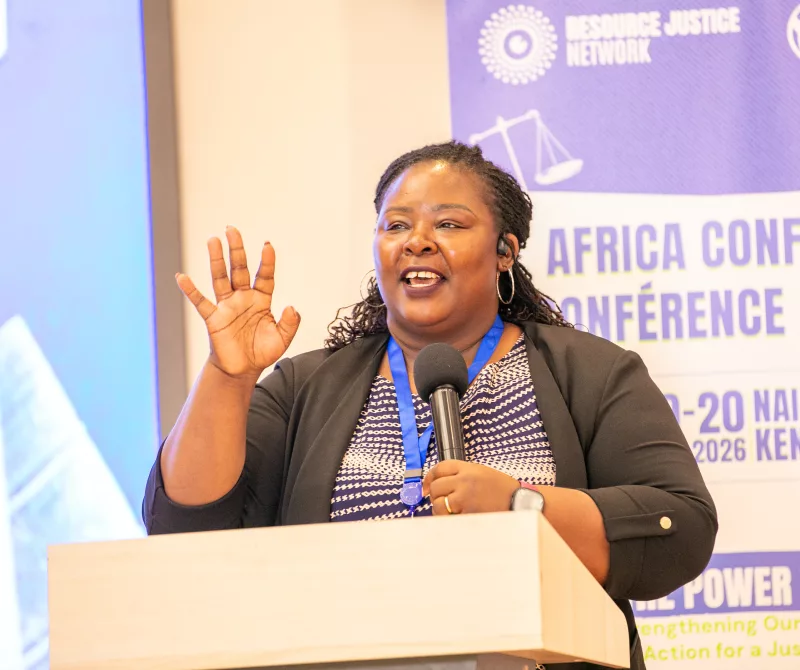
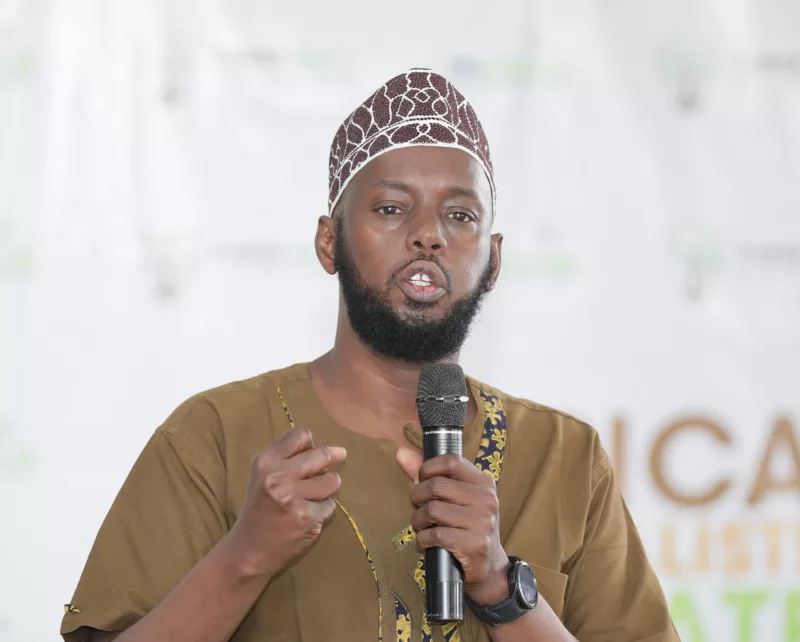
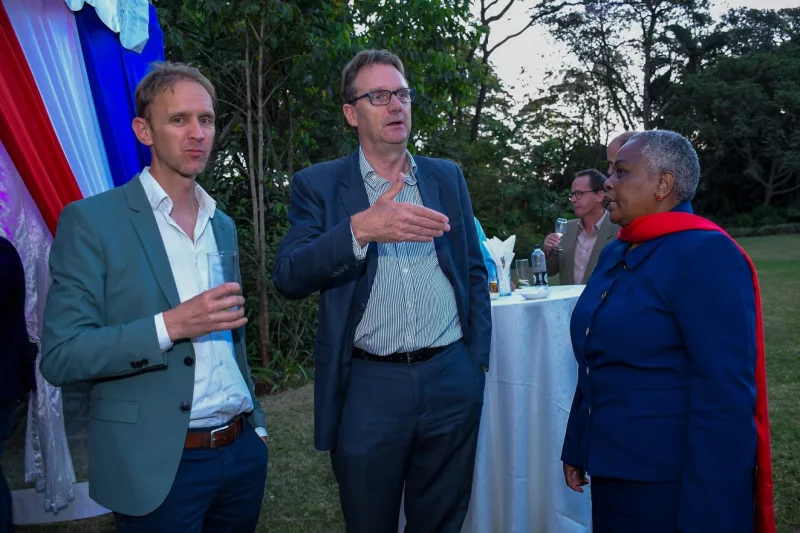
Odhengo spoke during the African States Sensitisation Conference on the International Court of Justice advisory opinion on climate change in Nairobi.
The meeting brought together African leaders, policymakers, legal experts and scientists, who called for home-grown solutions as climate impacts continue to hit vulnerable communities hardest.
FLLoCA is co-financed by the World Bank and the governments of Germany, Sweden, Denmark and the Netherlands, and supports a bottom-up approach in which communities identify and prioritise climate projects.
The programme has enabled counties to implement their Climate Change Action Plans, fund local projects and strengthen institutions at the grassroots level.
Odhengo said 56 per cent of the beneficiaries are women, reflecting a strong focus on inclusive development.
He said 28,000 hectares (69,189 acres) and water ecosystems have been placed under improved conservation and sustainable management.
So far, 1,238 rural wards have benefited, with investments spread across key sectors.
About 47 per cent of the funds have gone to agriculture and livestock, 25 per cent to water, 22 per cent to environmental conservation, and the remainder to disaster response, energy and other areas.
The programme has also strengthened local governance structures, including 2,690 county climate change units and 1,335 ward-level planning committees.
In addition, environmental and social safeguards have been put in place, with officers deployed and special accounts opened to manage funds transparently.
Odhengo said the programme is part of a 10-year government plan aimed at building long-term resilience.
He said the initiative was rolled out after it became clear that external funding alone would not be sufficient to support communities facing climate risks.
“Responding to the impact of climate change is our responsibility. Those who caused it, we will deal with them at a certain point,” he said.