The death of Raila Odinga, a towering figure in Kenya’s political and social history, drew thousands of mourners, from heads of state and dignitaries to ordinary citizens who felt connected to his lifelong struggle for democracy.
The outpouring of emotion, solidarity, and ceremony reminded many Kenyans of the deep cultural and personal significance of funerals.
But it also raised an important conversation:what does respectful funeral etiquette look like in the modern age?
Funerals, especially those of public figures, can easily blur the lines between solemn commemoration and public spectacle.
In an era where social media thrives on “first-to-post” culture, it’s more important than ever to pause and reflect on how we show respect during such moments of collective mourning.
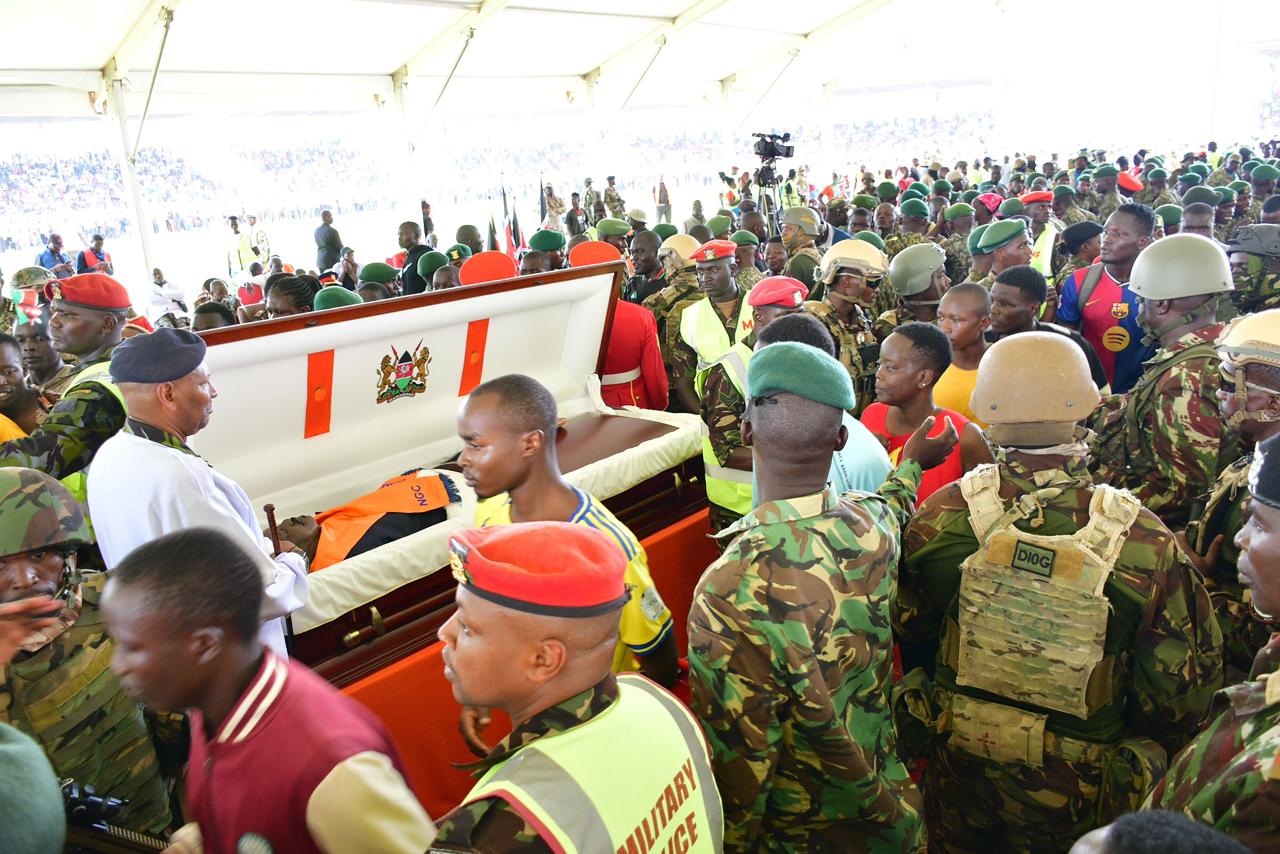
mourners view the body of late Raila Odinga
1. Dress the Part, Respectfully
A funeral, regardless of status or scale, is not a fashion show. While it’s natural to want to look presentable, subdued colors, modest dressing, and neat grooming show empathy to the bereaved. Kenya’s traditional black-and-white palette still carries symbolic weight though cultural attire may also be appropriate depending on the family’s wishes.
2. Silence Is Golden
During Raila Odinga’s burial, moments of silence and prayer were deeply moving, until the occasional ringtone or loud chatter broke the mood. Good funeral etiquette demands attentiveness. Turn off your phone, avoid unnecessary conversations, and let the moment breathe.
3. Photography With Permission
In today’s digital world, many mourners instinctively reach for their phones to document events. But a funeral isn’t content. Unless you have explicit permission from the family, avoid taking photos or videos particularly of the deceased, grieving family members, or sensitive moments. Respect is more powerful than reach.
Read More; Why Raila’s Grave Will Not be Filled with Soil: Engineer Explains the Special Design
4. Be Present, Not Performative
If you attend a funeral, do so out of genuine care, not for visibility. Don’t make a show of your presence, and avoid turning solemn events into personal platforms. Whether you’re a celebrity, politician, or neighbor, humility speaks louder than words.
5. Offer Support, Not Sympathy
True etiquette extends beyond the ceremony. A simple message, a home visit, or a meal shared with the bereaved family in the weeks after the funeral often means more than any speech delivered on the day itself.
The funeral of Raila Odinga was a historic and emotional event but beyond the politics and national mourning, it was also a reminder that dignity, empathy, and restraint are timeless forms of respect.
In the end,funeral etiquette isn’t about rules; it’s about reverence. Whether you are saying goodbye to a global icon or a loved one from your neighborhood, how you show up speaks volumes about who you are and how much you truly honor the person who has departed.