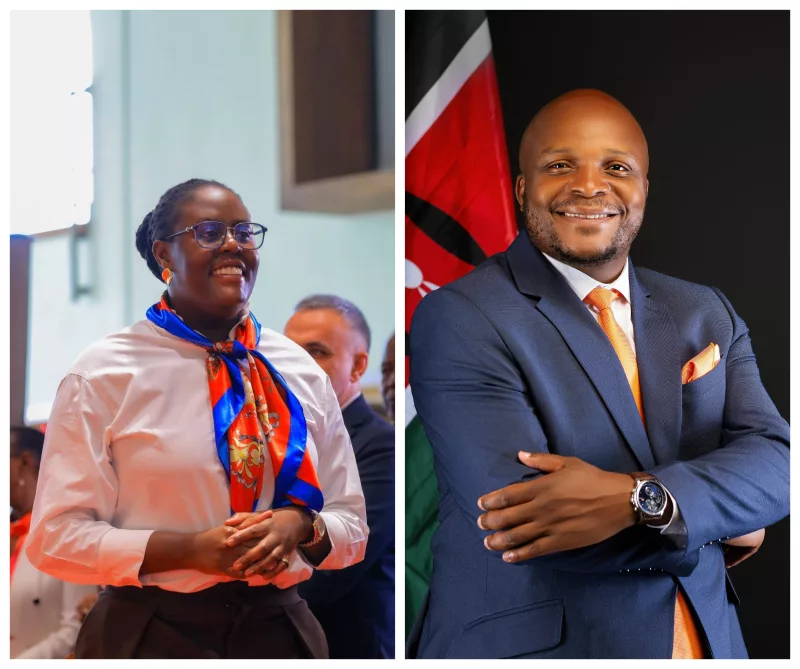
When media personality Jacque Maribe invoked the chant “Jowi Jowi Jowi” in her tribute to the late Raila Amolo Odinga, she tapped into one of the most powerful and sacred expressions in Luo culture.
The word carries deep emotional and cultural resonance, reserved only for moments of immense loss and reverence.
The Meaning of “Jowi”
In Luo tradition, “Jowi” literally translates to buffalo—a creature symbolising strength, courage, and leadership.
Over time, the term has come to represent a fallen hero or an individual whose life embodied these same traits.
According to Luo elders, the chant “Jowi! Jowi! Jowi!” is not a casual exclamation but a funeral dirge of honour, reserved for the most respected members of society — warriors, leaders, and people of great influence.
Luo elders explain that Jowi is used to acknowledge a person whose passing leaves a void in the community’s spirit and collective memory.
The chant is both an expression of grief and a public proclamation of respect.
A Ritual of Respect and Transition
The Jowi chant forms part of the broader Luo mourning tradition known as Sigweya, a poetic and emotional performance where mourners recall the virtues, bravery, and legacy of the deceased.
These dirges are deeply spiritual, serving to usher the departed into the ancestral realm. The final call of “Jowi!” signifies acceptance of the person’s transition from the world of the living to that of the honoured ancestors.
READ MORE: A Clash of Worlds: How Raila’s Final Wish Disrupts Luo Burial Timelines
The chant’s rhythm, tone, and repetition vary, but its purpose remains constant — to celebrate the spirit of the deceased and to affirm that they have earned a place among the revered.
Public Use in National Mourning
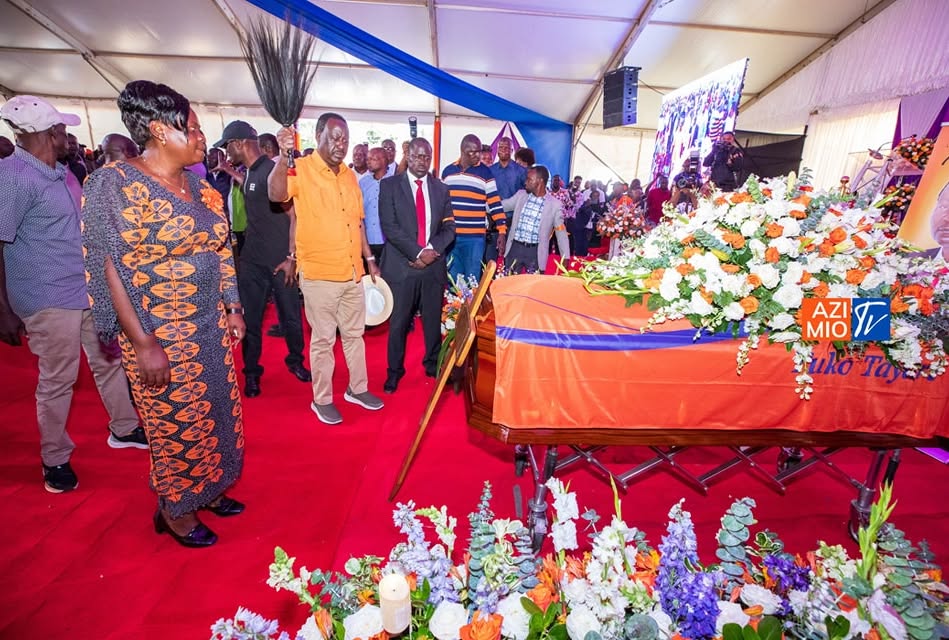
Over the years, Kenya has witnessed Jowi invoked during high-profile funerals, notably by Raila Odinga himself.
During the burial of former President Daniel arap Moi, Raila publicly chanted “Jowi! Jowi!” — a symbolic gesture of national unity and cultural reverence that transcended politics.
Such moments highlight how the Luo mourning chant has evolved into a national symbol of honour, bridging ethnic tradition and modern state ceremony.
Jacque Maribe’s Emotional Tribute
In her Instagram Stories, Jacque Maribe wrote, “I can finally say Jowii Jowii Jowii without you all judging me. It is for my friend’s dad, the late Fidel.”
Her message referenced Fidel Odinga, Raila’s son, who died in 2015, but it also reflected the collective mourning that followed Raila’s passing.
Fully aware of public scrutiny, the former Citizen TV anchor pleaded with followers not to misinterpret her use of the chant, adding, “Please don’t judge me.”
Maribe clarified that her tribute was heartfelt — a cultural and emotional expression, not a political statement or a reference to her past controversies.

Tradition Meets Modern Expression
Maribe’s use of Jowi reignited public discussion about how traditional mourning practices are being reinterpreted in modern spaces such as social media.
While some felt the chant should remain sacred and confined to funeral settings, others saw her gesture as a powerful reminder of Kenya’s diverse cultural heritage.
It also highlighted a growing intersection between tradition and modernity, where young Kenyans — especially public figures — find ways to reconnect with ancestral customs in a changing world.