The military has officially taken control of operations at the Jomo Kenyatta International Airport (JKIA) ahead of the arrival of the body of former Prime Minister Raila Amolo Odinga, who passed away while undergoing treatment in India earlier this week.
Military personnel were also deployed to Parliament Buildings in Nairobi, where the late leader’s body will lie in state for public viewing on Thursday afternoon.
The deployment marks the beginning of a full State Funeral programme, following President William Ruto’s announcement that Raila Odinga will be accorded all the honours befitting a national statesman.
Security around JKIA, Parliament, and major city routes has been intensified. The National Security Council, chaired by President Ruto, directed enhanced operations across major urban areas ahead of the arrival and burial of the late Odinga.
Inspector General of Police Douglas Kanja ordered the reinforcement of police presence nationwide, particularly in Nairobi, Kisumu, and Bondo, to ensure calm during the mourning period.
Police have mounted checkpoints and roadblocks, while military trucks and officers in ceremonial uniform are visible in key areas of the capital.
Deputy President Kithure Kindiki, who co-chairs the National Funeral Committee, confirmed that Raila Odinga will be laid to rest on Sunday, October 19, in line with his family’s wishes.
Speaking from Karen, Kindiki said Odinga had expressed a desire to be buried within 72 hours of his death a wish that will be honoured.
How Military Burials Take Place in Kenya
A State Funeral with military honours is one of the highest forms of respect the Republic of Kenya can grant a national leader. Such ceremonies follow a detailed and deeply symbolic military tradition overseen by the Kenya Defence Forces (KDF).
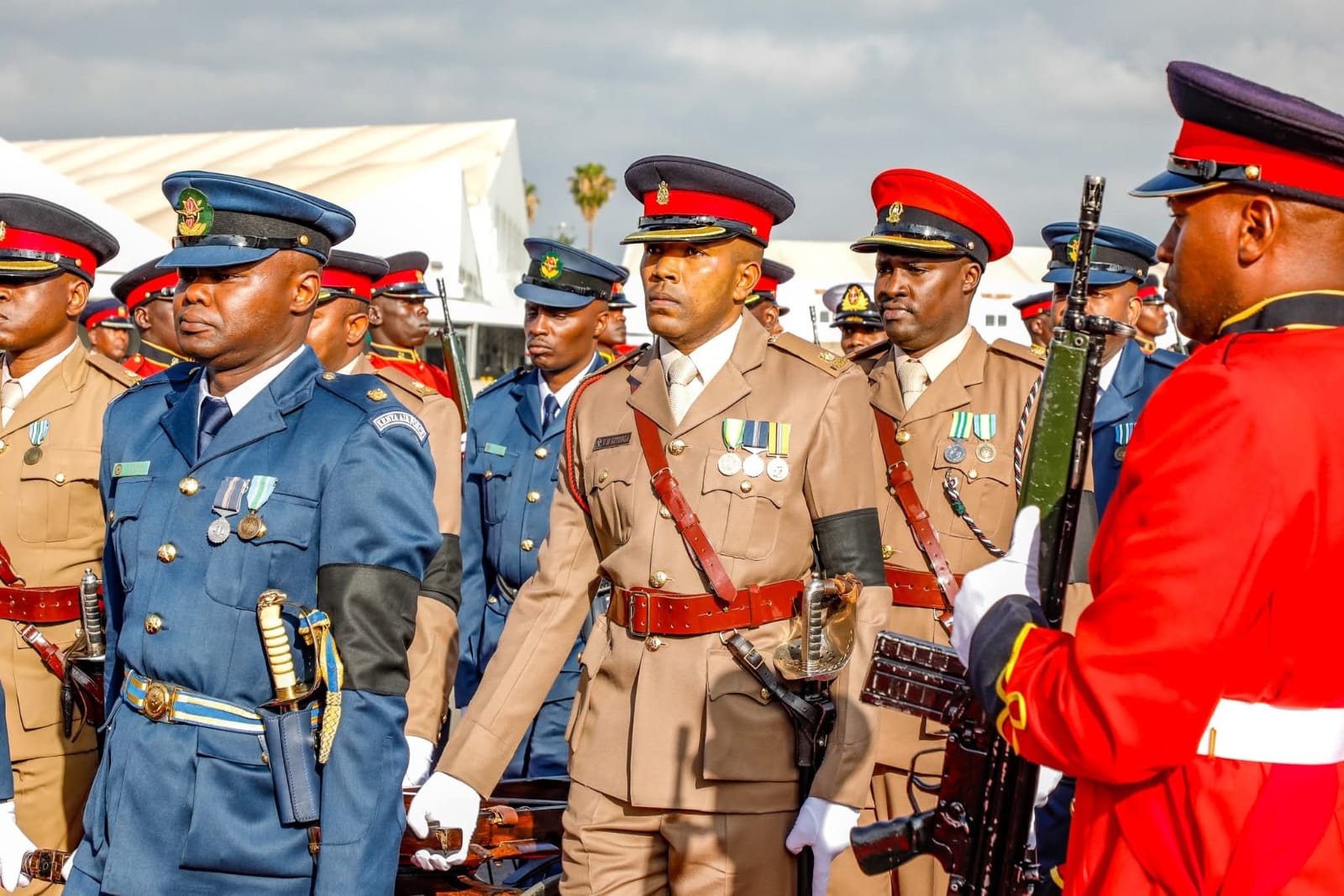
The process begins with the ceremonial procession, led by a military band and a guard of honour. The casket usually draped in the national flag is transported on a gun carriage escorted by high-ranking officials and soldiers. Along the procession route, citizens line the streets to pay their last respects.
At the funeral venue, a guard of honour stands at attention as the national anthem is played. A three-volley saluteis then fired by a rifle party as a final tribute to the deceased.
During the burial service, religious leaders lead prayers and hymns, followed by military rituals that honour the deceased’s service to the nation.
The casket is slowly lowered into the grave amid trumpet calls, symbolising the final farewell.
The flag-folding ceremony is among the most emotional moments. A senior KDF officer carefully folds the national flag that covered the casket and presents it to the family a gesture symbolising the country's gratitude for the departed leader’s contribution to the nation.
For presidents, prime ministers, and senior military figures, the service may include a 19-gun salute or a flypast by military aircraft. The number of shots fired depends on the individual’s rank or position held in public service.
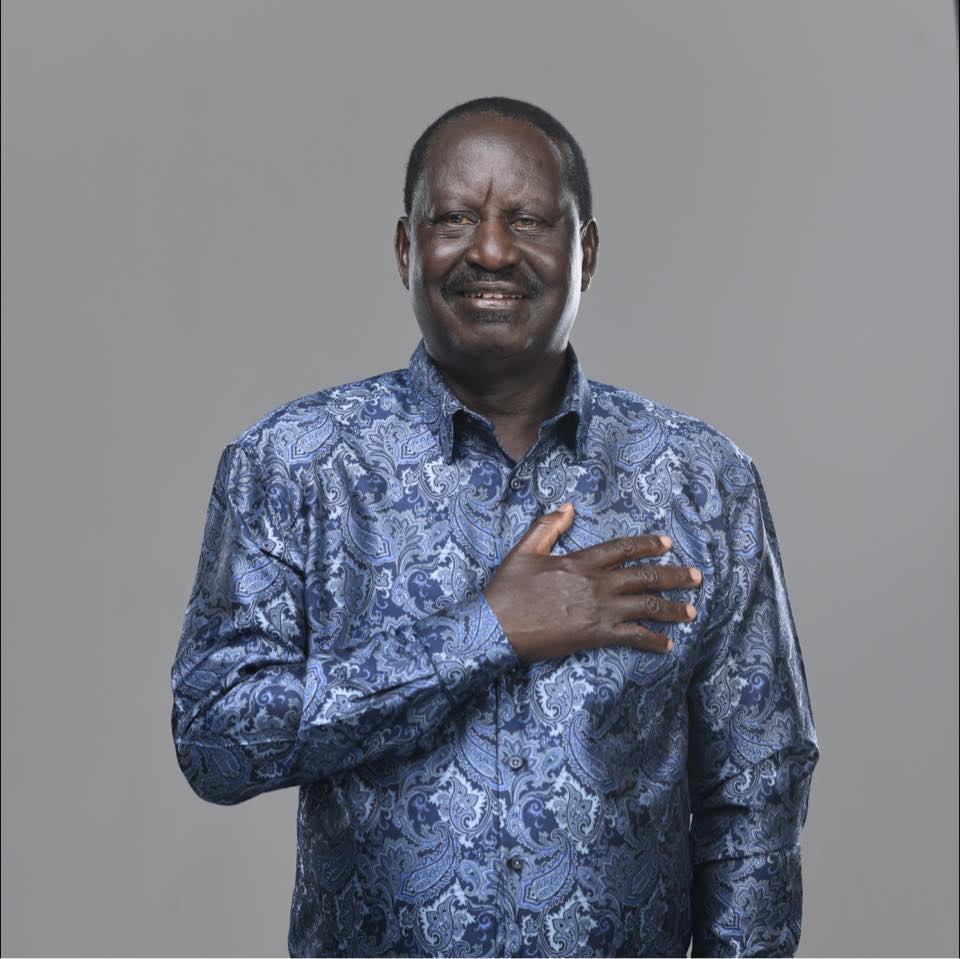
In some cases, the burial takes place at a family home, such as Odinga’s in Bondo, while others are laid to rest in national or military cemeteries.
A Nation Mourns a Statesman
The military takeover of key installations signals the beginning of one of Kenya’s most solemn national moments.
As the body of Raila Odinga returns home, the country stands united in grief preparing to bid farewell to a man who shaped Kenya’s democratic journey for over four decades.
His final journey will not only be a moment of mourning but also a historic display of the nation’s gratitude to one of its greatest sons.