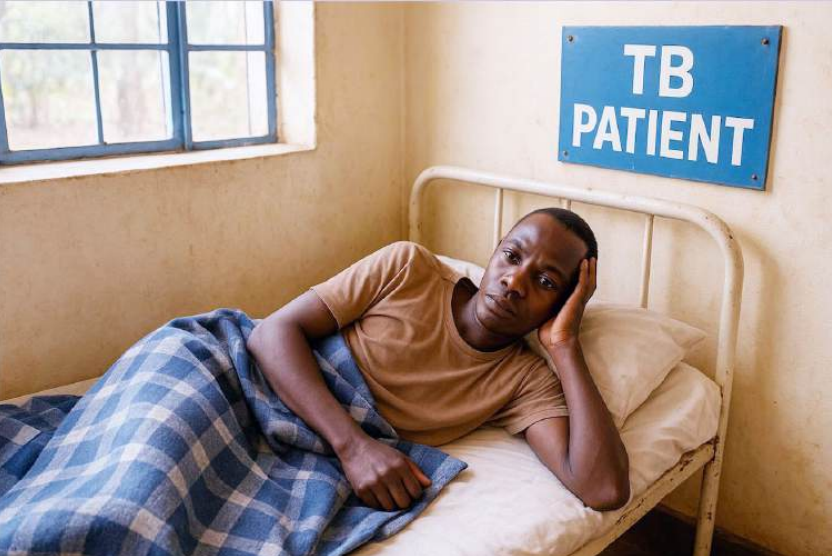
It takes between 18 and 20 painful months to treat the drug-resistant tuberculosis.
The long journey is marked by relentless medication routines with debilitating side effects such as hearing loss, mental distress and stigma.
This has caused a growing number of survivors to call for alternative solutions to the current draining treatment regimen, emphasising the need for a simpler, quicker intervention.
“We are a living proof that DR-TB treatment works, but it has cost us too much. The country must move faster to give others shorter, oral and safer treatment so no one suffers the way we did,” NC, a survivor of DR-TB said.
NC is among 30 TB champions from 10 high-burden counties who met recently to share their experiences and explore strategies to cope with and better fight the disease.
The counties represented include Nairobi, Machakos, Murang’a, Mombasa, Laikipia, Turkana, Kakamega, Kajiado, Migori and Kericho.
During the two-day community workshop, organised by Kelin in partnership with the Network of TB Champions (Kenya), they shared moving testimonies about the grueling nature of the current treatment.
Another survivor, AM from Mombasa, described the constant struggle to keep up with the treatment.
“The injections were painful and the side effects harsh. At one point, I could barely hear properly and the isolation was crushing. But I stayed on the treatment because I wanted to live and see my children grow,” AM said.
From Kakamega, TB champion JM recounted the difficulties he faced balancing treatment and work.
“The long treatment period affected my income because I couldn’t work consistently. It strained my family, but I used my experience to educate others about the importance of sticking to the medication.”
LS from Kericho shared her mental health challenges during treatment.
“It was not just the physical pain. The stigma from the community made me feel like an outcast. Many times I battled depression, but the support groups and fellow survivors kept me going,” LS said.
The workshop sought to strengthen community and civil society literacy on DR-TB and build capacity for advocacy and access to optimal services.
It is part of the Combat DR-TB project, a Unitaid-funded, community-driven initiative focused on transformative change in managing drug-resistant tuberculosis.
Participants moved beyond sharing their struggles to collaboratively develop clear, community-driven messages designed to promote early testing and treatment adherence.
They also dispelled myths and misconceptions that contribute to stigma and to strengthen community-led monitoring and referral networks.
County-level advocacy plans were developed to push for the rollout of shorter, all-oral treatment regimens and broader access to modern diagnostic tools.
These tools can detect DR-TB earlier and help prevent patients from being lost to follow-up, a major challenge in controlling the disease.
A key resolution from the workshop was the urgent need for shorter, all-oral treatment regimens to be made available in every county, alongside rapid access to modern diagnostics to reduce delays between testing and treatment initiation.
The community of TB champions pledged to serve as voices of accountability in the fight against drug-resistant TB, emphasising the battle is not only a medical one but also a social and community-driven effort.
INSTANT ANALYSIS
As the workshop concluded, participants underlined the importance of continuous community engagement and the critical role of survivors in shaping policies that prioritize effective, less burdensome treatment options.