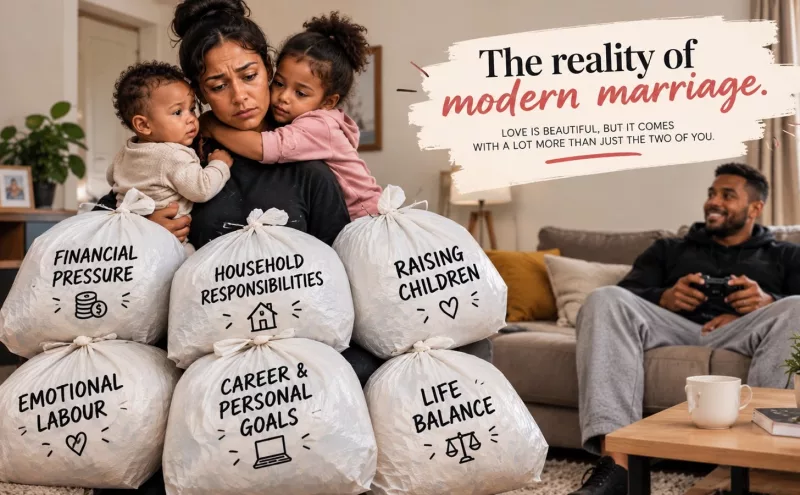
The ongoing public discourse surrounding family size and financial stability took center stage during Classic 105 FM’s morning conversation, hosted by Mike Mondo and Mwalimu King’ang’i.
The debate explored whether having numerous children is related to heightened poverty levels in modern Kenya.
The Policy Proposal Driving the Debate
The discussion was ignited by a suggestion from Nandi Senator Samson Cherargei. The Senator proposed that the government should consider adopting a two-child policy for Kenyan families.
The thinking behind this proposal is that such a policy could help guarantee a "better, more affordable lifestyle for most households".
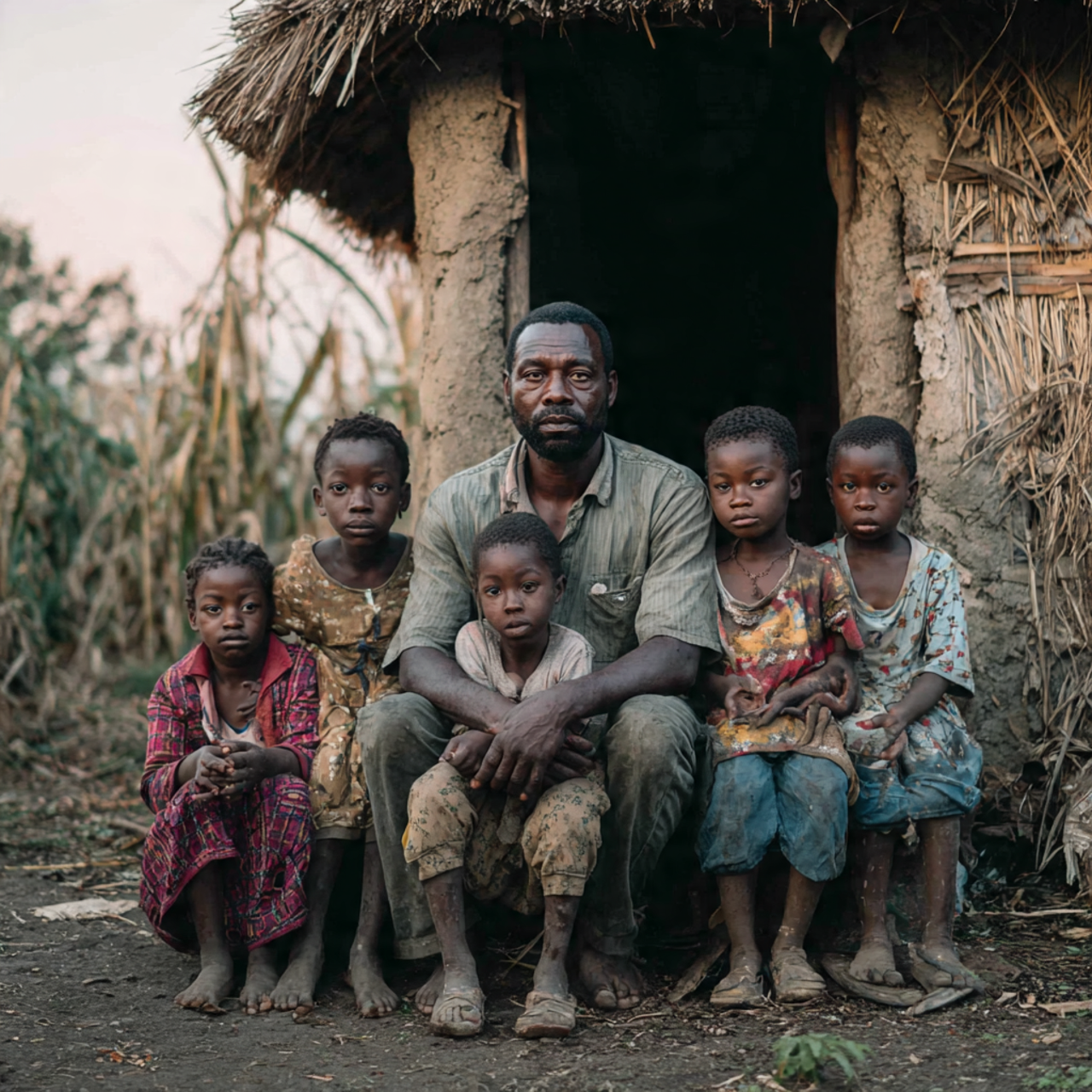
The Senator argued that it is time to prioritise quality over quantity, especially given the current cost of living.
Host Mike Mondo wholeheartedly agreed with this perspective. He questioned the practicality of expanding a family in the current economic climate.
"In this economy, would you even consider having another child?"
Rising Costs and Practicality Concerns
Mondo highlighted how quickly children can "deplete your income". He stressed that the costs for necessities are currently unaffordable. The cost of education, healthcare, and rent are all "off the roof," he noted.
ALSO READ: "It Was Carelessness": Nick Cannon on Having a Large Family
The host raised doubts about whether it is still sensible to have a big family. He specifically questioned how families with high numbers of children manage simple logistics.
He asked how a family of 12 people—10 children plus the parents—would travel for a Sunday outing.
Callers Divided on Family Size
Listeners calling in presented dramatically opposing views on the issue. While some agreed with the need for limitation, others strongly defended the right to have large families regardless of the economy.
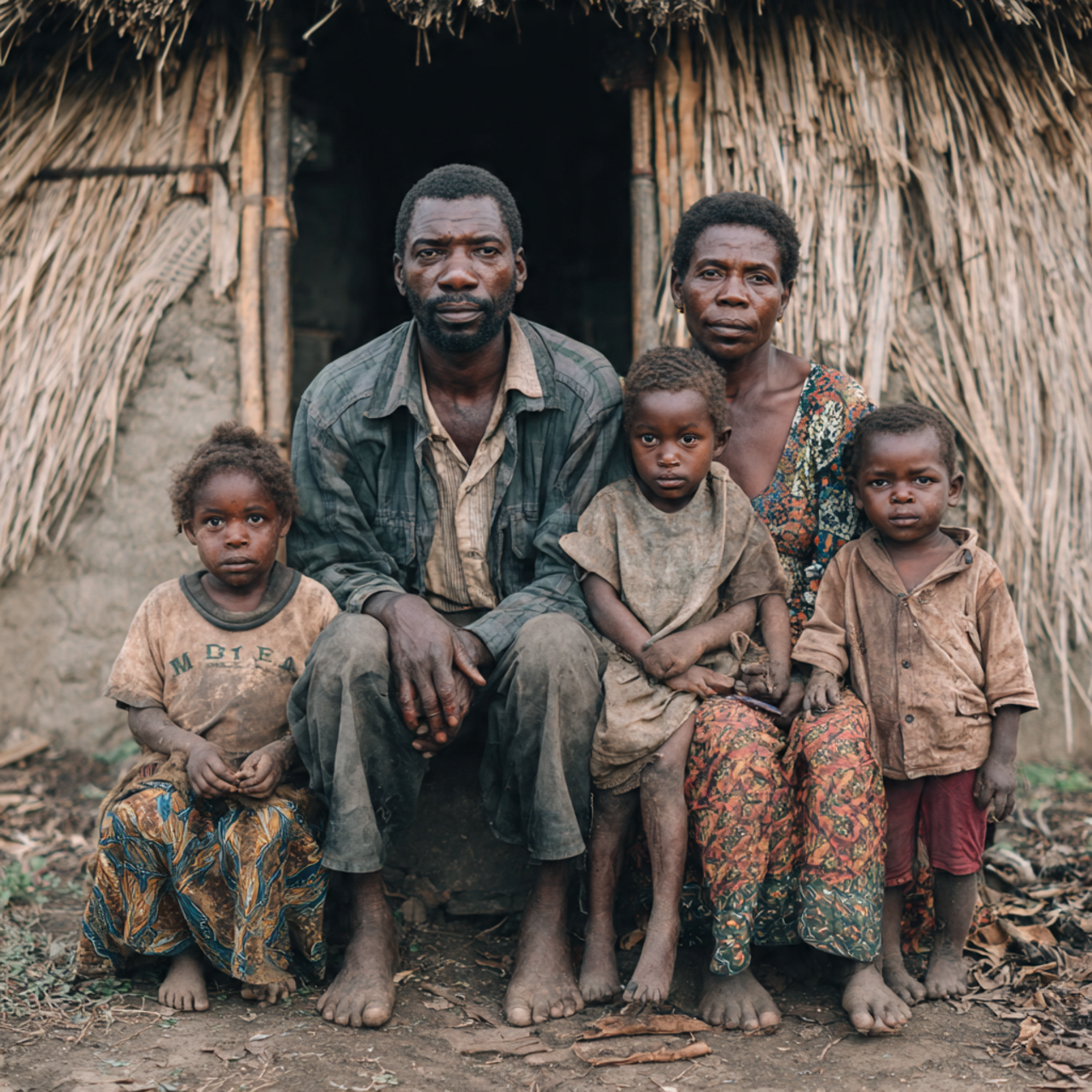
One caller stated that if given the opportunity, they would have 10 or 15 children. Another listener openly admitted to having 13 babies.
"I will have as many babies as I can."
Some listeners argued that large families can still lead to success. One caller recounted a successful family where more than 10 children grew up together in a single house. However, the hosts challenged the feasibility of replicating that success today.
Financial Planning vs. Unlimited Children
A critical point raised by callers was the need for personal financial planning. Patrick, a caller, suggested that the number of children people have should be "directly proportional to your income or to your budget".
He agreed with the principle that financial planning should guide reproductive choices.
He drew a parallel to past governmental advice, noting that just as the government plans its finances, people should plan theirs.
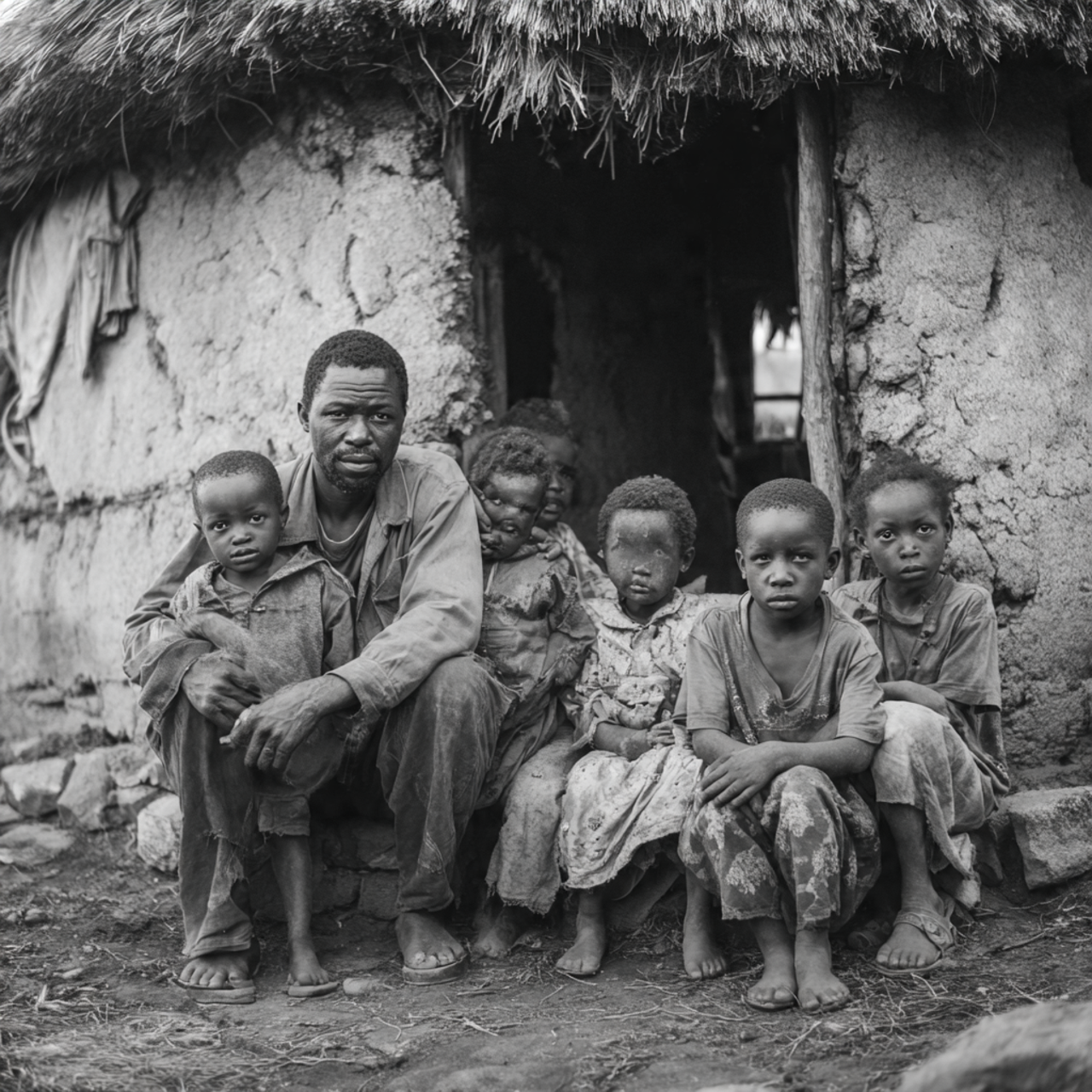
Another caller questioned how the policy would be enforced, asking: "Is it two kids per woman or two kids per man?".
This highlights the complexity of implementing such a measure, especially with situations involving multiple partners, referred to as "baby daddies".
Ultimately, the conversation revealed a deep divide between those prioritizing financial affordability and those who believe family size should not be dictated by economic pressure.