
The technological landscape of today is almost unrecognisable compared to just a few decades ago.
Many people over 35 are sharing memories of a time when life felt drastically different. This generational gulf in experience, often explored on social platforms like X and TikTok, highlights how technology has reshaped daily norms.
A Life Without 24/7 Connectivity
For Gen Z, immediate communication is standard. In the past, this was far from the norm. If someone was out of the house, there was no expectation of instant contact. A message would simply be left on an answering machine.

If you needed to speak to a friend, you had to call their home phone. You would first have to speak to whoever answered, often a parent, and ask to speak to the person you wanted.
READ AS WELL: Gen Z Dating in Kenya: Why Young Men Aren't Making the First Move
There was no Caller ID, so you could not ignore a call because you didn't know who was ringing until you picked up.
If you were away from home and needed to make a call, you had to find a physical phone booth. Crucially, you needed to remember to carry coins with you just in case.
The Struggle for Storage
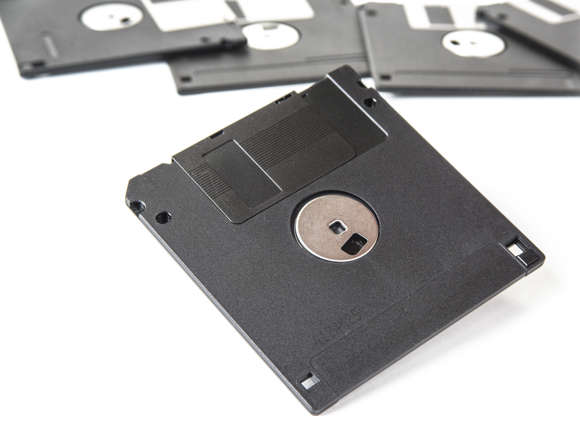
Modern data storage seems limitless, but in the "before times," every megabyte mattered. A standard 3.5-inch floppy disk held a modest 1.44 MB of data.
To achieve a single gigabyte of storage—a tiny amount by today's standards—you would have required 711 of these disks.
Computers themselves were a shared resource. The term "personal computer" was often misleading because most households only owned one computer for the whole family.
Obtaining Media and Information
Accessing entertainment and knowledge was a deliberate, time-consuming process. Online shopping did not exist, meaning you had to wait for stores to open if you wanted to make a purchase.
If you wanted a song without buying the whole album, you patiently waited for it to be broadcast on the radio.
When it played, you hit the record button as fast as possible to copy it onto a cassette tape. Cassettes frequently malfunctioned, requiring a pencil or pen to manually rewind the tape into place.
To watch a film at home, you borrowed it from a video rental store. You had to remember to rewind the tape before returning it.
ALSO READ: The Top Examples of How Mobile Technology Has Changed Entertainment
Getting information was equally slow. Before A.I., conducting research meant relying on encyclopedias and spending substantial amounts of time at the library.
People often had to live with the simple reality of wondering about something and not knowing the answer for days, or even weeks, later.
Navigating the Unknown
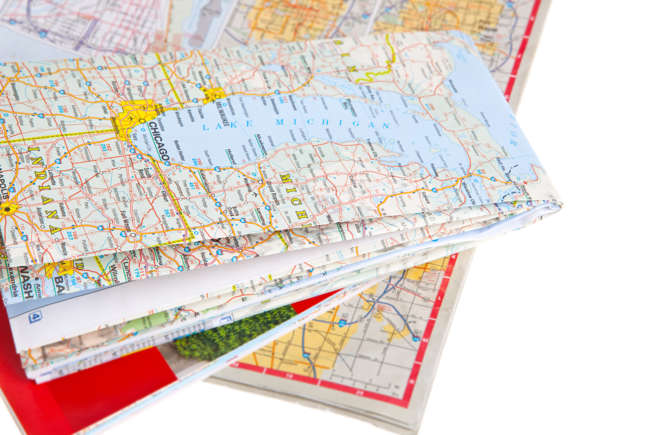
Travelling before smartphones required different tools. Paper road maps were the standard way to navigate new journeys before GPS became readily available to drivers.
When driving with friends to a concert in another city, people often had no GPS and no phones in the car.
That lack of knowing created a genuine sense of wonder about trying new things.
The Wait for Pictures
Photography was not instant. To capture an image, you needed a separate camera, as cell phones did not have cameras built in.
After taking a roll of film, you had to wait for the photos to be developed and printed.
It was only upon receiving the prints that you knew what the quality was, sometimes finding that a thumb had accidentally covered the lens.