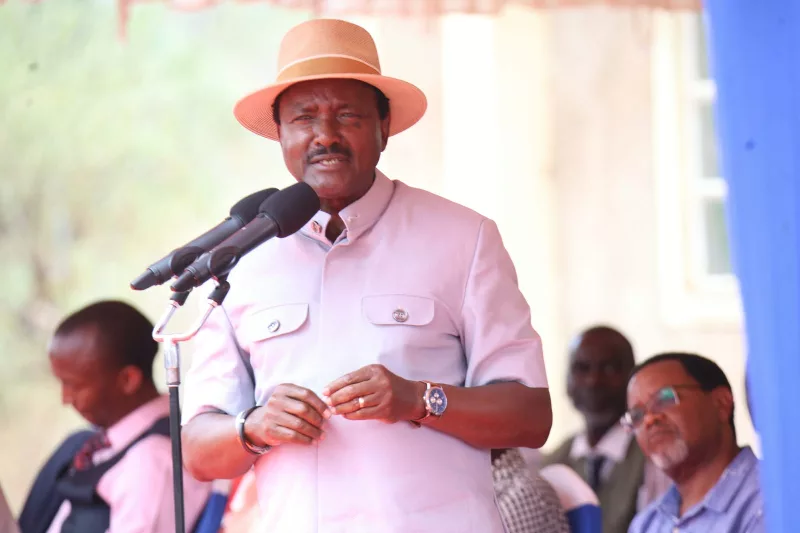
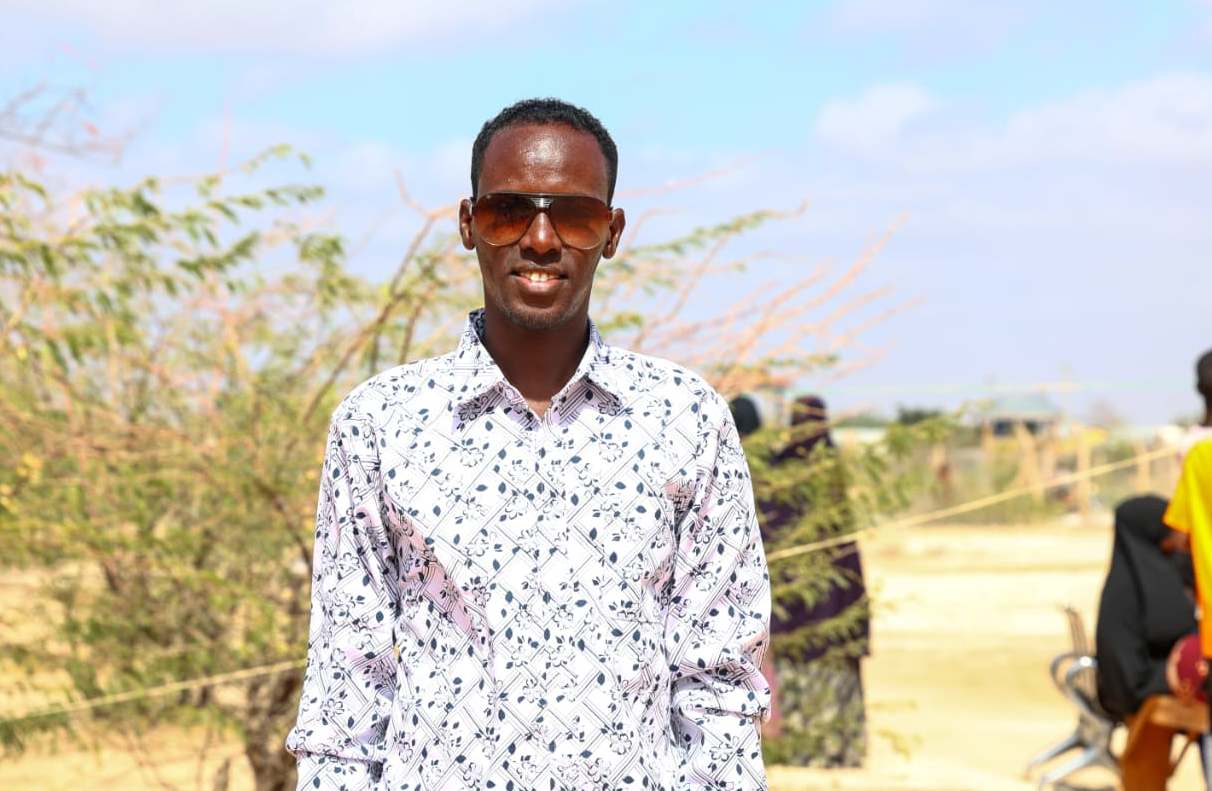
 Isadin Said, 28, who has finally received his national ID after a 20-year wait/COURTESY
For years, Elwak or El Wak, which translates to “the well of God", tucked along the Kenya-Somalia border, was synonymous with insecurity and neglect.
It is reclaiming its security, restoring trust in institutions, and offering its people a renewed sense of belonging.
A palpable sense of hope and progress fills the air, as improved security and streamlined civil registration services transform daily life.
Residents now speak of real, visible change.
For 38-year-old Isadin Said, this week marked the end of a 20-year wait.
Born and raised in Elwak, he finally received his long-sought identification card.
“I have been in search of a birth certificate for 20 years, so today I thank my God for this moment. The process has become much easier, and after filling out the papers, it only took three to four days for me to receive my document. I was born in 1987, and this is the day I am finally getting my Identification Card,” he said, smiling.
His joy mirrors the wider changes in Elwak, where residents once endured endless delays in obtaining identification documents and lived under the shadow of insecurity.
President William Ruto signed a decree in February this year ending years of State discrimination in the issuance of the vital documents.
For several years, the residents had endured extra vetting and ethnic profiling by the State before they acquired birth certificates and national identity cards.
Ruto termed the practice unjust and disenfranchising.
“If it’s about vetting, let all children of Kenya be vetted equally without any discrimination,” he said.
Another resident, Yusuf Alio, also welcomed the improvements.
“We are now able to get birth certificates and IDs much faster. In the past, it was always a real struggle. Life in Elwak is also safer; you can now walk or ride your motorcycle even at 2 a.m. Back in 2017, the streets would be deserted by 6 pm,” he recalled.
Speaking during the Jukwaa la Usalama tour of Mandera County, Interior Cabinet Secretary Kipchumba Murkomen said the government is prioritising both security and service delivery in the region.
“Civil registration services are currently available in five constituencies, but by the end of the year, we will have registries operational in all 12 sub-counties. This will make it easier for every resident to access essential documents such as birth certificates and IDs,” Murkomen said after reviewing operations at the Mandera Central Deputy County Commissioner’s Office.
He further announced plans to decentralise the use of biometric systems beyond Mandera town.
“We are expanding Live Capture Unit technology to every sub-county, not just the county registration centre and Huduma Centre. Our goal is to ensure that no Kenyan has to travel long distances to be served,” he noted.
Mandera, a vital hub for livestock trade with Ethiopia and Somalia, has long grappled with insecurity.
But today the atmosphere is calmer, thanks to intensified patrols, community dialogues, and intelligence sharing by multi-agency teams.
According to the Interior CS, chiefs and assistant chiefs under threat are being armed, while National Police Reservists (NPSs) are being recruited and equipped to reinforce local security.
“Modernisation efforts include leasing vehicles and deploying advanced technology. Although inter-clan clashes over grazing land and water remain a challenge, collaboration between community leaders and national administrators has significantly helped to contain the violence,” he added.
The two-day Jukwaa la Usalama tour covered the county’s vast terrain.
Day one in Mandera town brought together leaders and residents from Mandera East, Mandera North, Lafey, Arabia, Banisa, Ashabito, and Khalilio sub-counties, while day two in Elwak focused on Mandera Central, Kotulo, Mandera West, Dandu, and Kiliwehiri.
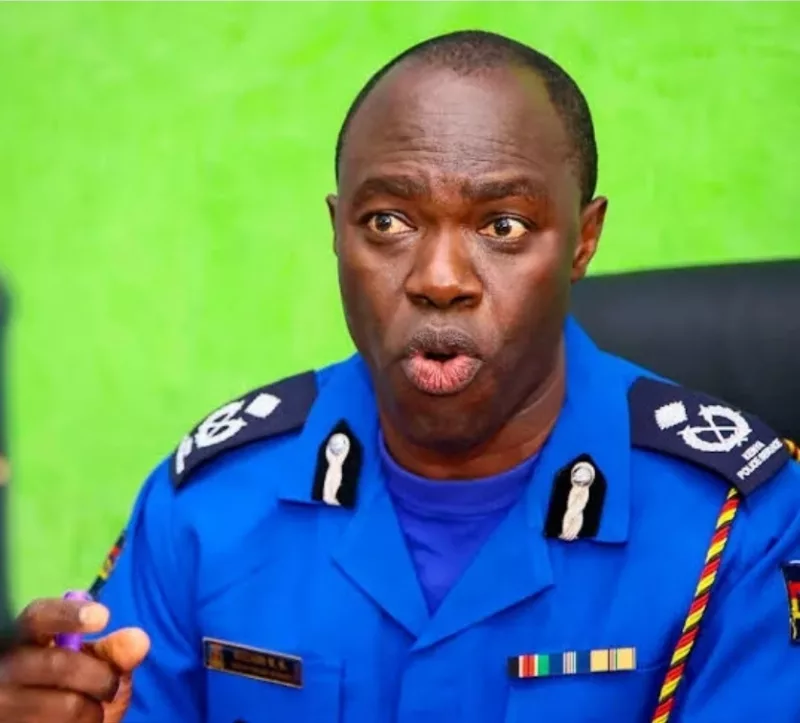
Senior security chiefs, including Inspector General of Police Douglas Kanja, Deputy Inspector General APS Gilbert Masengeli, DCI boss Mohamed Amin, and GSU Commandant Ranson Lolmodooni, were present, underlining the government’s commitment to both security and service delivery.
For residents like Isadin and Yusuf, the impact is already visible.
Documents once out of reach are now accessible within days, and a sense of safety is returning to daily life.
The story of Mandera is steadily shifting, from one of insecurity and neglect to resilience, improved services, and renewed hope.