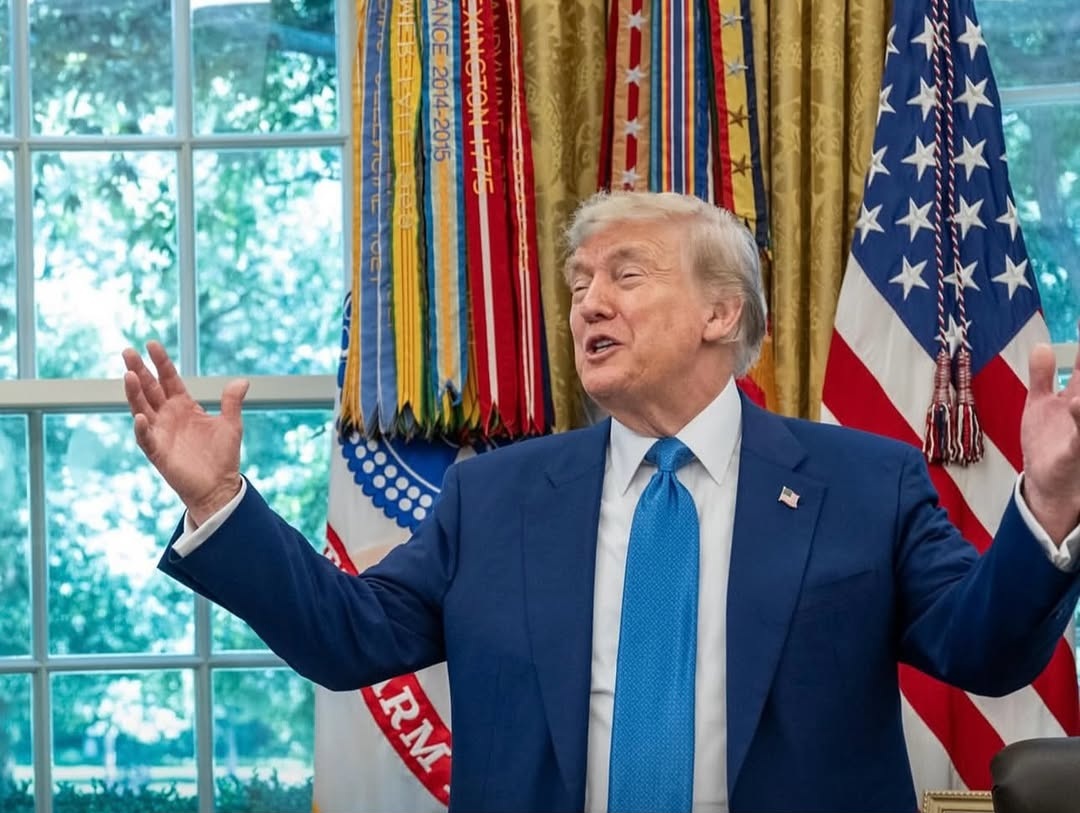
A recent executive order from President Donald Trump introducing a 12.9 million Kenyan shillings annual fee for H-1B visa applications has sparked concern among foreign workers, tech firms, and immigrants—including Kenyans working in the United States.
Here’s what we know, what it means, and how Kenyans might be impacted.
What the Order Says
Advertisement
Advertisement
As of September 21, 2025, a new fee of 12.9 million Kenyan shillings per year will be required for companies applying for or renewing H-1B visas for foreign skilled workers.
The policy aims to restrict the use of H-1B visas to what the administration calls "genuinely high-skilled" roles and to discourage lower-wage foreign workers from filling roles that might be available to U.S. citizens.
In addition, a “Gold Card” visa option has been introduced for wealthy individuals willing to pay 129.2 million Kenyan shillings for a form of permanent residency.
The order is reportedly going to apply only to new applications (not current visa holders or renewals), though there has been confusion around this detail.
Potential Impact for Kenyans
Advertisement
Advertisement
Higher Costs for New Applicants: Kenyans planning to enter the US on H-1B visas will face much higher costs. Whether as employees or employers, the 12.9 million Kenyan shillings fee is a dramatic increase and could render many job opportunities financially unviable.
Reduced Competitiveness in Tech & Skilled Sectors: Many Kenyans in the US tech, engineering, academic, or research fields rely on H-1B visas. Higher fees may discourage companies from sponsoring foreign employees, meaning fewer opportunities for Kenyans abroad to move or stay based on skilled work roles.
Travel & Timing Risks: Because there is ambiguity over whether the fee applies to renewals and current visa holders, some Kenyans may face travel risk. If abroad during implementation and requiring re-entry, there could be complications. Some firms are reportedly advising their H-1B workers to return to the US before deadlines, to avoid being caught outside without clarity.
Wealth & Income Disparity Highlighted: The “Gold Card” option is clearly aimed at the very wealthy. Most Kenyan professionals won’t qualify or afford that route, meaning the new system could deepen the divide between those who can pay for favourable policies vs. those who cannot.
Legal and Administrative Confusion: With statements contradicting each other about whether renewals are included, there will likely be confusion. Some Kenyans may find themselves in limbo, unsure whether their status is secure or if they need to take action.
Donald Trump//Instagram
Comments & Perspectives
Maria, a software engineer from Nairobi currently on H-1B:
“If the fee really applies to new applicants only, that’s slightly reassuring. But what about when I need to renew? I can’t risk being stuck abroad.”
Kevin, who works in research:
“This feels like a barrier not just to coming here, but staying here. Many Kenyans work hard to qualify for these visas; making it expensive may just push them to other countries.”
James Wanjohi, immigration attorney based in the US:
“Legal challenges are almost certain. The fee increase may be challenged as exceeding the authority Congress grants to the executive and agencies over visa fee setting.”
What Kenyans Should Do
Stay informed about the exact implementation date and which visa categories the fee impacts.
For those currently abroad or needing visa renewals, consult an immigration lawyer or employer to determine risk and plan accordingly.
For students who may aim to transition to work visas, explore options now before the policy tightens further.
Monitor changes—legal or administrative—that might clarify whether renewals are affected.