As dawn breaks Gakere Road which cuts through the very heart of Nyeri town, is quiet and calm.
All is serene and orderly with little activity along the 400 metre bituminized stretch dotted with towering business premises and private offices.
But as the sun peeps over the western skies, traffic swells as people rush to work while children run to school. This situation remains so for the better part of the day.
But as the day wears on and sunset beckons, the atmosphere changes, often without notice.
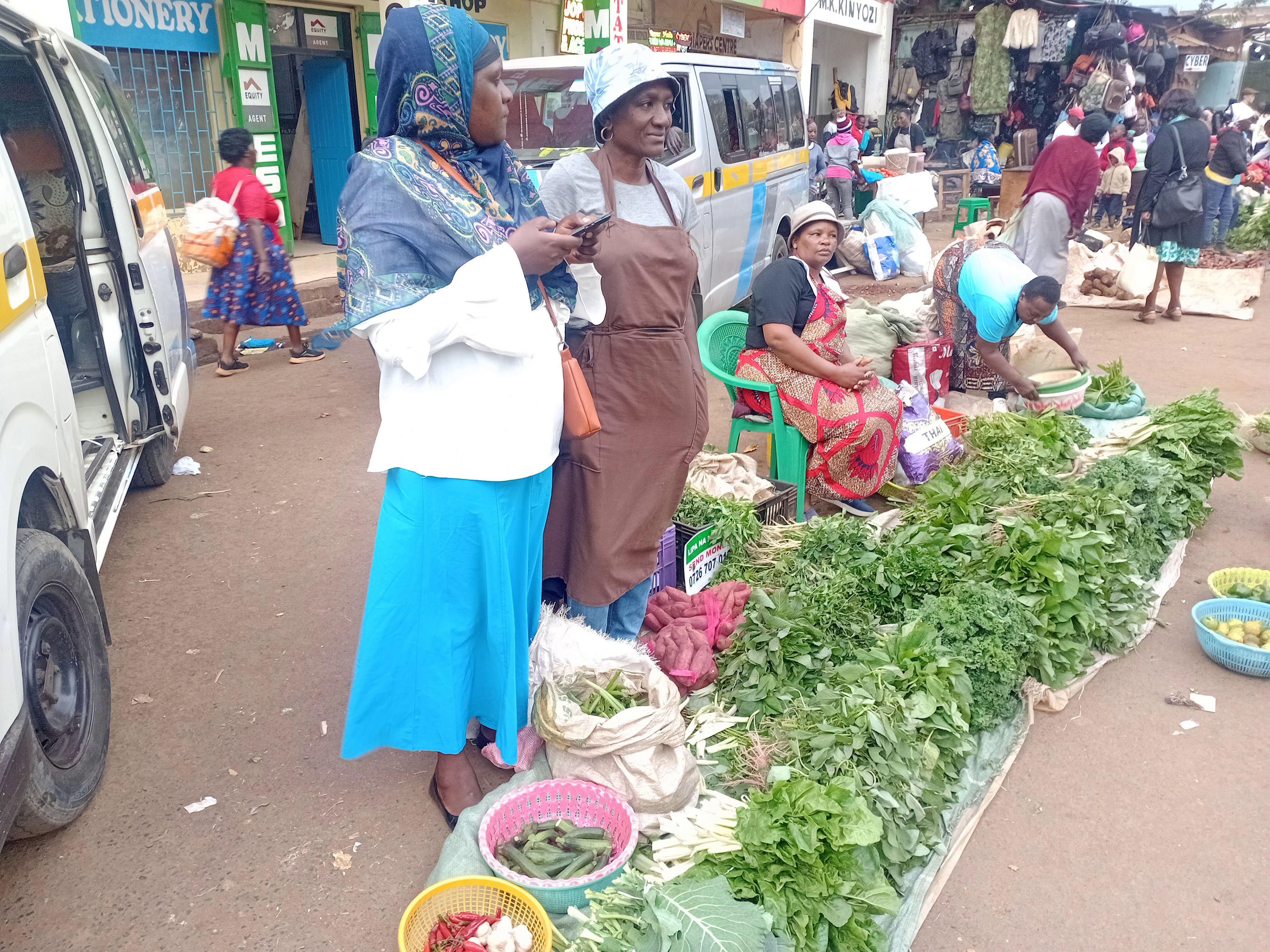
Traders start arriving with loads of their wares and proceed to arrange their merchandise over makeshift stalls along the erstwhile quiet stretch. Quickly, the once quiet street becomes a busy marketplace.
Soon, the air is filled with the din of buyers haggling over prices of dried fish, fresh fruits, vegetables, or second-hand clothes.
The deafening cacophony is only interrupted by the hooting of motorists who must compete with the sea of humanity along the treacherous lane to avert a tragedy.
For people like Elizabeth Wangari, Gakere Road has been her operating zone for the last 14 years. She sells boiled green maize near the main bus park.
This stage has been a bone of contention between the county government and defiant PSV matatu operators after the latter refused to relocate to the Sh600 million Field Marshall Muthoni Kirima park last month.
To Wanjiru, the tug of war between the county government and matatu operators has been a welcome relief for her. She has retained her clients, at least for now.
“This business has helped me pay house rent, feed my children, and even take them to school,” Elizabeth narrates.
“People coming from work regularly stop here to get a bite of my green maize. In addition, those alighting from PSV matatus from the city and other towns also pass by here to get a cob of maize on their way home. This is the reason I prefer this place to remain here rather than move elsewhere.”
But plying a business along Gakere road is not always an easy undertaking for Wangari and other traders, especially during the rainy days.
For her, as long as the wet season lasts, it only spells a dry spell, as many of their regular clients rarely venture here.
“When it rains, customers rarely come here. Sometimes we end up losing everything we had prepared for the day. Be as it may, I cannot leave this road since it is my lifeline,” adds Wangari while busy wrapping a hot maize cob for a customer.
A few meters away, we meet John Mwangi at his wooden stall. Mwangi has been selling cherries, ripe tomatoes, onions and kales for the last three years.
In those years, he has learnt the ropes of wooing potential clients by meticulously arranging his groceries to all and sundry.
Anyone visiting his stall for the first time can tell this is a man who is passionate about what he does.
Besides making money at the end of the day, his trade has opened opportunities for him to make new friends on a daily basis.
“I once tried my hand at selling vegetables at the big market, but soon realised that the competition was too much there. I therefore moved out to try my luck here. Here things finally opened up. My goods now move faster as many people coming from work often stop to buy from us since there is less hassle compared to the open-air market,” he says.
Not far from him is Agatha Muhuhia, who is now celebrating two years of selling fresh fruits along Gakere Road.
Her sprawling wooden table is stacked high with bunches of ripe plantains, oranges and avocados.
Muhuhia says the best part of her day is towards dusk when a sea of humanity literally takes over the dusty street.
She particularly loves the varied shades of colours as men, women, and children jostle for scanty space with matatus and motorcycle riders, each as darkness slowly sets in.
“During morning hours, this road is often quiet, only to erupt into life in the evening as people from all walks of life hurry home from work and other engagements. And in case you have good fruits or vegetables, you will never fail to get a client. This is one of the many reasons that have kept me here.” She explains.
And for dozens of other traders like Muhuhia who ply their goods along this street, Gakere is more than just a dusty and busy street.
It is a goldmine where small-scale business persons eke out their daily bread and save their children from the ignominy of going to bed hungry or missing classes due to lack of school fees.
And as the sun slowly sinks into the western skies, Gakere roadside market will, for now, continue recounting its narrative of survival, hard work, and dreams for a brighter future for those who have found spaces to ply their trade here.