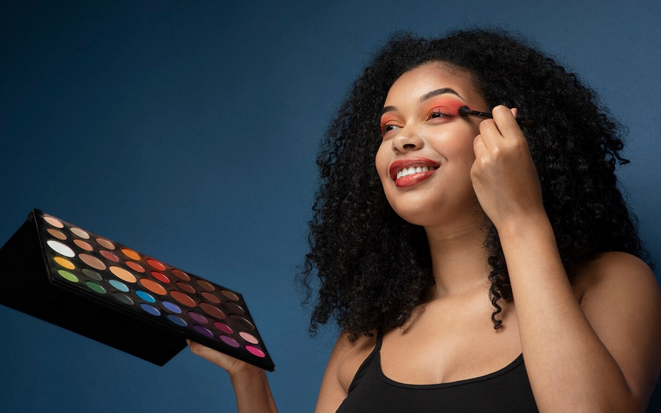
A swipe of lipstick before work. A dab of powder before a night out. A streak of eyeliner framing the eyes.
These seemingly small rituals carry meanings far beyond the reflection staring back in the mirror.
Makeup, whether used to adorn, conceal, or simply play, has long been about more than beauty. It is about identity, confidence and connection.
Every year on September 10, the beauty world pauses to celebrate a ritual as old as human civilisation and as fresh as the latest TikTok tutorial: the art of makeup.
International Make-Up Day is more than just lipsticks, powders and palettes. It is a celebration of creativity, history and self-expression.
A Celebration of artistry and identity
“International Make-Up Day is celebrated annually on September 10, honouring the artistry and creativity involved in makeup application,” explains Dr Johnathan Baker, author of It Is a Holiday Today.
He notes that the day unites professionals and enthusiasts alike, spotlighting the transformative power of cosmetics.
Across social media, the occasion is marked by tutorials, workshops and vibrant online communities showcasing a kaleidoscope of diverse looks.
“It is a platform for individuals to express themselves and connect with others who share a passion for beauty and makeup,” Baker adds.
Global beauty powerhouse Maybelline echoes this sentiment, emphasising that makeup transcends aesthetics.
“For many, makeup is a form of self-expression, undeniably an art form that has won more admirers each year. It helps people feel confident and comfortable in their own skin.”
From crushed berries to contour kits: The history of makeup
Makeup’s history mirrors the evolution of society itself, reflecting social, cultural and spiritual values through the ages.
From ritualistic face paints in ancient civilisations to today’s multi-billion-dollar beauty industry, makeup has always been a tool of transformation and identity.
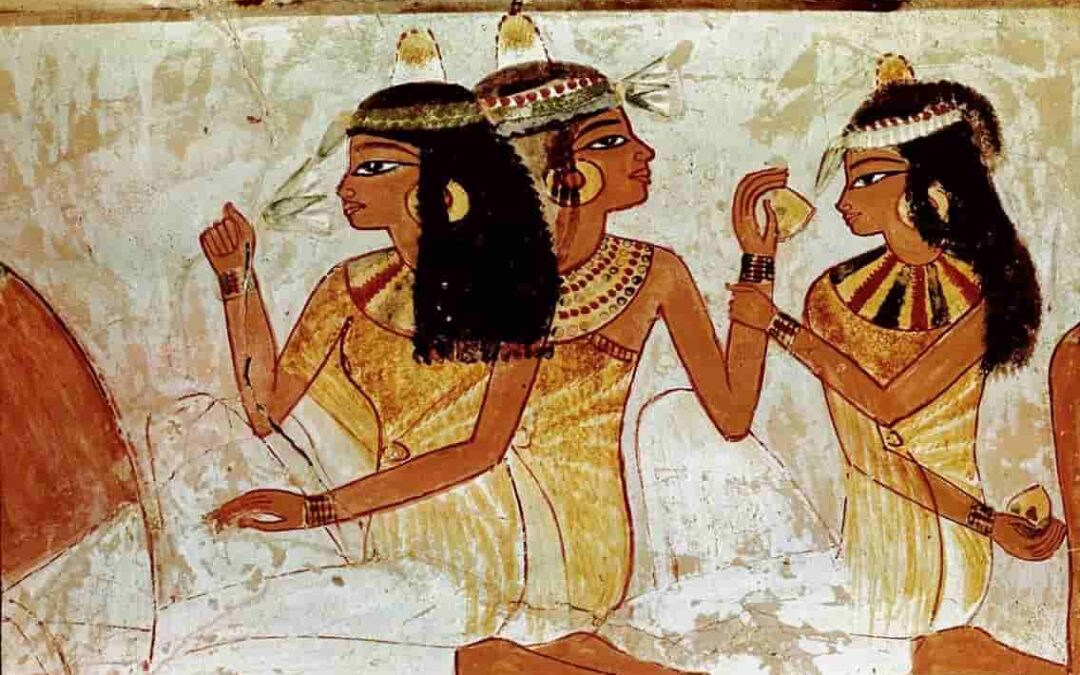
In Ancient Egypt, cosmetics carried both aesthetic and symbolic weight.
Men and women alike lined their eyes with kohl—not only for beauty but to shield against the desert sun and ward off evil spirits.
Green eyeshadow made from malachite, red ochre for lips and cheeks and fragrant oils were part of daily grooming rituals, especially among the elite.
Beauty was intertwined with holiness, with cosmetics even buried alongside the dead to aid their journey in the afterlife.
Moving westward, the Greeks and Romans prized a natural look, where pale skin symbolised nobility and leisure, as it suggested one did not labour under the sun.
Women lightened their complexions with white lead and chalk, substances later revealed to be dangerously toxic.
Rouge for cheeks, eye enhancements from ash or soot, and early skin treatments were commonplace.
Yet, attitudes toward beauty were complex; vanity was sometimes criticised in literature and philosophy, even as elaborate beauty routines flourished.
The Middle Ages brought a shift.
Influenced by Christian doctrine, overt makeup use was condemned as sinful and deceitful.
Despite this, women pursued pale skin through various remedies, some containing harmful mercury.
Rosy cheeks and lips were acceptable only if they appeared naturally flushed; anything more was met with suspicion.
The Renaissance and Baroque periods saw a return to ornate beauty practices, especially among the European aristocracy.
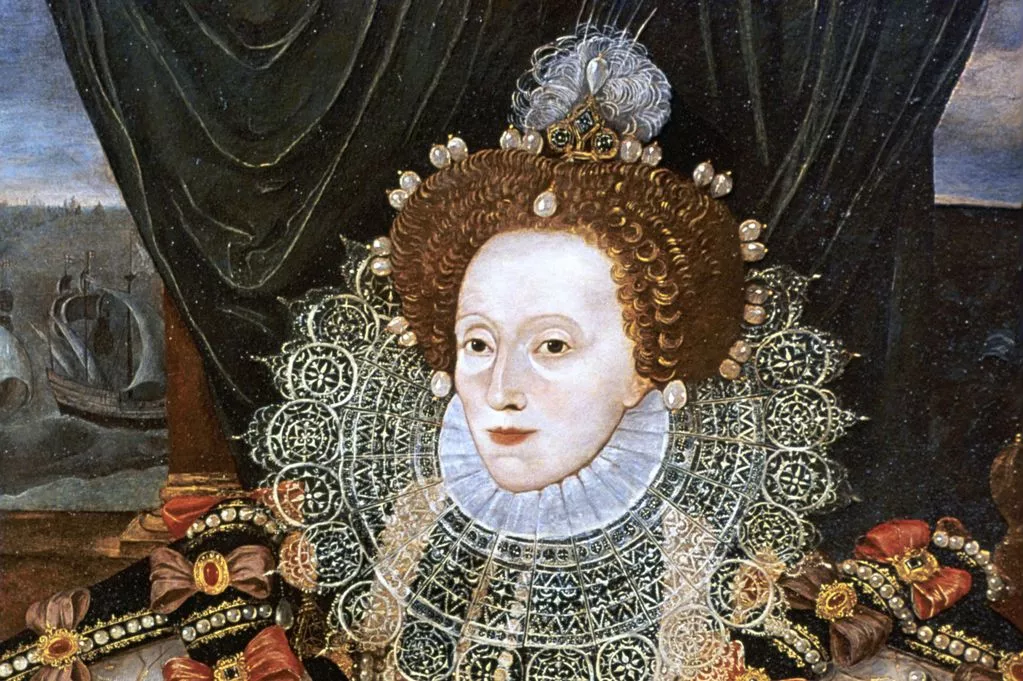
Queen Elizabeth I famously wore a “mask of youth”, which was a thick, white lead-based foundation.
Rouge and lip stains were applied liberally, and both men and women plucked eyebrows, wore fake beauty marks and powdered their faces and wigs.
Makeup became a marker of social class and sophistication, but also excess.
In 18th-century France, especially at the court of Louis XVI, makeup became extravagantly theatrical.
Yet after the French Revolution, such ostentation fell out of favour, as makeup came to symbolise aristocratic decadence.
Many women adopted a more modest, natural look.
By the Victorian era, cosmetics again carried social stigma, particularly in Britain. Public morality linked makeup with actresses and prostitutes.
Yet women quietly used homemade remedies, including beet juice for colour, rice powder for whitening and vinegar rinses for bright eyes.
However, the ideal woman was naturally radiant, seemingly untouched by vanity.
The 20th century marked a radical transformation.
Cinema’s rise made stars like Clara Bow and Greta Garbo makeup icons.
Brands like Max Factor, Maybelline and Revlon commercialised cosmetics, making them accessible to many.
The 1920s embraced bold red lips, dark eyes, and bobbed hair, symbols of liberation and modernity, epitomised by the “flapper” look.
Through the decades, makeup trends shifted with culture.
The 1950s glamorised femininity with winged eyeliner and red lips inspired by Marilyn Monroe.
The 1960s favoured mod looks, pale lips, heavy mascara, graphic eyes, where icons like Twiggy set the tone.
The 1970s moved toward natural beauty with bronzed skin and earthy tones.
The 1980s saw a return to bold colours and dramatic blush, symbolising the rise of the “power woman.”
The 1990s brought subdued matte finishes and grunge-inspired looks, while the 2000s experimented with frosted eyeshadow, skinny brows and glossy lips, which were both youthful and playful.
The 2010s and beyond have arguably been the most diverse era in makeup history, shaped by social media and beauty influencers.
Contouring, highlighting, and full-coverage foundations have redefined everyday beauty.
At the same time, there is a powerful shift toward natural, skin-first makeup and cruelty-free products.
Inclusivity has become central. Brands now offer foundations in dozens of shades to embrace the full spectrum of skin tones.
Makeup is no longer confined by gender norms; people of all identities use cosmetics to express, perform and empower themselves.
International Make-Up Day: A timeline of celebration
First observed in 2004, International Make-Up Day emerged from the cosmetics industry to spotlight beauty culture.
By 2010, social media campaigns propelled the hashtag into global trends. In 2012, brands partnered with charities, dedicating proceeds to causes.
The rise of beauty influencers in 2015 transformed the day into a showcase of signature looks.
By 2018, celebrations expanded worldwide with in-store events, workshops, and online promotions.
More than skin deep
Though rooted in commerce, International Make-Up Day has blossomed into a cultural celebration of empowerment and inclusivity.
Cosmetics now transcend skin tone and gender, with every brushstroke reflecting a personal story, from high-glam contouring to bare-skin minimalism.
In celebrating lipstick, legacy and self-love, International Make-Up Day reminds us that while trends ebb and flow, the act of adorning ourselves is a ritual deeply embedded in human history- one that continues to evolve with each stroke of the brush.