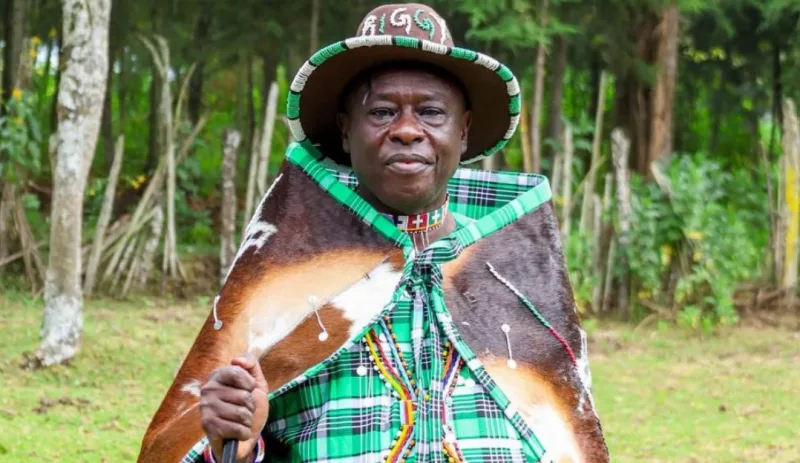
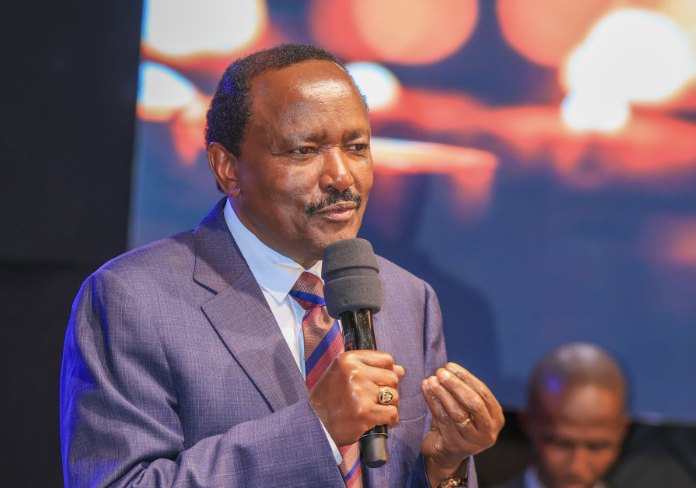
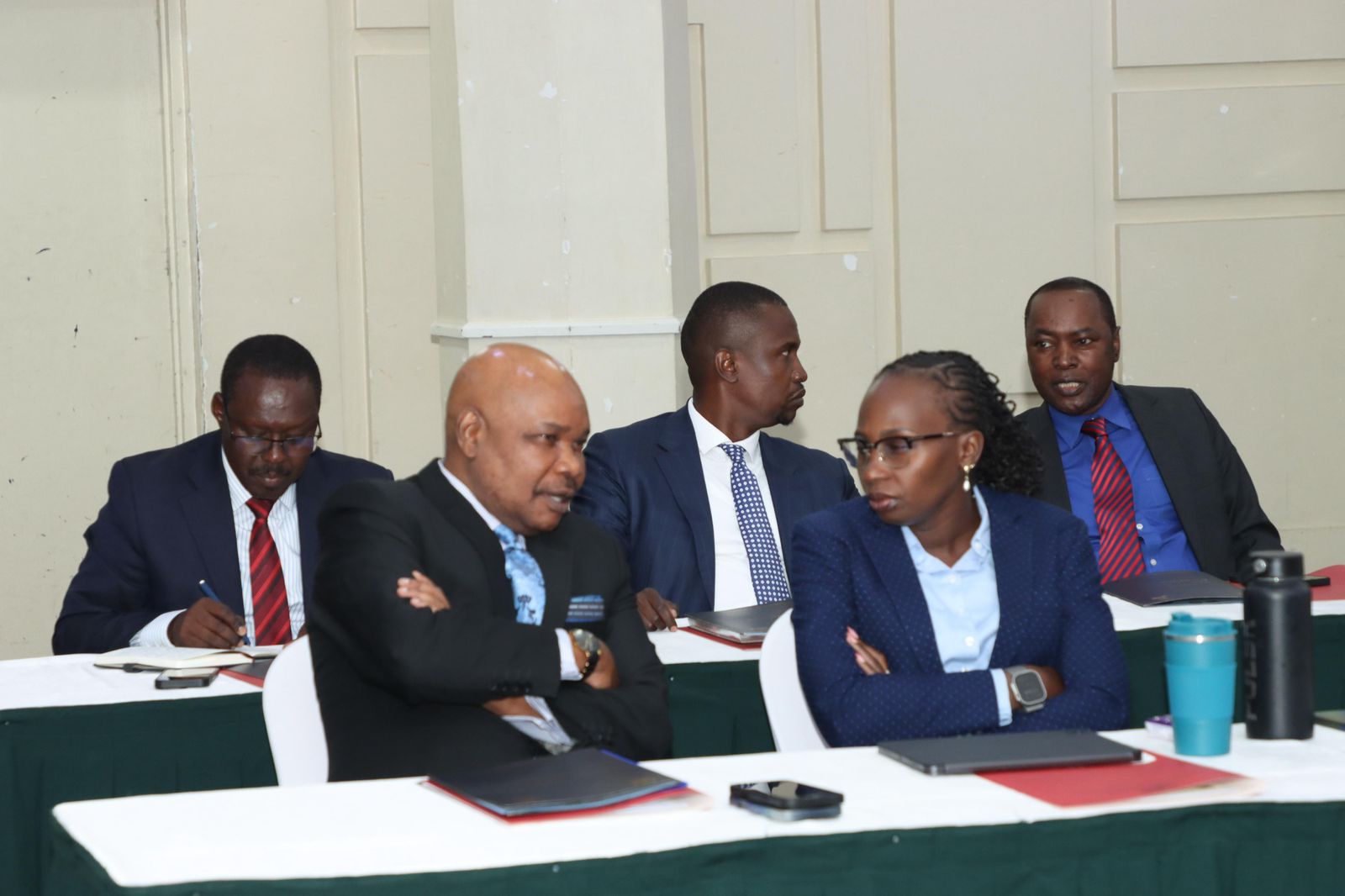
 The Panel of Experts on Compensation of Victims of Protests and Riots chairperson Prof Makau Mutua and vice chairperson Faith Odhiambo have a word after taking an oath at the KICC ahead of their work, September 4, 2025. /HANDOUT
The Compensation Panel mandated to handle claims by victims of demonstrations, protests and riots has officially begun its work after being sworn in on Thursday.
The 18-member team chaired by Prof Makau Mutua brings together representatives from government, civil society, human rights bodies, and the private sector.
It was gazetted on August 25 following a presidential proclamation earlier in the month.
The panel, sworn in at the Kenyatta International Convention Centre by Chief Registrar of the Judiciary Winfridah Mokaya, will be supported by a 13-member technical team of experts.
Their mandate is to oversee and guide the implementation of a national compensation framework for victims.
Over the next four months, the committee will design and operationalise a framework to verify, categorise and compensate victims, while engaging families, state agencies, civil society and religious institutions to ensure fairness and inclusivity.
It will also access and authenticate information from key bodies such as the Independent Policing Oversight Authority (Ipoa), the Kenya National Commission on Human Rights (KNCHR), the National Police Service, and the Ministry of Health.
Where evidence warrants, the panel may recommend prosecutions or other accountability measures to the Office of the Director of Public Prosecutions (ODPP) and relevant oversight agencies.
It also has the authority to summon individuals and institutions to provide information, co-opt technical experts, and propose legislative and institutional reforms on policing and management of protests.
Progress reports will be submitted to the president, culminating in a final report at the end of its 120-day tenure.
During its inaugural sitting, families of victims urged the panel to uphold transparency and fairness while also requesting psychosocial support to help them deal with trauma and stress.
“The panel is committed to an inclusive process grounded in human rights and the rule of law. Its work will address legal obligations and the social, economic and cultural impacts borne by victims and their families—aimed at restoring dignity, promoting reconciliation, and supporting long-term societal healing,” Prof Mutua said.
Chief Registrar Mokaya reminded the panel that although no amount of money could compensate for lost lives, the pain and suffering of families could not be ignored.
She challenged members to anchor their work in law and propose sustainable reforms to address the root causes of violent protests.
Vice Chairperson Faith Odhiambo pledged her commitment to the process, stressing that the panel’s task is unprecedented yet long overdue.
She noted that her personal interactions with victims have underscored the need for holistic justice, which goes beyond prosecuting perpetrators to ensuring victims and their families are not forgotten.