The Committee on Implementation Oversight and Coordination (CIOC) has moved into the second day of its nationwide inspection tour aimed at evaluating conditions in correctional facilities across the country.
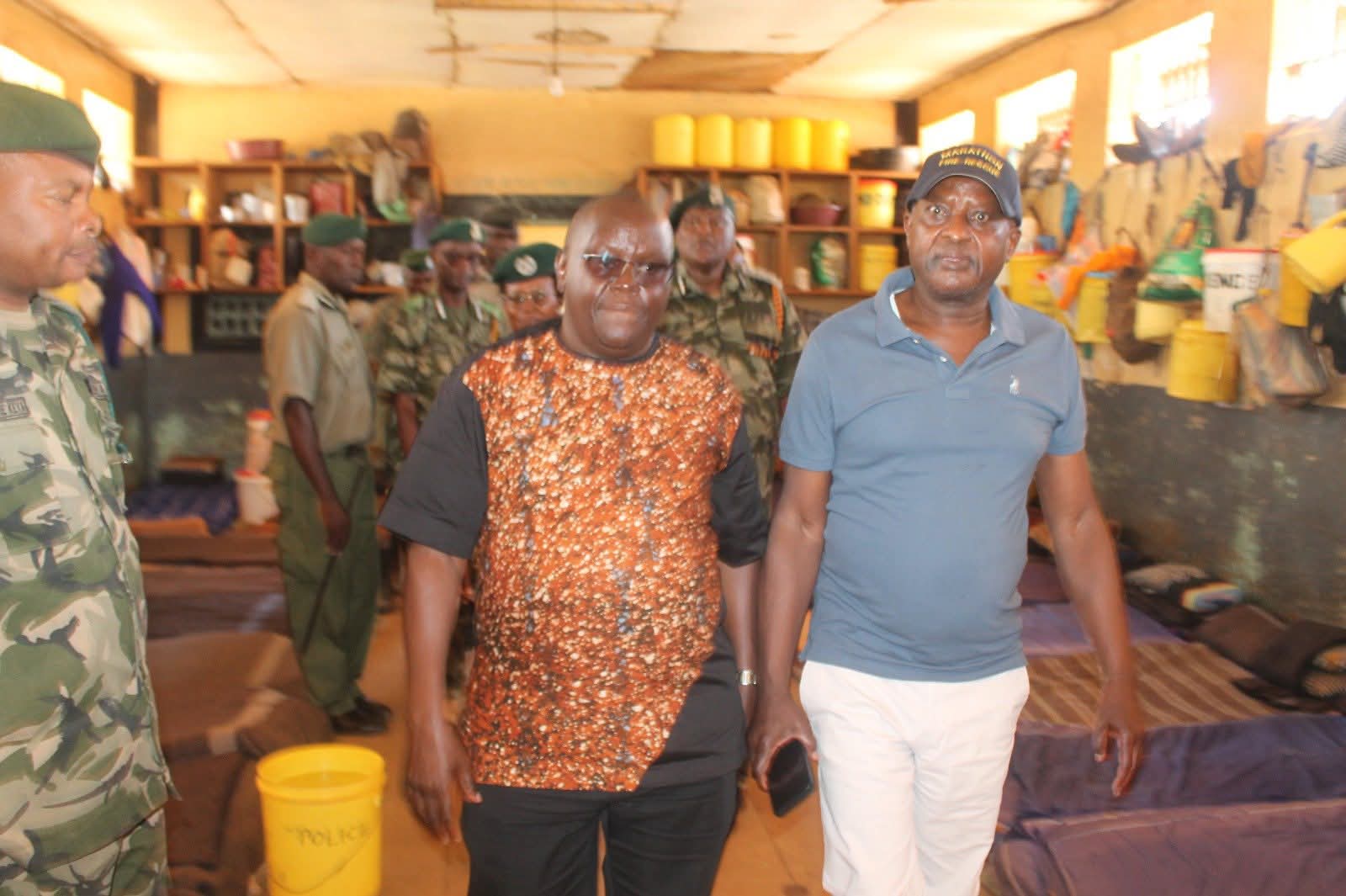
A delegation led by Nambale MP Geoffrey Mulanya and Patrick Osero (Borabu) on Tuesday visited a prison in Kakamega county, where they held discussions with inmates and prison officials.
During the visit, the lawmakers uncovered widespread systemic challenges affecting correctional institutions.
Key among them was the state of ageing infrastructure, with many facilities dating back to the colonial era.
The committee noted that the old buildings, marked by overcrowding and poor ventilation, are contributing to declining living standards and increasing health risks among inmates.
Sanitation was flagged as a critical concern, with several prisons grappling with broken or stalled sewer systems.
“These facilities must go beyond containment and truly serve as centres for rehabilitation. Without proper training facilities and modern equipment, we are setting inmates up for failure upon release,” Osero said.
Lawmakers warned that exposure to raw sewage heightens the risk of waterborne diseases such as cholera and typhoid.
Limited access to clean water and inadequate sanitation facilities were also reported to affect a large number of inmates nationwide.
Security gaps were also highlighted, particularly due to poorly maintained or missing perimeter walls.
In some prisons, the absence of modern fencing and surveillance systems has increased the risk of escapes and unauthorised access, posing threats to both institutional order and public safety.
The delegation further pointed to inefficiencies in farm prisons, which are meant to support rehabilitation and self-sufficiency.
A lack of proper storage facilities has led to food wastage and contamination, ultimately affecting inmates’ nutrition.
Rehabilitation programmes were found to be under strain due to outdated training equipment and limited workshop space.
The committee observed that without modern vocational tools, inmates are unable to acquire practical skills necessary for reintegration into society.
Overcrowding was also cited as a major obstacle, shifting focus from rehabilitation to mere containment.
Inmates proposed several measures to improve conditions, including expanding facilities to support vocational training, formal education, and religious programmes.
They also called for the establishment of human rights desks staffed by trained officers and the introduction of accessible grievance-handling mechanisms.
Other suggestions included the construction of isolation units for vulnerable groups such as the elderly and terminally ill, as well as the introduction of remote parenting programmes to help inmates maintain family ties.
Inmates further urged the government to increase funding for welfare services, including access to communication devices and airtime.
Healthcare challenges were also raised, with calls for all correctional facilities to be equipped with inpatient units capable of handling emergencies, especially at night.
Committee members acknowledged the concerns and proposals, noting that they would inform their final recommendations.
They also emphasised the need to modernise the prison system through technology, including virtual court sessions, electronic case management, and improved medical equipment.
Among the proposals under consideration are infrastructure upgrades, improved training workshops, drilling of boreholes to cut water costs, and rehabilitation of ageing plumbing systems.
The CIOC committee is expected to continue its inspection tour in other regions as it works toward compiling a comprehensive report aimed at driving reforms in the country’s correctional system.