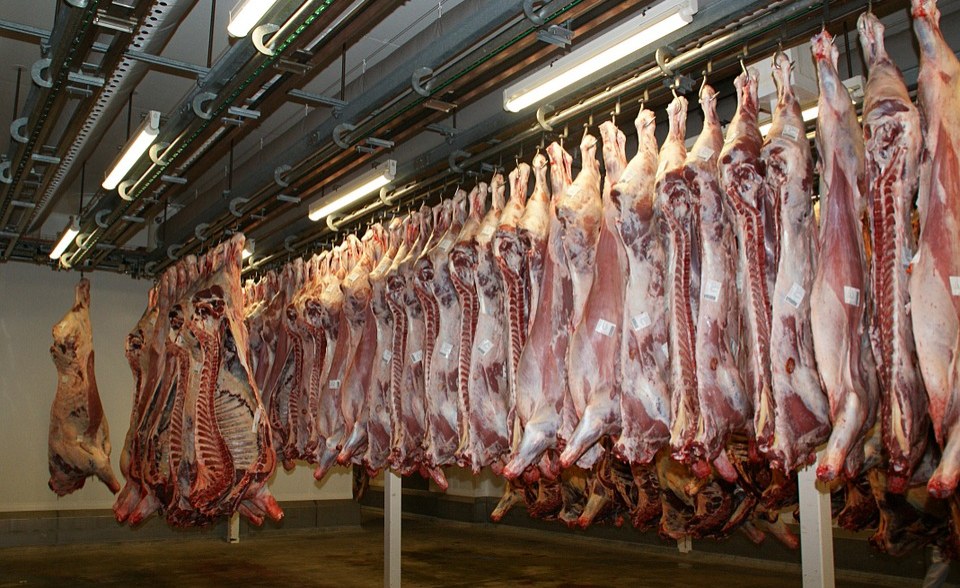
The Auditor General has raised serious concerns about the financial health of the Kenya Meat Commission (KMC) after its profits nosedived from a Sh180 million surplus to a Sh365 million loss in just one year.
In a new report for the financial year ending June 2024, Auditor General Nancy Gathungu paints a picture of an institution on the precipice, as its sales revenue collapsed by over Sh1 billion.
KMC's books of accounts were also wrought with massive unsupported balances, unresolved multi-billion shilling government loans and questionable land ownership.
The findings are a contrast to the state corporation, which had been placed on a path to profitability after the changes that were instigated by former President Uhuru Kenyatta.
Uhuru, in a radical restructuring move in 2020, handed over the management of the struggling KMC to the Kenya Defence Forces (KDF).
His administration cited a bid to revitalise it and secure a steady supply of quality meat for the military and other government agencies.
However, the latest audit lifts the lid on how the turnaround may have been short-lived.
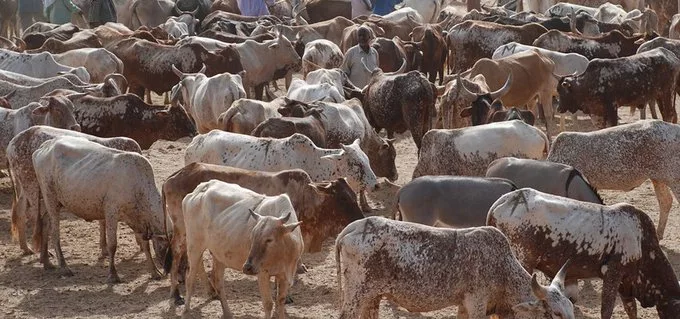
Management attributed the disastrous 38 per cent drop in sales to prolonged drought affecting cattle quality and availability, and delayed payments from government institutions.
“Management attributed the decline in sales to climate change, which caused prolonged drought affecting the quality and availability of cattle,” the report reads.
They further cited a change of payment period from 72 hours to 30 days as hurting cash flow.
“In the circumstances, the profitability of the Kenya Meat Commission is dependent on government support in the short term,” Gathungu said.
Gathungu’s report highlights several critical issues that she says prevented her from giving the state meat processor’s accounts a clean bill of health.
KMC reported an unsupported balance of Sh39.8 million in declared cash and bank balances.
The amounts, including funds in an M-Pesa account, could not be verified due to a lack of supporting bank statements and documentation.
Also flagged was a disputed national debt. Whereas the National Treasury’s records showed that KMC owed Sh977 million in loans, the commission reported it owed Sh365 million.
The National Treasury had previously directed KMC to formally recognise a massive debt of Sh1.66 billion and provide a repayment plan, which management has failed to do.
Land ownership woes have also been flagged after auditors established that property valued at Sh17.5 billion had significant irregularities.
A parcel of land in Kwale worth Sh616 million had no title deed. Gathungu also took issue with the encroachment into “the valuable sheep and goat ranch (valued at Sh8 billion).
The farm, the audit report shows, has been encroached upon by informal settlers, with court cases over its ownership still active.
The auditor was further alarmed by uncollected debts. The commission is owed Sh692 million in receivables, with Sh539 million of the amount overdue for more than 90 days from various government agencies.
Furthermore, a tenant in a KMC house at Riverside Estate owes Sh13 million in accrued rent yet still occupies the premises. Gathungu was concerned that there was no evidence of efforts to recover the debts from the tenant.
Another Sh15 million was due from active tenants and Sh1 million from others who had vacated the commission’s various rental assets.
“The full recoverability of the outstanding receivables balance of Sh629 million could not be confirmed.”
The meat processor also owed Sh19 million, which the audit established had been outstanding for over a year.
“Management was in breach of the law and there is risk of loss of public funds through litigation, interests and penalties,” Gathungu said.
In a separate finding, the audit revealed that 79 KMC employees had their salaries slashed below the third's legal threshold.
At least 79 employees received net pay falling to less than one-third of their basic salary, a direct violation of the Employment Act.
The auditor concludes that the future of the commission is uncertain, with its profitability "dependent on government support in the short term."
INSTANT ANALYSIS
The findings present a significant challenge to the President William Ruto administration. The current administration could be forced to confront the circumstances staging the steep decline. Among the first strategies in the works already is to convert it into a company to pave the way for its privatisation.