
For many women, getting their nails done is a form of therapy. It is important for them to feel both pretty and safe, and in the world of beauty and fashion, a simple manicure has long been a way to express this style and personality.
For many, gel nail polish is the top choice, thanks to its long-lasting, glossy finish.
However, a recent and significant change in Europe is casting a shadow over this popular beauty treatment.
As of 1st September, a specific type of gel polish has been completely banned across all European Union countries. The reason is a single chemical ingredient that has been flagged for its potential health risks.
This ban raises important questions. Why is a product deemed too dangerous for European consumers still being widely used in other parts of the world, including here in Kenya?
The Chemical Behind the Controversy
The chemical at the centre of this ban is called TPO, or trimethylbenzoyl diphenylphosphine oxide. It is a vital component in many gel polish formulations.
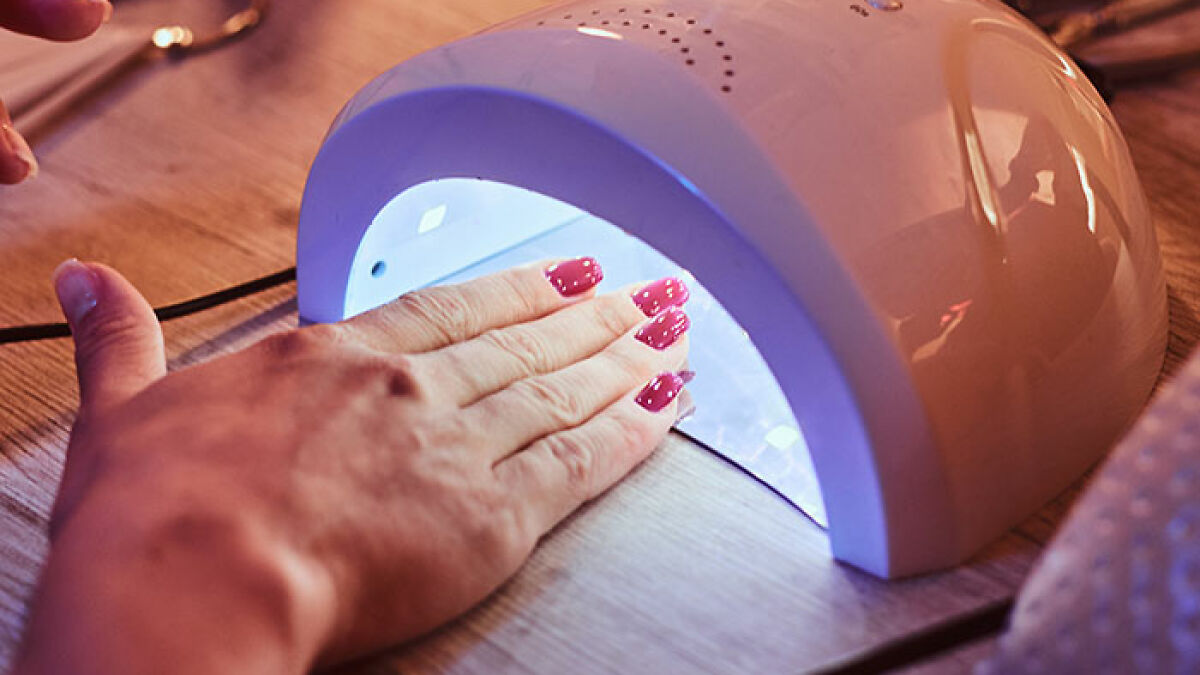
Its job is to ensure the polish hardens quickly and gives that signature, glass-like shine when exposed to UV or LED light. Without TPO, the process would take much longer, making quick manicures impossible.
According to Fox News, European regulators have reclassified TPO as a “Category 1B CMR substance.”
READ ALSO: How to look beautiful naturally without makeup
This is a serious label, meaning it has been identified as a possible carcinogen and is toxic to reproduction.
“The EU's decision is a 'precautionary move' rather than a response to strong human evidence,” says dermatologist Dr. Hannah Kopelman.
The decision was not made lightly. Research, though largely based on animal studies, has linked TPO to a range of worrying health issues. It is believed to affect the endocrine system, which regulates hormones, and has been associated with conditions such as endometriosis and infertility.
While direct human evidence is still limited, the EU has adopted a ‘better safe than sorry’ approach to protect its citizens.
The Problem with a Global Market
In Europe, the ban has had immediate and drastic consequences. Nail salons were forced to remove all products containing TPO from their shelves.
This has led many brands to quickly reformulate their polishes, using safer alternatives such as BAPO, TPO-L, or methyl benzoylformate.
However, the ban only applies to the European Union. In other countries, including the US and Kenya, products with TPO are still readily available and widely used.
ALSO READ: Kenyan creatives revolutionizing the make-up industry forever
This creates a situation where consumers in different parts of the world face different levels of health risks from the same beauty product.
In places where regulations are less stringent or where awareness of the dangers is lacking, the chemical remains in circulation.
It can be found in products used in salons and those sold for home use.
For consumers in Kenya, where the ban is not yet in effect, this news serves as a wake-up call, prompting them to scrutinize the ingredients in the products they use and inquire about the chemicals in their nail polishes from their nail technicians.