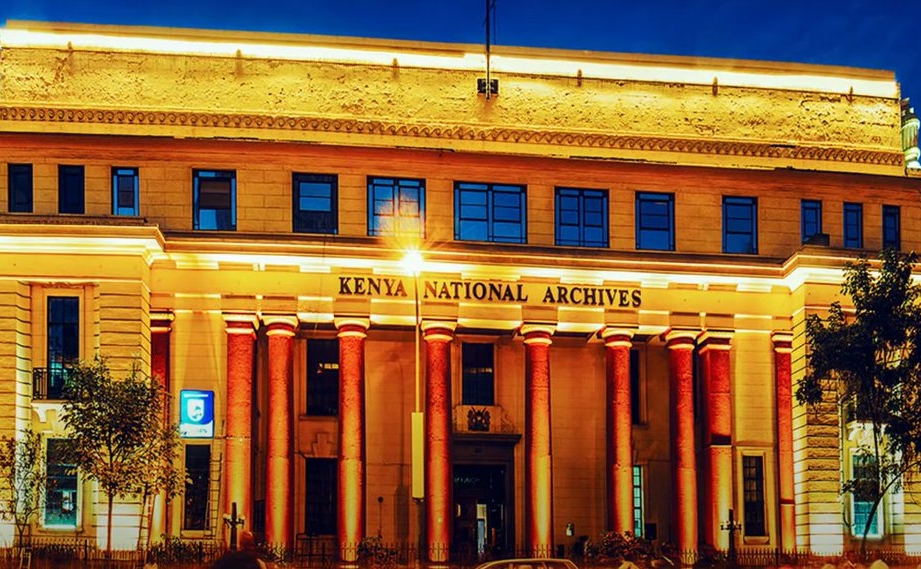
In the heart of Nairobi's central business district, at the junction of Moi Avenue and Tom Mboya Street, stands one of Kenya’s most recognizable landmarks—the Kenya National Archives and Documentation Service (KNADS).
For decades, its bold sign has greeted millions of passersby. Yet behind its walls lies much more than a city landmark: it is the custodian of Kenya’s history, identity, and collective memory.
The Birth of the Archives
The Kenya National Archives was established in 1965, just two years after independence. The new government inherited a vast collection of records from the British colonial administration, including official correspondence, maps, and reports.

Recognizing the importance of these documents, the government created the Archives to safeguard them as a national heritage institution.
Its mandate was to collect, preserve, and provide access to records of enduring value for governance, scholarship, and public identity.
Growth and Collections
Over the decades, KNADS has become one of Africa’s most significant archival institutions, holding more than 40,000 volumes of records. Its collections are varied and include:
Government records: speeches, parliamentary proceedings, and reports.
Colonial-era archives: material on land policies and the Mau Mau uprising.

Audio-visual records: films, oral histories, and sound recordings.
Photographic collections: images of key leaders and historical events.
One of its most celebrated sections is the Murumbi Gallery, named after Joseph Murumbi, Kenya’s second Vice President. A passionate collector of African art, Murumbi donated his extraordinary collection of paintings, sculptures, and textiles. Today, the gallery is a cultural jewel, attracting scholars and tourists.
The Building and Its Symbolism
The Archives is housed in a colonial-era building that was once the Bank of India.Its location in the city centre has made it not just a research hub but also a social landmark.
Challenges Over the Years
Despite its significance, KNADS has faced persistent challenges. Funding constraints have limited its ability to digitise fragile materials, and preservation technology has lagged behind global standards.
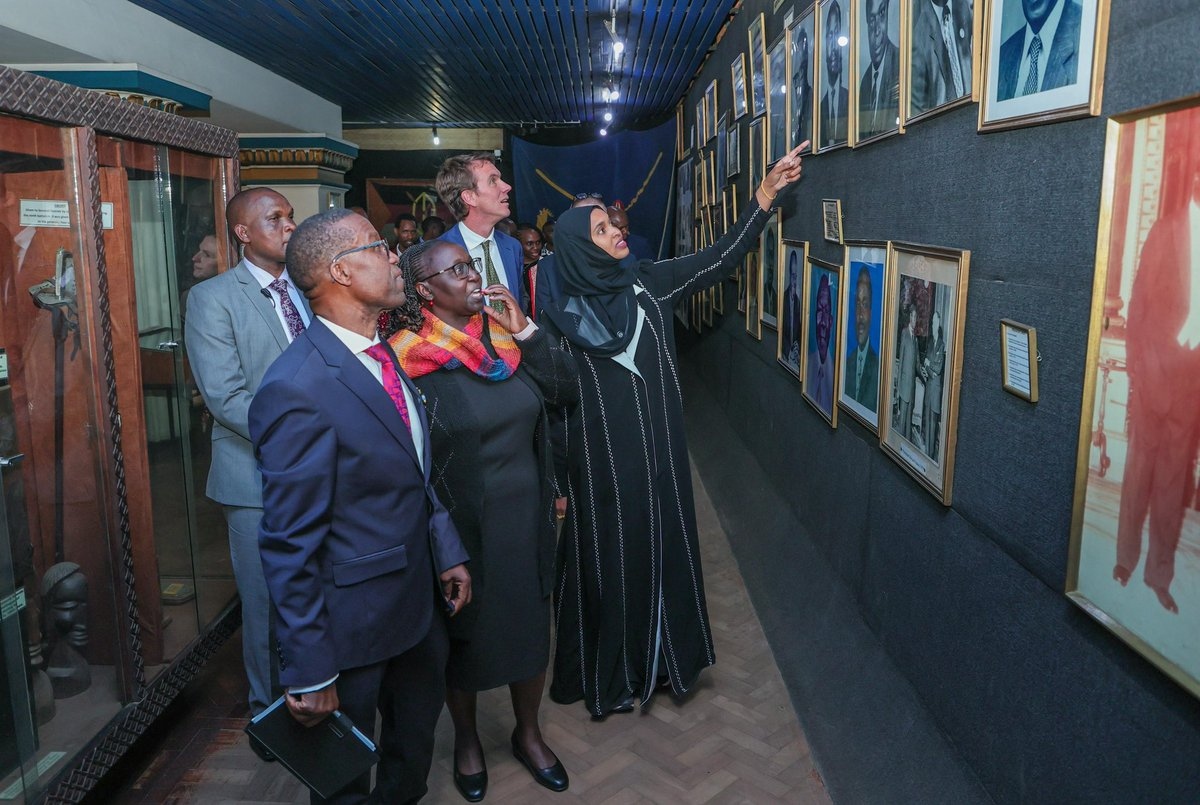
Still, through partnerships with organisations like UNESCO, the Archives has managed to modernise parts of its collection and expand its accessibility. Its staff continue to balance open public access with the protection of sensitive government records.
ALSO READ: The End of an Era: Nairobi's National Archives is Moving
In recent years, the government announced plans to relocate the Kenya National Archives from its iconic CBD building to a larger, modern facility outside the congested city centre.
Authorities argue that the move is necessary to improve storage conditions and accommodate growing collections.

However, the announcement has sparked mixed reactions. Supporters welcome the idea of better facilities, while critics fear that relocating the Archives will strip Nairobi of one of its most defining landmarks. For many Kenyans, the building itself has become symbolic of national memory.
Why the Archives Matter
For young Kenyans, the Archives may seem old-fashioned. But it remains deeply relevant. It safeguards the “receipts” of Kenya’s journey: colonial land maps, liberation pamphlets, and priceless African art.In a world where information vanishes in seconds, the Kenya National Archives stands as a reminder that memory matters.
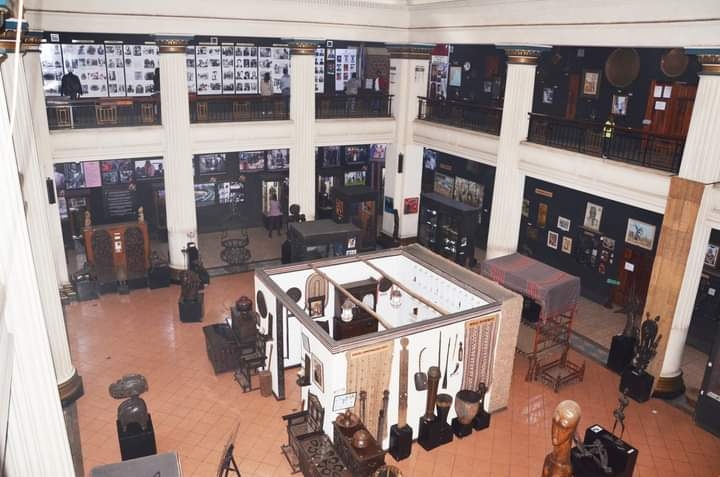
It is a bridge between past and present, proof that Kenya’s story is not just told in monuments, but in the carefully preserved documents and artifacts of a people determined never to forget.