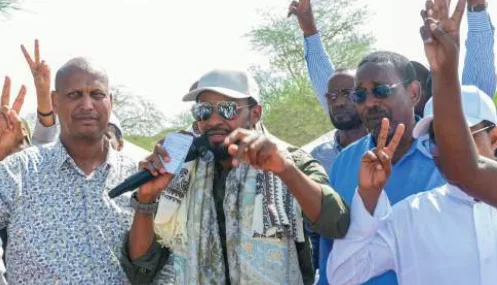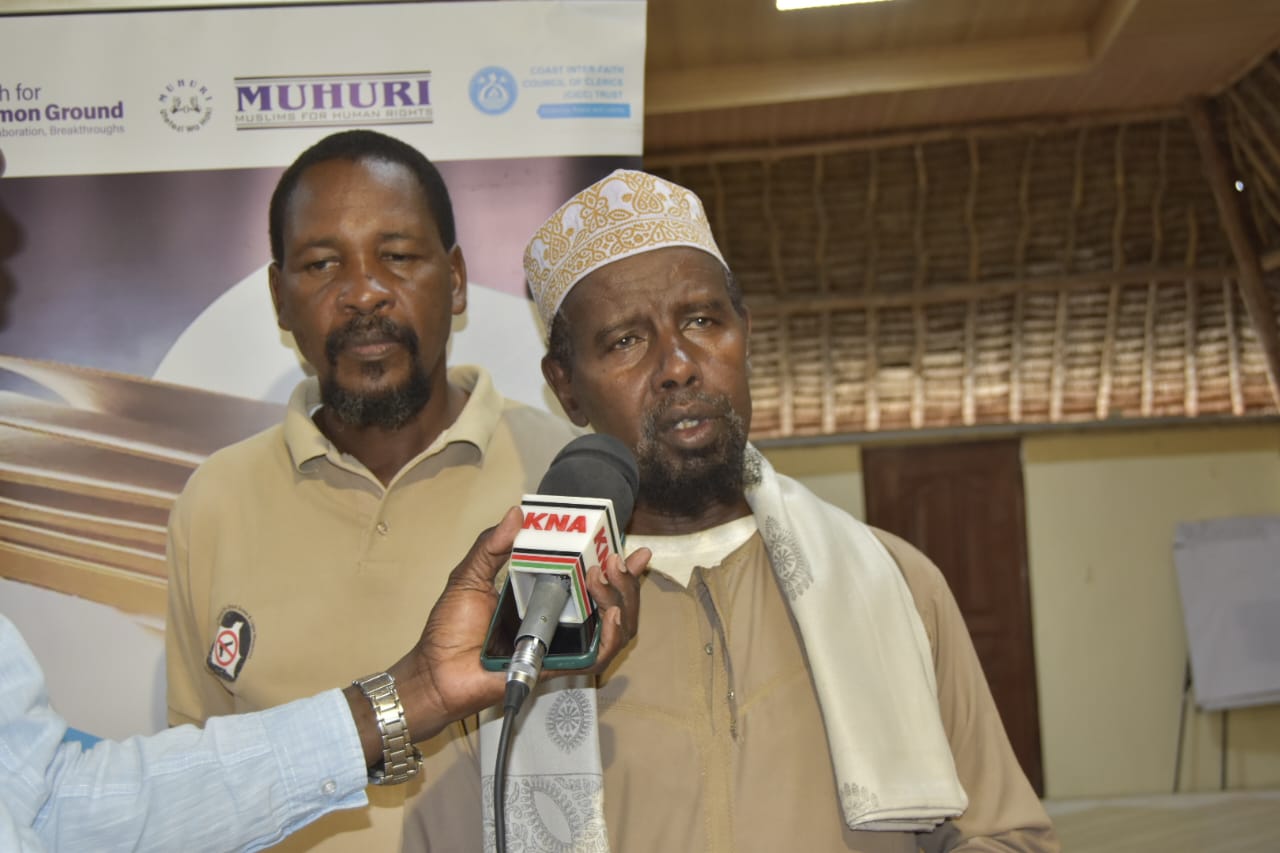
A five-year interfaith peacebuilding programme in Garissa has been praised for breaking down religious barriers and promoting peaceful coexistence.
The initiative, run by the Joint
Initiative for Strategic Religious Action (Jisra) and implemented by Muhuri in
Garissa and coastal counties, targeted communities where religious and
ideological divisions threatened harmony. Its goals included strengthening
interfaith dialogue, empowering youth and women in civic processes, countering
extremism and expanding inclusive participation.
Garissa has long been affected by
al-Shabaab-related insecurity. Officials say the programme has not only
improved relations among faith groups but also enhanced overall security.
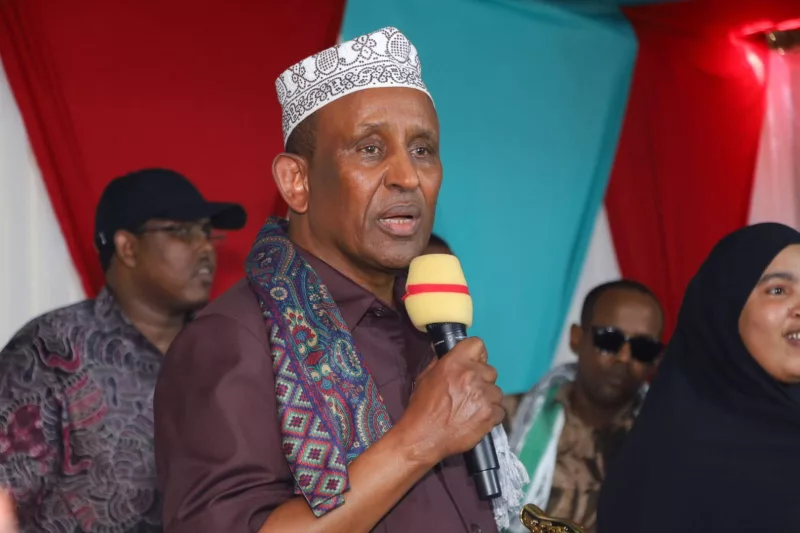
County commissioner Mohamed Mwabudzo praised the initiative for bringing together security agencies, mosques, churches, temples and youth groups.
“Through this programme, different faiths and traditions have found one shared truth: peace, dignity and love are universal,” he said. “This collaboration has contributed greatly to the peace and security we enjoy today.”
Mwabudzo urged NGOs to prioritise
youth-focused peace initiatives ahead of the 2027 elections, warning that
tensions often rise during the election period.
Pastor Lazarus Katiso said Jisra helped dissolve mutual suspicion between Christians and Muslims, which had
peaked during past al-Shabaab attacks.
“Christians blamed Muslims for the
violence, while Muslims accused security forces of targeting them because of
their faith,” he said. “Through dialogue, we realised we are all brothers
and sisters with one enemy — al Shabaab.”
Sheikh Omar Abdifatar said the programme broke long-held taboos:
“It was once unthinkable for Muslims to enter a church or Christians to step
into a mosque. Today, we invite each other freely and this has strengthened
our bond.”
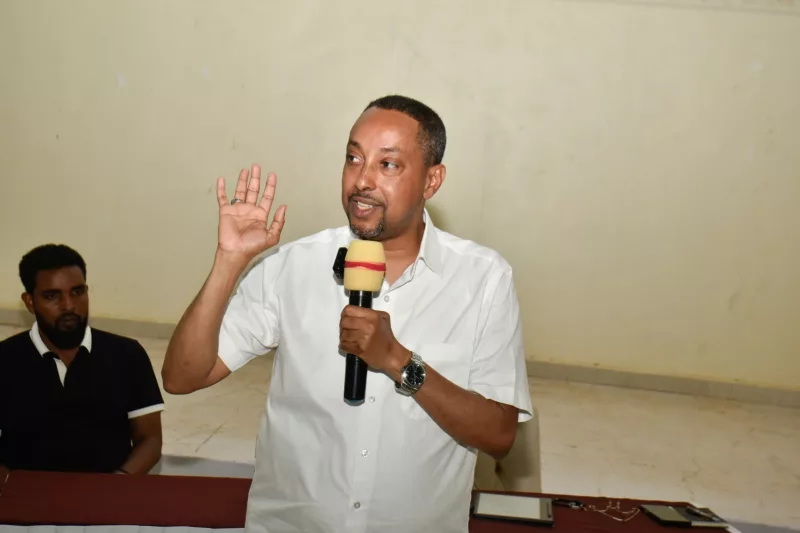
Muhuri Garissa coordinator Abdihakim Shurie credited community leaders, youth, women, government officials and the media for the programme’s success.
“We are not sad it’s ending,” he said. “The impact it has made will continue to inspire lasting peace in Garissa.”