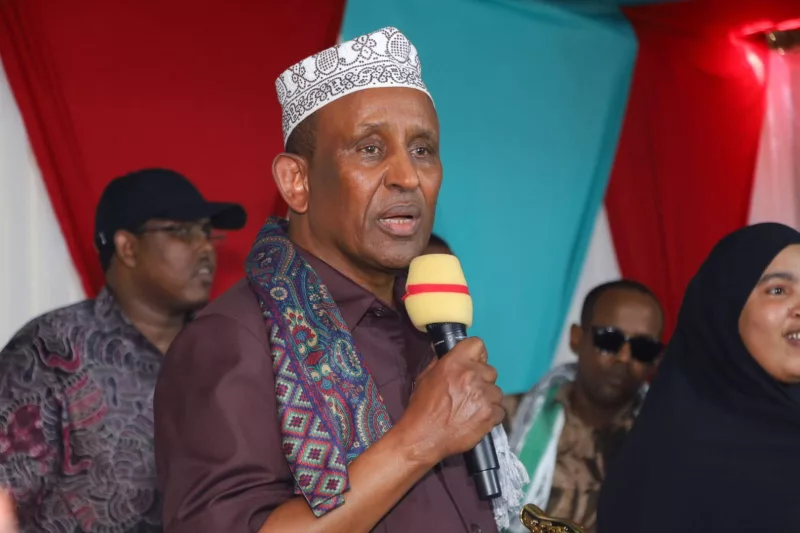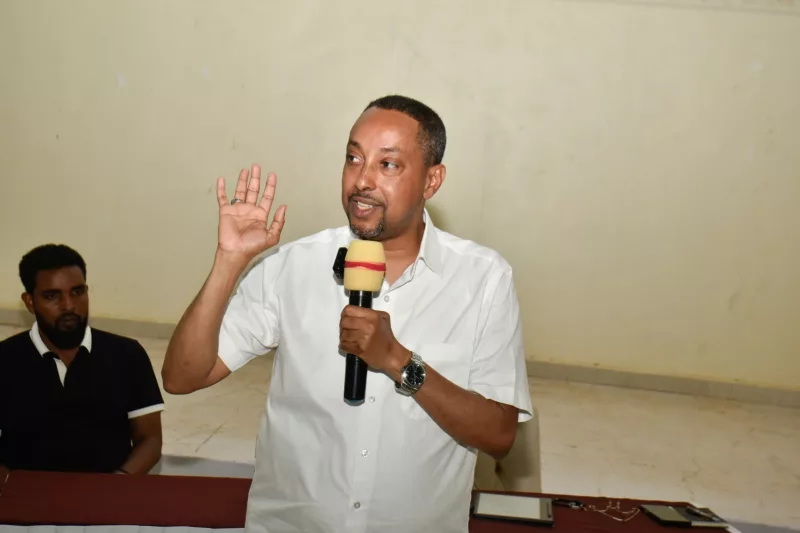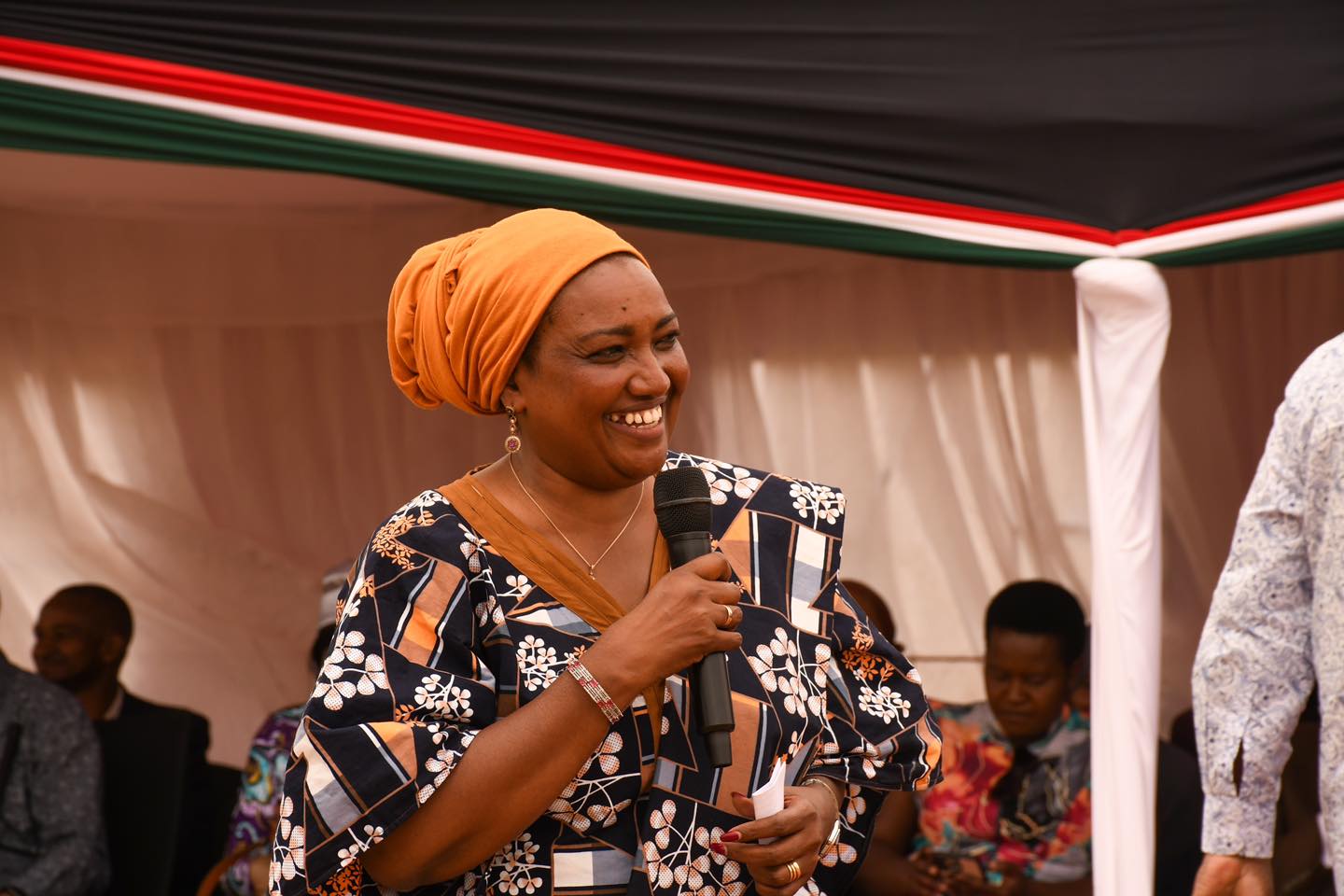
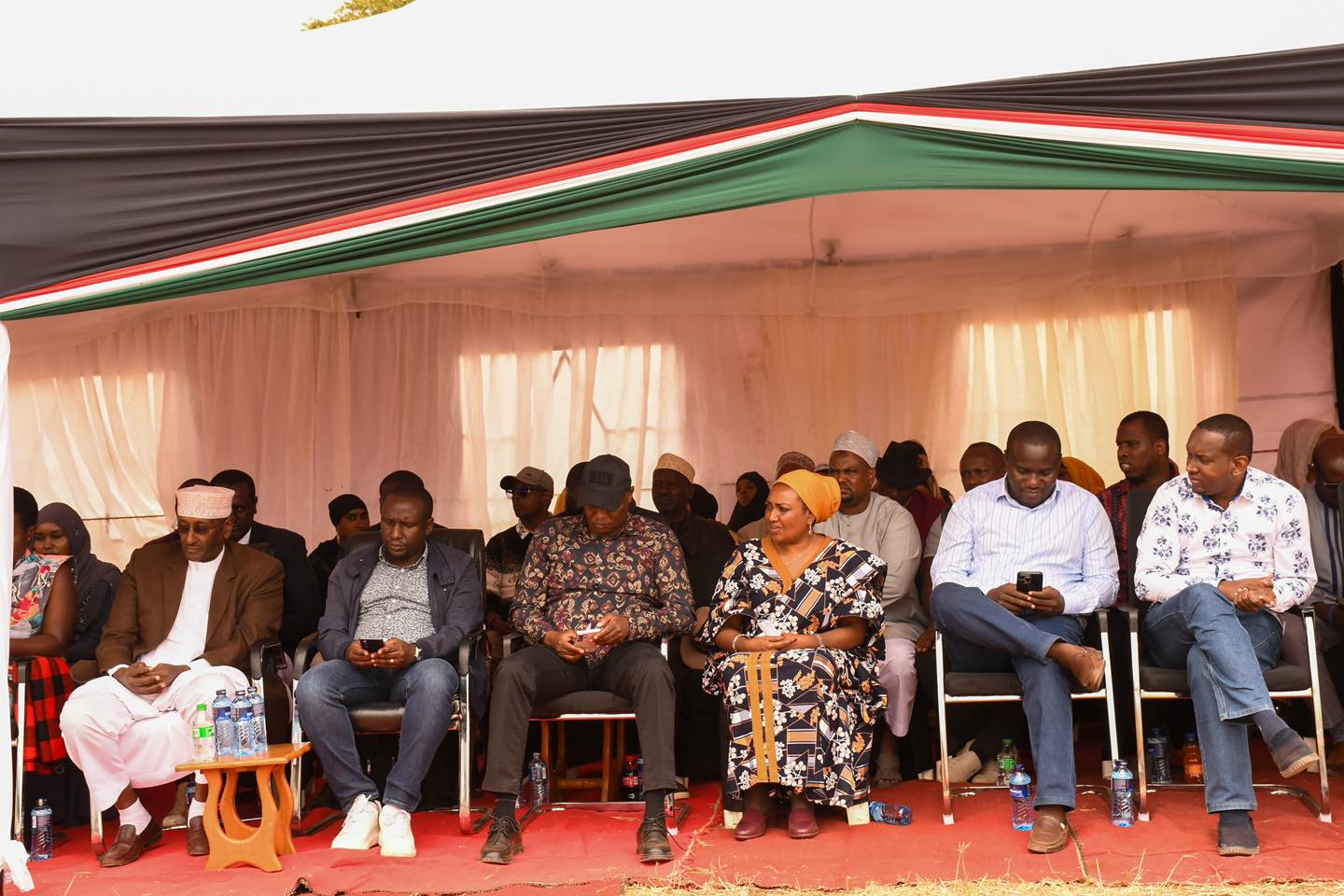
 Leaders during the empowerment programme in Marsabit County.
Farouk Kibet, President William Ruto’s aide, described the administration’s empowerment programme as a “game-changer” for ordinary Kenyans.
“This is a government of action, and no amount of political noise will stop us from delivering for the people,” Kibet said during an event in Marsabit town.
Kibet, who toured the county alongside Deputy President Kithure Kindiki, dismissed critics, who he claimed were downplaying progress.
The empowerment initiative has enabled many to start businesses and access opportunities previously beyond their reach, he said.
Kericho Senator Aaron Cheruiyot echoed the sentiments, vowing that nothing would derail the Kenya Kwanza administration’s development and empowerment agenda.
“We are determined to move forward. The youth, women and every citizen will see the benefits of this work,” he said.
Marsabit Woman representative Naomi Waqo called for patience until an audit of first-term projects is completed, insisting the Ruto government has kept its promise to spread economic empowerment nationwide.
“As a region that has endured years of marginalisation, we have every reason to be happy. These investments are not just projects—they are symbols of renewed hope and inclusion,” she said.
Waqo added that the results of the audit would prove the government is delivering, noting.
“The road to economic freedom is being built, one business at a time, with women and youth at the steering wheel.”
She thanked the President for restoring access to essential services such as the issuance of National ID cards, saying the removal of burdensome vetting had ended years of unfair discrimination.
“For a long time, our people felt like lesser Kenyans. Today, that has changed,” she said.