
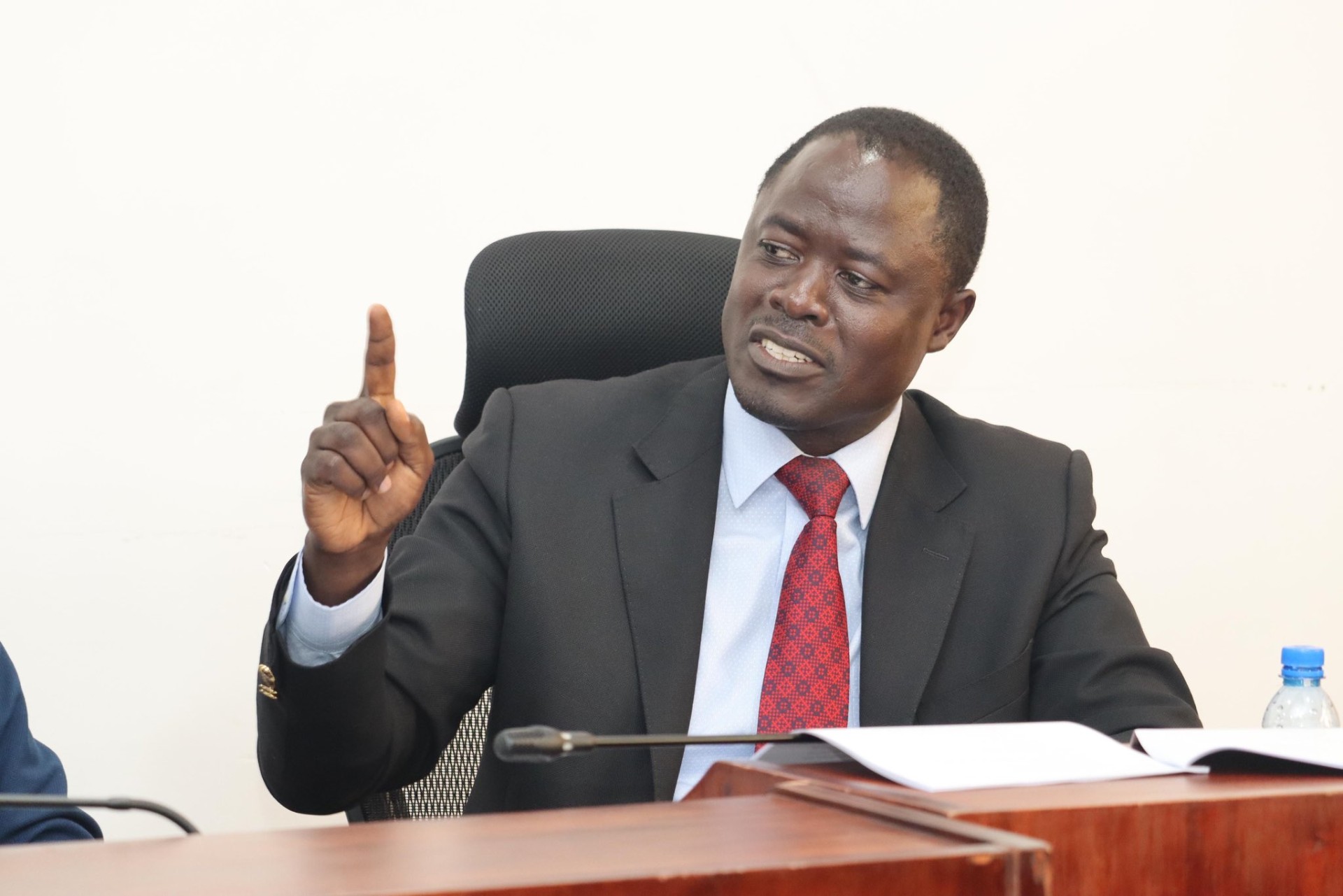
MPs have initiated steps to resolve their long-standing row
with governors over the share of the roads levy cash.
A new bill currently before the National Assembly seeks to
not only set the formula but also overhaul how the country’s roads are
classified, managed and funded.
The Kenya Roads (Amendment) (No. 3) Bill, 2025, sponsored by
Homa Bay Town MP Peter Kaluma, could reshape the responsibilities of both national
and county governments on matters of roads.
The Bill also prohibits the erection of unauthorised signs
around roads that include personal names or images.
The move is likely aimed at curbing the practice of
politicians branding roads with their names.
Violators will face fines of up to Sh1 million, imprisonment
for up to two years, or both.
A major highlight of the Bill, however, is its financial
provisions.
It amends the Kenya Roads Board Act to allocate five per
cent of the Road Maintenance Levy Fund (RMLF) directly to county governments
for the maintenance and development of county roads.
This is a significant shift, as counties previously had no
guaranteed share of these funds. They recently put up a fight with MPs during
deliberations on the Division of Revenue bills.
However, the allocation comes with strict conditions.
County governments must open special accounts at the Central
Bank of Kenya, where these funds will be deposited.
Governors would also be required to submit annual road maintenance
plans to the Kenya Roads Board at least six months before the start of each
financial year.
The board will monitor how the funds are used and can take
corrective action if counties fail to comply with national standards.
The Bill further adjusts how the remaining RMLF funds are
distributed.
The share allocated to the National Highways Authority will decrease from 40 per cent to 36 per cent, while the Urban Roads Authority’s portion will drop slightly from 15 per cent to 14 per cent.
The Constituency Roads Fund, which supports most rural road
projects, will see a minor reduction from 22 per cent to 21 per cent.
Additionally, the Bill introduces new allocations, including
1.5 per cent for the State Department for Roads and one per cent for roads in
national parks managed by the Kenya Wildlife Service.
The other key change in the Bill is the reclassification of
public roads into two main categories— national trunk roads and county roads.
National trunk roads will include major highways, international
corridors and roads of strategic importance, all of which will remain under the
management of the national government.
The said roads are further divided into primary national
trunk roads (Class A), urban arterials (Class Au), and rural roads (Class C),
among others.
“This classification is intended to provide clarity in the
maintenance, rehabilitation and development of the road network across the
country,” Kaluma said in the Bill’s memorandum.
County roads, on the other hand, will encompass inter-ward
roads (Class D) and local access roads (Class E), which will now fall under the
direct responsibility of county governments.
The Bill provides that all roads must be clearly marked with
signage indicating their classification and the responsible level of
government.
Cabinet Secretary for Transport would review road
classifications at least once every five years if the Bill is enacted, ostensibly
for fairness.
The Bill also introduces a requirement for county
governments to submit written requests to the Cabinet Secretary whenever a new
public road is established.
As per Kaluma’s proposal, the aim is to ensure proper
documentation and planning.
Further to this, county governments will now have expanded
responsibilities under the proposed law.
They will be required to maintain and rehabilitate county
roads, manage road reserves, enforce axle load controls and ensure road safety
standards are met.
They would also oversee management of traffic and road
safety on county roads as well as collect data for improvements.
To enforce compliance, the Bill imposes penalties on county officials who fail to meet these obligations, though specific sanctions are not detailed in the current draft.
INSTANT ANALYSIS
The Bill is now set for further discussion in Parliament, with public participation expected before it moves forward for consideration. If passed, it could mark a significant shift in how the country’s roads are managed. It could have long-term implications for infrastructure development and devolution.






