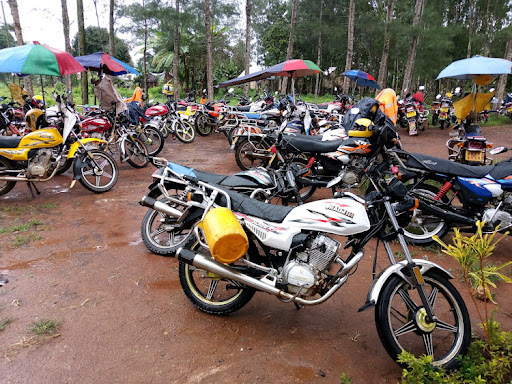
 Boda bodas / HANDOUT
Why would National Assembly Majority leader Kimani Ichung’wah dismiss the Bill brought forth by Kakamega Senator Bonny Khalwale imposing strict rules on boda boda riders? Ichung’wah has dismissed the Public Transport Motorcycle Regulation Bill, 2025, on grounds the actual stakeholders, who are the motorbike operators, have not been adequately engaged.
If there is one sector that is a double-edged sword in Kenya, it is the boda boda business. Those using their motorbikes to make a living are mostly low-income operators. Over the years, it has been attractive due to the low taxes on the imported or locally assembled bikes, and the quick-learning model of operation.
It has delivered serious convenience, ease of political engagement especially during campaigns and created employment for many youths and even older adults countrywide. It has eased the transportation of goods and services for smallholder businesses, and, in a way, also reduced the cost of hiring transport, from hiring a taxi to hiring a motorbike for short errands.
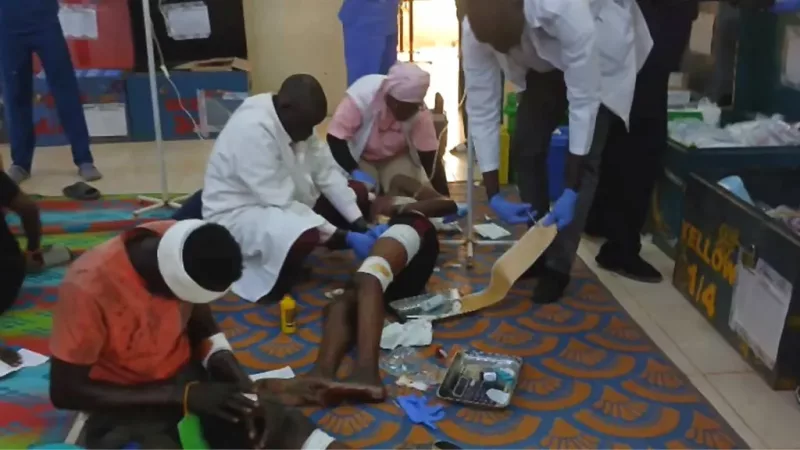
In retrospect, this business model, adapted from Uganda and western Kenya quickly spread to other parts of the country and also has had negative consequences. Boda boda riders have caused major accidents, death, disability, rape and easy escape for criminals.
The business has caused school dropouts due to the ease of starting ventures, truancy, physical inactivity and horizontal disrespect of the rule of law through riders’ abuse of traffic rules. We do not have designated lanes for motorbikes, and this is where the government fails the motorbike businesspeople.
I am guilty of taking a motorbike for errands, but I stopped recently, for many reasons, including almost being knocked down by one in the CBD. There are other reasons: many friends and relatives have been involved in accidents when riding as passengers.
Some own motorbikes and have been involved in accidents. I have also read about both petty and serious crime by people purporting to be in motorbike business, disguising themselves and being involved in muggings, rapes and home thuggery, just to mention a few.
I feel for the parents, who have to entrust their small schoolgoing children to the hands of motorbike riders. This is also a double-edged sword. Hiring a boda boda is cheaper than paying for a school bus, but as mentioned, the child is exposed to danger at the hands of the parent being the rider, or a stranger boda rider.
In countries that really care about their citizens, especially children, and those that strictly follow the UN Convention Rights of the Child, this Bill would be a no-brainer.
The UN Convention on the Rights of the Child adopted in 1989 is an international treaty outlining the civil, political, economic, social and cultural rights of all children under age 18. It emphasises that children have the right to survival, development, protection and participation.
Concerning children’s safety, this convention emphasises the best interests of the child, that is, all decisions affecting children should prioritise their well-being. Children exposed to cold, speed and blaring cars while on motorbikes, contradict this treaty.
Kenya ratified the UNCRC on July 30, 1990, becoming one of the first African countries to do so. Kenya’s Children's Act of 2021, also covers the protection of children.
These principles should also be applied to ordinary Kenyan adults, not infrequently victims of unruly motorbike riders. Article 26 of the Constitution, particularly Chapter Four on the Bill of Rights, emphasises the right to life, saying, “Every person has the right to life.” This article implies the state must take measures to protect lives, including through safe infrastructure and transport systems. The Traffic Act emphasises this responsibility.
While Ichung’wah’s argument on the need for stakeholder engagement is valid, it should not be used to indefinitely delay legislation that could save lives.
Vox Populii says the motorbike sector is politically important, but unpopular as it may sound, it is not crucial at this point to Kenya’s transport economy, and its dark side cannot be ignored.
A rights-based approach, rooted in the constitution and its international commitments such as the UN Convention on the Rights of the Child, demands swift action to protect both children and adults.
Regulation, if well intentioned, inclusive and enforceable, is a path toward dignity, safety and sustainable development.