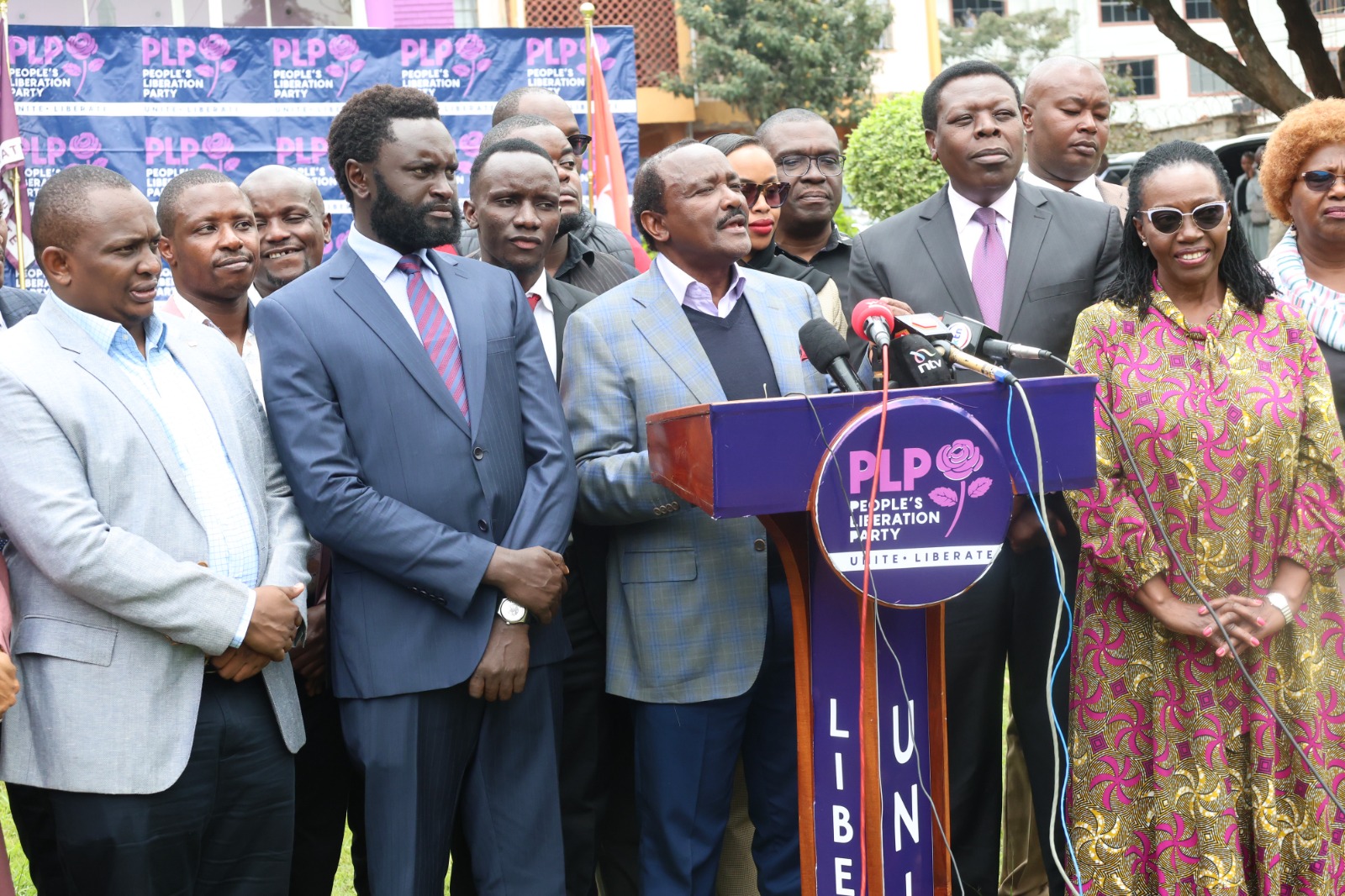
The pending by-elections have put under severe tests the opposition’s unity as rival factions within the united opposition prepare to lock horns, each plotting to front own candidates.
The United Opposition brings together the Democracy for Change Party (DCP), Wiper, DAP-K, DP and People’s Liberation Party.
There are 23 pending by-elections across the country, including Senate (1), National Assembly (6) and MCAs (16).
They are the Baringo Senate seat, Magarini constituency, Banissa, Ugunja Malava Mbeere North and Kasipul constituencies
Wards with no MCAs include Angata Nanyokie in Kajiado county, Chewani (Tana River), Fafi (Garissa), Kisa East (Kakamega), Lake Zone (Turkana), Mumbuni (Machakos), Narok Town (Narok), Nyamaiya (Nyamira) and Nyansiongo (Nyamira).
Daggers are already drawn in the opposition camp.
The affiliate parties are openly fielding separate candidates, signalling deepening rifts and brewing supremacy battles that could fracture the opposition ahead of the next general election.
Sources within the opposition reveal that behind-the-scenes efforts to broker a united front ahead of the mini-polls have failed, with key party leaders digging in to assert influence and protect their turfs.
While Wiper secretary general Shakila Abdalla told the Star that parties should devise means of arriving at joint candidate, she said it is in the interest of democracy to have the parties field parallel candidates.
“If DCP thinks they are strong enough to capture the seat they have the right to put a candidate, if another party feels the same they also have a right – it is a democracy,” Abdalla said.
In Malava, Rigathi Gachagua’s DCP and Eugine Wamlawa’s DAP-K have locked horns deepening the rift in the nascent coalition.
The frictions came to the surface during a rally in Malava last week, where DCP Deputy Party Leader Cleophas Malala publicly prevailed upon DAP–K to withdraw its candidate from the race and instead back the DCP’s candidate.
Gachagua’s party has settled on Edgar Busiega to face off the Kenya National Union of Nurses secretary general Seth Panyako who is being fronted by DAP-K.
“We want to ask our brothers in DAP-K, if you are genuine about forming a united opposition, then kindly step down and support our candidate,” Malala said last week.
“However, if you choose to go ahead, we will still respect your democratic right to field a candidate and meet you at the ballot.”
According to Malala, the three-month old DCP will field candidates in all the 23 seats.
“We are also targeting other regions including Nyanza, particularly Kasipul constituency, formerly held by the late Ong’ondo Were. This proves that DCP is not a regional outfit but a national party,” he said.
Panyako, who is being fronted by Eugine Wamalwa’s party has vowed to block any external influence in the region.
While DCP is associated with central Kenya, DAP-K is seen as a Western Kenya party.
“We will battle it out to ensure we block those coming from outside to dictate us to the who to elect, we must chart our own way,” Panyako said.
“Malava by-election is going to be the test for the Luhya nation.”
Similar scenarios are unfolding in the other vacant seats, each contest turning into a proxy war between parties within the broader opposition.
Apart from DCP and DAP-K rivalry, the other affiliates in the opposition camp have all vowed to sponsor candidates in all the by-elections including in wards.
The infighting has sparked concern among coalition loyalists and political observers, who warn that the internal competition risks weakening the opposition’s bargaining power and giving rival alliance an unchallenged upper hand.
Abdalla says it would be ideal for the United Opposition to field a joint candidate, cautioning that having parallel candidates may give the opponent undue advantage.
“I can tell you about Wiper, if we do have more than one candidate in an area we do negotiated democracy, but if we do feel that all the candidates are strong then we go for the primaries and have one candidate and the loser supports the winner,” she told the Star.
“I hope those parties have negotiated democracy so that they don’t lose the seats, they should make sure people work together and capture the seats and all benefits.”
Machakos Deputy Governor Francis Mwangangi termed the unfolding situation “a dangerous game of political brinkmanship", warning that if not arrested, it could lead to a full-blown implosion of the opposition alliance.
“Any coalition that is focused in winning must ensure the local predominant party is supported because the win of the strongest party where that by-election is taking place is a win for the coalition,” Mwangangi told the Star on phone.
“If the coalition parties field candidates, they are playing to the card of the other coalition. If you field candidates all of you are dividing the coalition’s political support.”
“It is a serious thing that needs to be though through," he said.
INSTANT ANALYSIS
With campaigns heating up and party grassroots torn between loyalty to the coalition and allegiance to local kingpins, the by-elections now carry national significance. The outcome will not only determine representation in the affected areas but also reshape the internal power map of the opposition. As the ballots near, all eyes are on how the rival opposition candidates perform — and whether the results will widen the divide or push the coalition back to the negotiation table.