Concern is growing in Kenya’s coffee industry over the European Union Deforestation Regulations that could severely affect smallholder farmers if urgent action is not taken to comply by the January 2026 deadline.
The EU, which buys over 55 per cent of Kenya’s coffee, adopted the EUDR in June 2023. The regulations require companies selling commodities like coffee on the EU market or exporting from the bloc, to prove their products are deforestation-free, legally produced and traceable to the source.
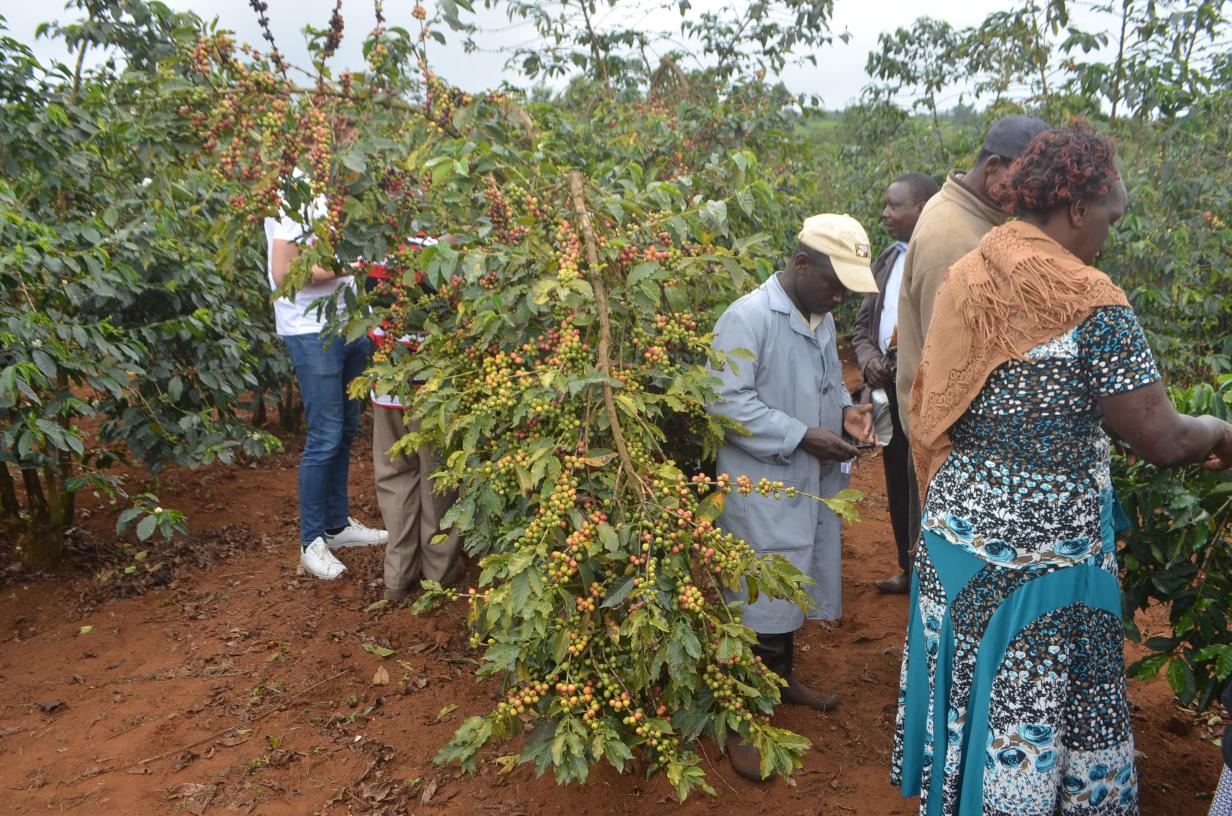
On Friday, a multi-stakeholder delegation including farmers, exporters, private sector players and development partners presented a joint statement to the Coffee Directorate at the Agricultural and Food Authority offices in Nairobi.
Their primary concern was the steep cost of compliance, especially for small and medium farmers, estates and cooperatives.
“We recognise the significant financial burden that EUDR compliance may place on the sector. Costs related to traceability systems, precise geolocation mapping and digital technologies can be substantial,” they said in a statement.
The stakeholders called for fair cost-sharing models and continued consultations to develop practical financing solutions.
The consultation was led by the Alliance of Bioversity International and CIAT under the GIZ-funded Digital Integration of Agricultural Supply Chains programme. Other participants included the Kenya Coffee Platform, Nairobi Coffee Exchange, farmer co-operatives, exporters, NGOs and private sector representatives.
Brian King, senior manager for technology integration at the alliance, said the regulations are another shock that farmers must adapt to.
“We need to act collectively to ensure their livelihoods are protected,” he said, adding that the solution requires a mix of technology, policy and institutional collaboration to avoid smallholder exclusion from the EU market.
In Kenya, most smallholder coffee farmers depend on cooperatives to access export markets. Under the EUDR, an entire co-operative can only trade with the EU if all its members meet the traceability and compliance requirements. Farmers now fear their next crop may be at risk, further underlining the urgency to close existing gaps.
The stakeholders also recommended improving existing traceability systems to strengthen transparency and maintain Kenya’s competitiveness globally.
They also pointed out the need for farmer training, awareness creation and data privacy safeguards.
The joint statement urged the development of a framework to ensure informed consent, transparency and responsible data management.
While acknowledging the environmental goals of the EUDR, stakeholders raised equity concerns, saying the regulations place a disproportionate burden on producers. They called on consumer countries to share responsibility in sustaining global supply chains.
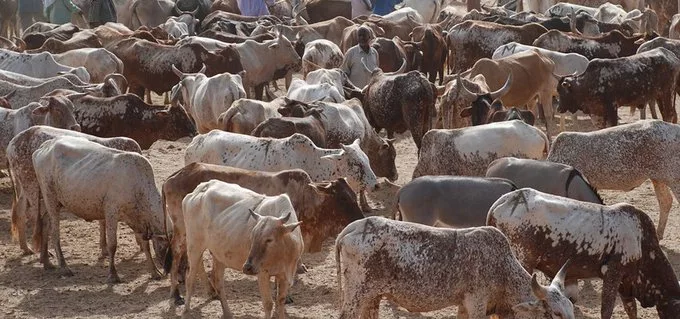
The EUDR applies to other commodities including cocoa, palm oil, soya, rubber, cattle and wood. They urged for coordinated and urgent action, warning that livelihoods across coffee-growing communities could be at stake.
Sarah Nyaga, a farmer from Embu, said many smallholders still don’t fully understand the regulations or what compliance entails.
“Farmers must realise that the EU is a key market and that each farm must now be geo-mapped. A cooperative with 3,000 members must provide the geolocation of each individual farm,” she said.
Nyaga also raised concerns about digital literacy, data security and the burden placed on older farmers who may lack the necessary skills.
She warned that without proper support, farmers might resort to informal channels.
“If farmers can’t comply, they may hawk their coffee to compliant traders who can access the EU market,” she cautioned, urging the government and cooperatives to lead in guiding farmers.
George Watene, programmes manager at the Global Coffee Platform, said Kenya supports environmental conservation goals, including planting 15 billion trees by 2030, but noted that the structure of the local coffee sector presents challenges.
“Some EUDR requirements, like obtaining geo points, are easier in countries with large plantations. But in Kenya, we have over 800,000 coffee farms producing about 50,000 tonnes. That’s a lot of data points for relatively low volume,” he said.
Watene underlined the need for realistic strategies that account for both economic and logistical demands and called on all actors to work together to navigate the road ahead.