InhisMonday, July 21,column 'Weak link in Gen Z united front: No Clear Demand,' veterancolumnist Wycliffe Muga attempts to dissect Kenya’s Gen Z protest movement. Drawing parallels with historical political alliances and past opposition struggles, he argues that today’s youth-led uprisinglacksclarity,structure,andactionabledemands.Butindoingso,Mugamissestheforest for the trees.
Hisquestion, “Whatistheweakestlinkinthissupposedlyinvinciblegroup?”, mightbe provocative, but it’s incomplete. The more powerful and relevant question is: What is the strongest trait of this emerging civic force?
The strengthin being leaderless
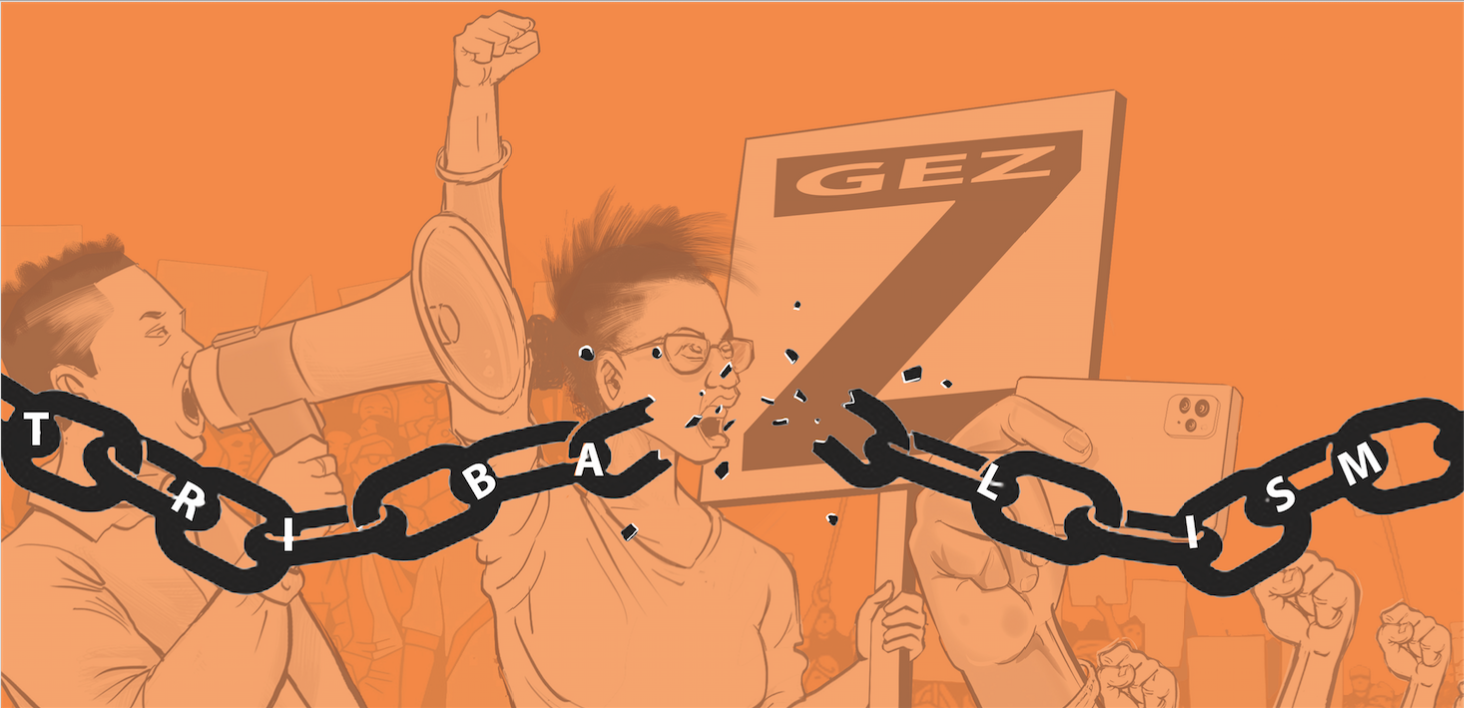
Kenya’sGenZmovementhasstunnedmanywithitscoordination,digitalsavviness and resilience.Theirstrengthliesnotinhierarchyortribalalliances,butin a decentralised, tech-driven solidarity. This is a generation that has redefined protest—mobilising across ethnic, regional andclasslinestochallengestateexcesses,demandaccountability andaffirmtheir constitutional rights.
Mugaacknowledgestheireffectivenessbutquicklydiscreditsthemforlacking“aclearandtime-specific plan of action”.That’s a misleading charge.These protests had—and still have—clearly stated demands: rejecting the Finance Bill, 2024, calling for lifestyle audits, an end to state wastage and respect for constitutionalism. These were not vague murmurs; they were amplifiedonline,debated inParliament andechoedonthestreetsby thousands.
ToaccuseGenZofambiguityistoignoretheclarityoftheirmessageandthelegitimacyoftheir concerns.
Notthe1990s,and that'sthe point
Muga compares the current uprising with the 1990s push for multiparty democracy, where activistssoughttorepealSection2Aofthe constitution.Thatwasasingle-issuebattleinan autocraticenvironment.Today’smovementisdifferent.AsIaptlyputit,“This is not your 1990s fight for democracy through multipartyism.”
Thistime,thefightismultidimensional—againstcorruption,statebrutality,excessivetaxation, exclusion, poverty and constitutional betrayal, amongst many other issues. The constitution alreadyexists.WhatGenZareaskingforissimple: implement it.Upholdit.Liveby it.
Thisisn’taboutwritingnewdocuments;it’saboutrestoringthesocialcontractbetweenthestate and the citizen.
The facelessnessisthe feature, nota flaw
Muga,andmany othersingovernmentandelsewhere,lamentthatthe movementis “faceless.”
Butthisispreciselythebeautyofit.GenZhasrejectedthe all-too-familiar traditionof charismatic “leaders” who later strike deals and abandon the cause. In being leaderless, the movementhasbecomeincorruptible—it speaks not through individuals, but through collective will.
The youth have watched for years as self-appointed spokespeople cut deals behind closed doors, leaving the very citizens they claimed to represent behind. This time, they are determined to speakforthemselves.Andthey’redoingitwithclarity,courage and conviction.
Beyond tribes, beyond tokenism
Mugaalsobringsuptheoldnarrativeofeconomictribalism—howrurallivelihoodsshapevoting patterns. That may still hold in pockets of society, but Gen Z is a post-tribal generation. They are urbanised, digitally networked and emotionally detached from the ethnic calculations of the past.
What they are demanding is simple: A government that works for all, not just for regions with political capital.Theyseekequity,notfavouritism;unity,nottokenism.AsIcanconfidentlyput it, “It’s not wrong to identify with your community—but it’s even more urgent to realise your responsibility as a Kenyan.”
Thismovementisattemptingtodowhatsuccessiveregimeshavefailedat:nation-building through shared struggle.
The real problem isn’tGenZ — it’sthe system
Let’s be clear: what Muga misreads as weakness is actually a reflection of a deeply broken system. Gen Z are not the problem—they are a response to the problem. The corruption, the lackofdignityingovernance,theimpunity andtheviolentsuppressionofdissenthavecreateda civic explosion that was inevitable.
Theirdemandisnotforanewdocument,orfornewleaderstorise.Theirdemandisfor those in power to respect the very laws they swore to uphold.
Listen before you lecture
Muga’sexperienceinanalysingKenyanpoliticsisundisputed.Butinthispiece,he attemptstoevaluateanewmovementusingoldtools.Whatwe arewitnessingisnotjustanother protest—it’s a civic reset, a new blueprint for participatory democracy.
Ratherthanquestiontheirclarityorleadership,it wouldbewiserforpoliticalcommentators and powerholderstoask:Why are so many Kenyans choosing the street over the ballot box? Why do they feel unrepresented, unheard and unprotected?
Untilthosequestionsareansweredhonestly,thismovementwillcontinuetogrow.Anditwill not need permission, parties or personalities to do so.
Aspiring civiceducator,policyanalyst andsocialcommentator passionate about youth empowerment and good governance