In Kenya, a matatu transcends its basic function as a mode of transport; it has become a dynamic canvas of art, a mobile sound system, and a deeply embedded cultural phenomenon, particularly for the urban youth.
This unique evolution, transforming humble beginnings into multi-million-shilling machines with a global following, tells a uniquely Kenyan story of innovation and expression, culminating in what is now famously known as the "nganya" culture.
The origins of matatus can be traced back to the 1960s and 70s, a period when Kenya's urban centers experienced a surge in demand for public transport. The very name "matatu" is derived from the Kikuyu phrase "mang’otore matatu," signifying "three coins," which was the original fare of 30 cents.
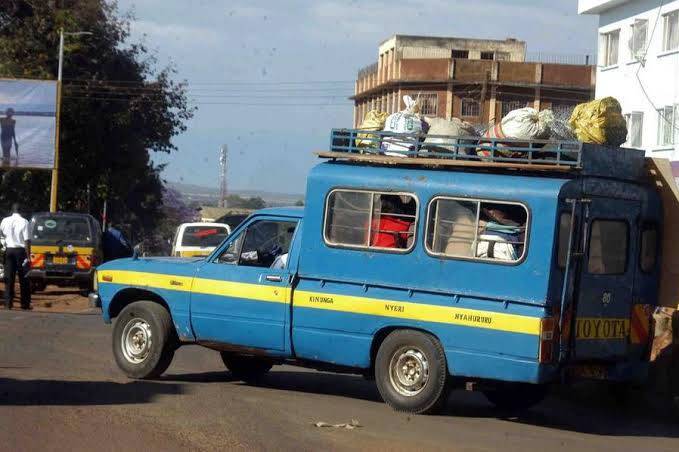
Initially, these vehicles were basic Peugeot 404s and Nissan 14-seaters, often operating without formal licenses. Their presence on Kenyan roads became fully solidified following President Moi's declaration in 1973, which officially legalized their operation.
By the late 1980s, matatus had cemented their status as indispensable symbols of urban life, with young owners and drivers beginning to customize them with stereo systems, graffiti, and vibrant colors to attract passengers, thereby laying the groundwork for the burgeoning nganya culture.
The term "nganya," popularized through Sheng slang, emerged to describe these extensively modified matatus. By the early 2000s, operators were investing significant sums, ranging from Ksh 2 to 6 million, to transform their vehicles.
These modifications included plasma screens, strobe lights, plush velvet-covered ceilings, intricate floor lighting, dedicated DJ booths, and even free Wi-Fi, turning each matatu into an immersive experience.
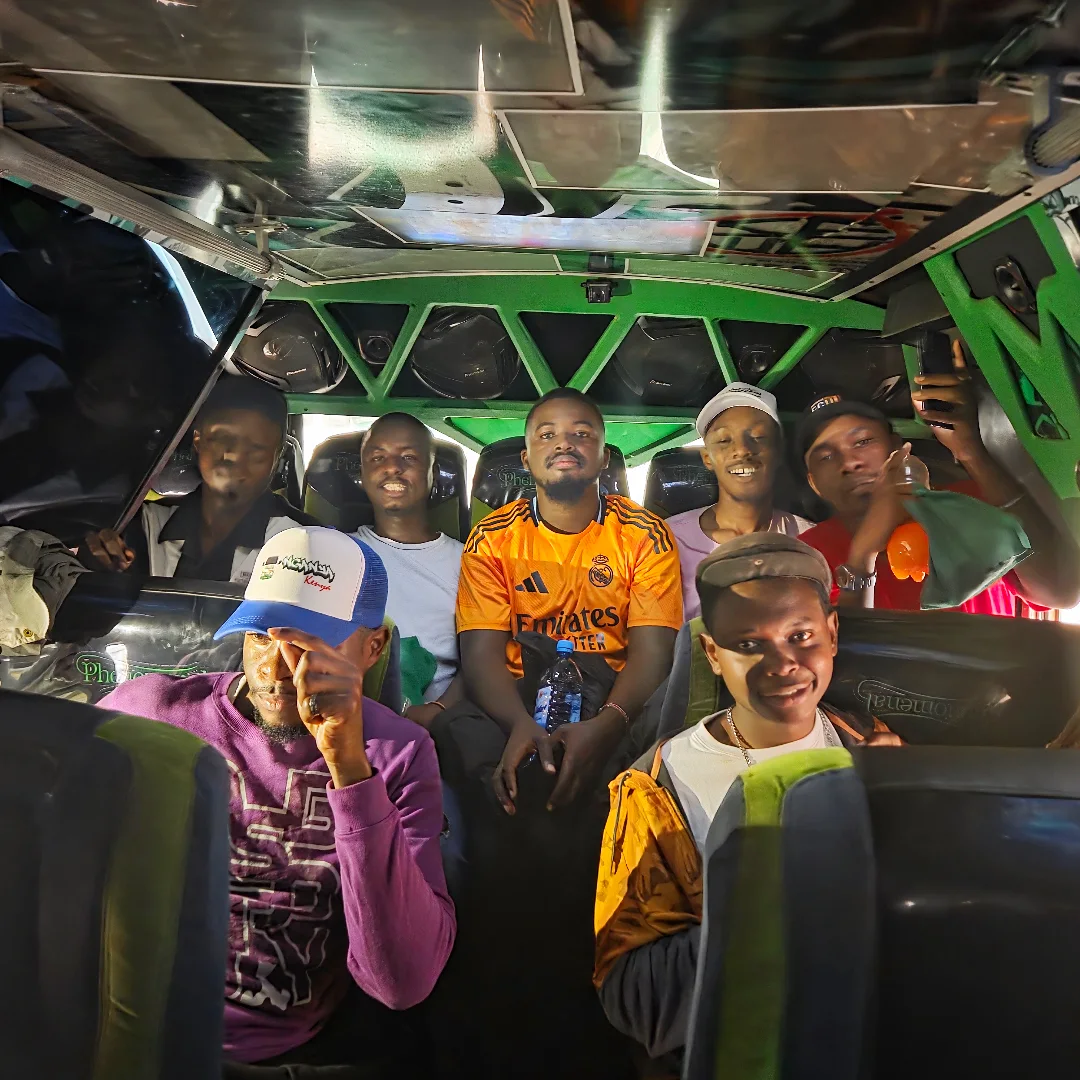
This extravagant transformation was driven by fierce competition, particularly on routes like Rongai, Umoja, Kayole, and Githurai, which became unofficial arenas for showcasing the flashiest, loudest, and most technologically advanced nganyas.
Each nganya served as a mobile billboard, a pulsating club on wheels, and a potent status symbol within its community.
As the nganya scene matured, its cultural significance gained formal recognition. Events such as the annual Nganya Awards and the Matwana Matatu Culture Festival were established to celebrate the best-designed matatus, their powerful sound systems, dedicated crews, and thriving online fan communities.
Certain nganyas, including iconic names like Catalyst, B613, and Scorpion, have achieved household recognition among Nairobi's Gen Z population.
This vibrant subculture has since been immortalized in documentaries, photo series, and music videos, drawing fascination from international visitors and filling platforms like TikTok with captivating point-of-view videos filmed inside their dazzling, glow-in-the-dark interiors, set to local hip-hop beats.
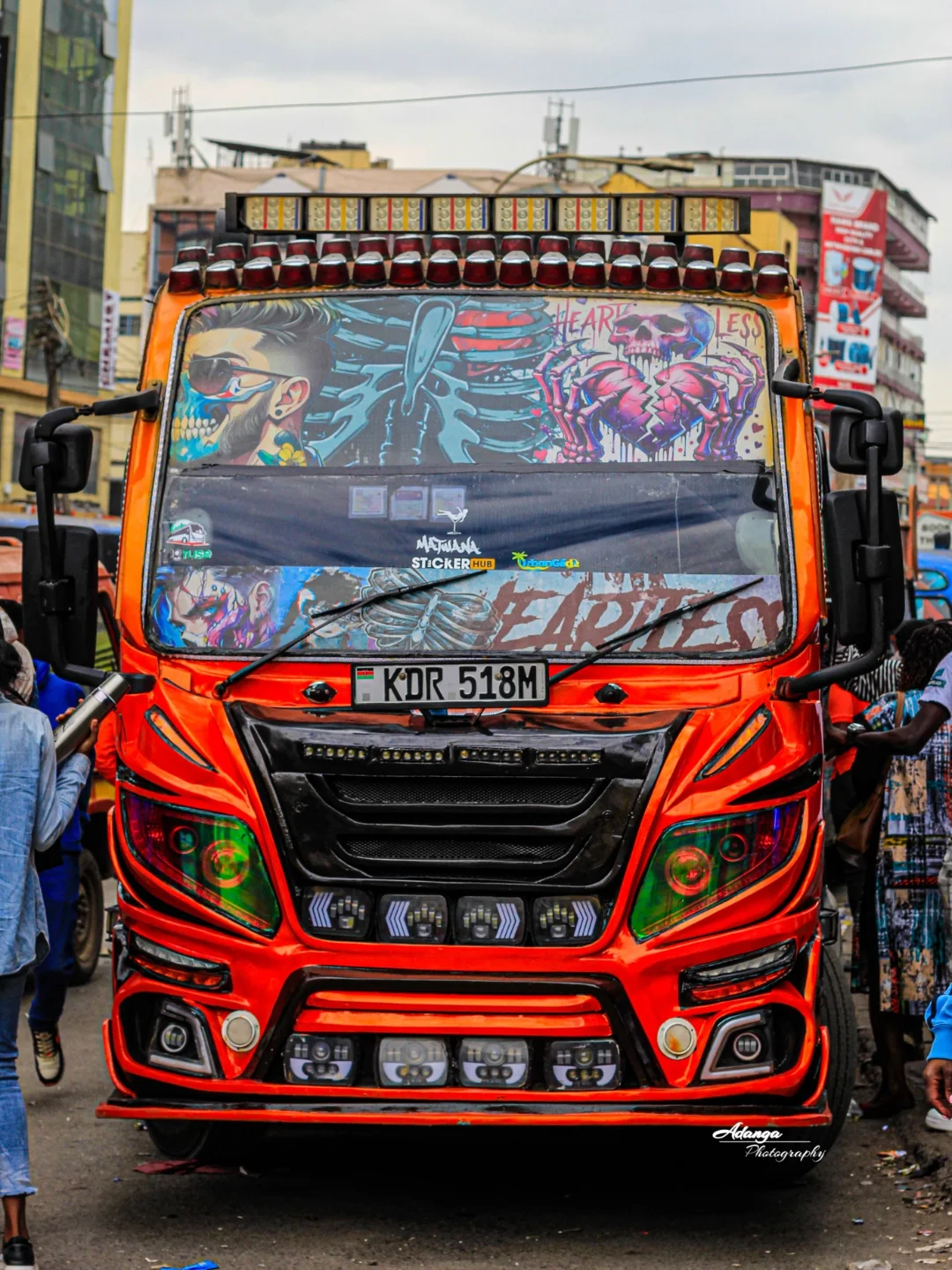
Today, nganyas stand as genuine cultural ambassadors. They encapsulate Kenyan street style, embodying creativity, a spirit of rebellion, and relentless hustle.
Despite enduring years of regulatory challenges, including music bans and licensing complexities, these iconic vehicles have consistently demonstrated remarkable resilience, adapting and thriving against all odds.
Their journey from simple public transport to a celebrated cultural phenomenon reflects a profound connection to urban identity and artistic expression in Kenya.