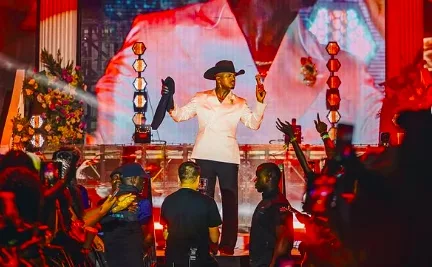
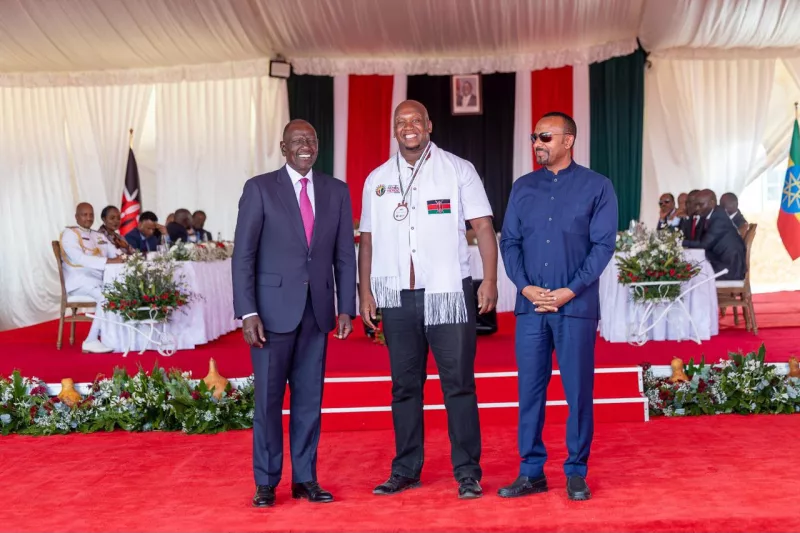
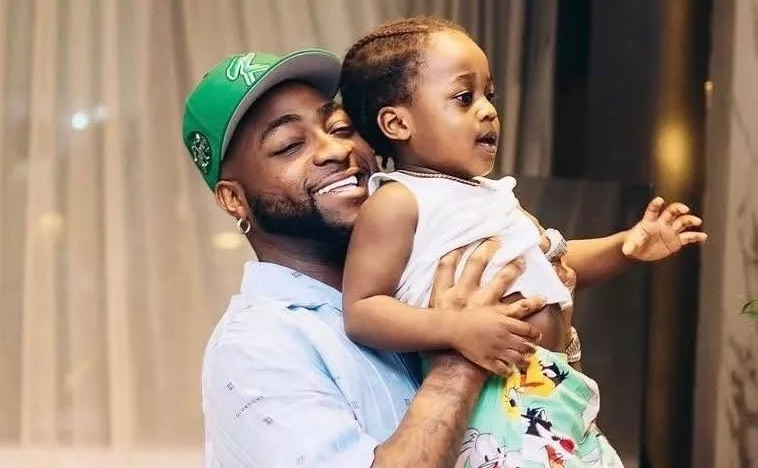
Kenyan entertainer and hype musician Parroty Vunulu has stirred a lively debate online after publicly praising George Ruto, son of President William Ruto, for what he described as a rare and meaningful investment in Kenya’s vibrant matatu culture and the broader youth economy.
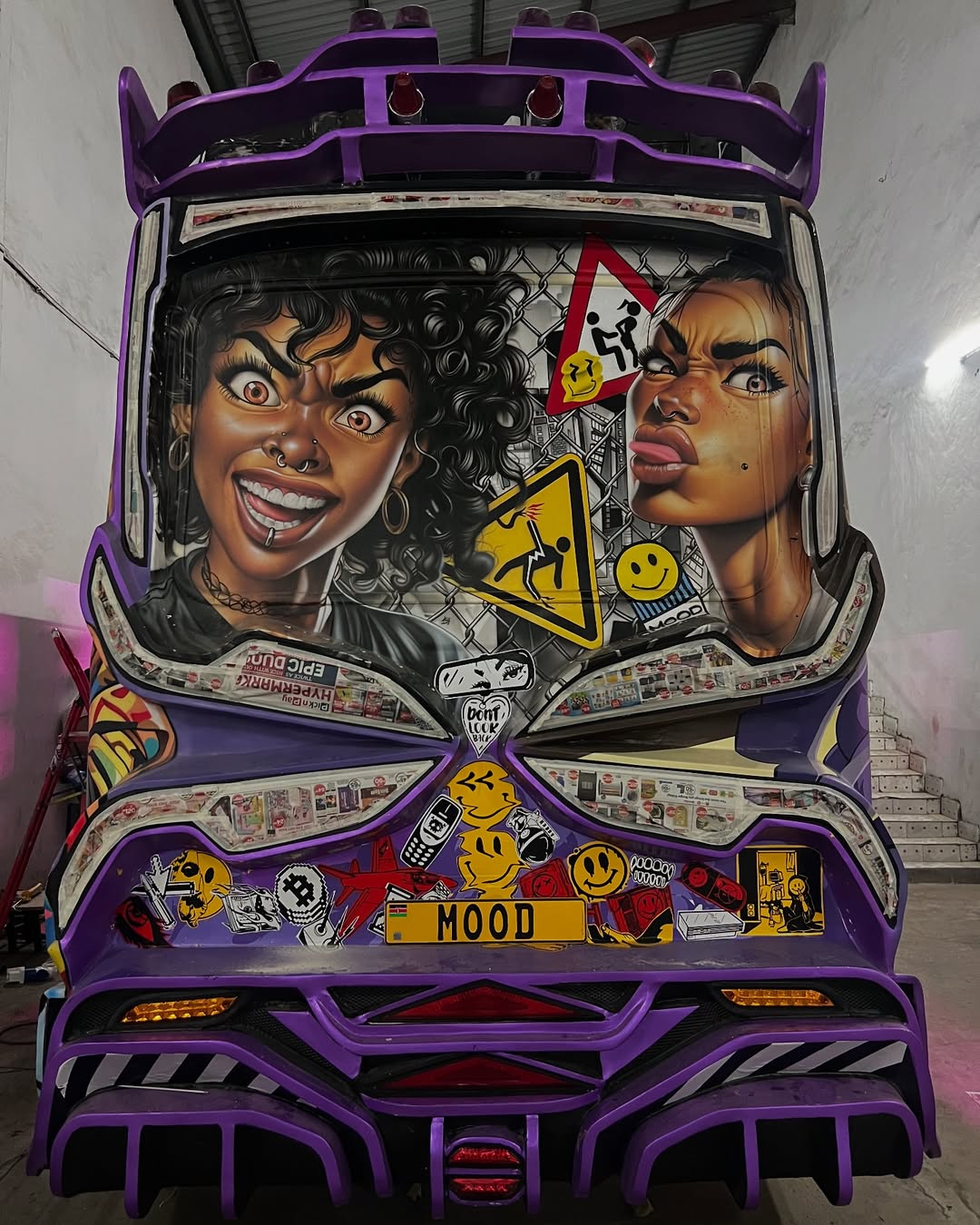
Taking to Instagram, Parroty shared a post congratulating George for unveiling a new Nganya—a lavishly pimped-out matatu that’s already turning heads online, despite not yet hitting Nairobi’s bustling streets.
But for Parroty, it wasn’t just the flashy exterior that impressed him; it was the perceived economic impact behind the venture.
“Most children of politicians invest abroad or stash their wealth in offshore accounts. George chose to build something here in Kenya,” Parroty wrote, drawing a stark contrast.
He pointed out that the matatu project had already created ripple effects across multiple sectors, providing employment opportunities for graffiti artists, skilled sound engineers, electricians, and future drivers and conductors.
According to him, this wasn’t merely about clout or aesthetics—it was fundamentally about creating livelihoods.
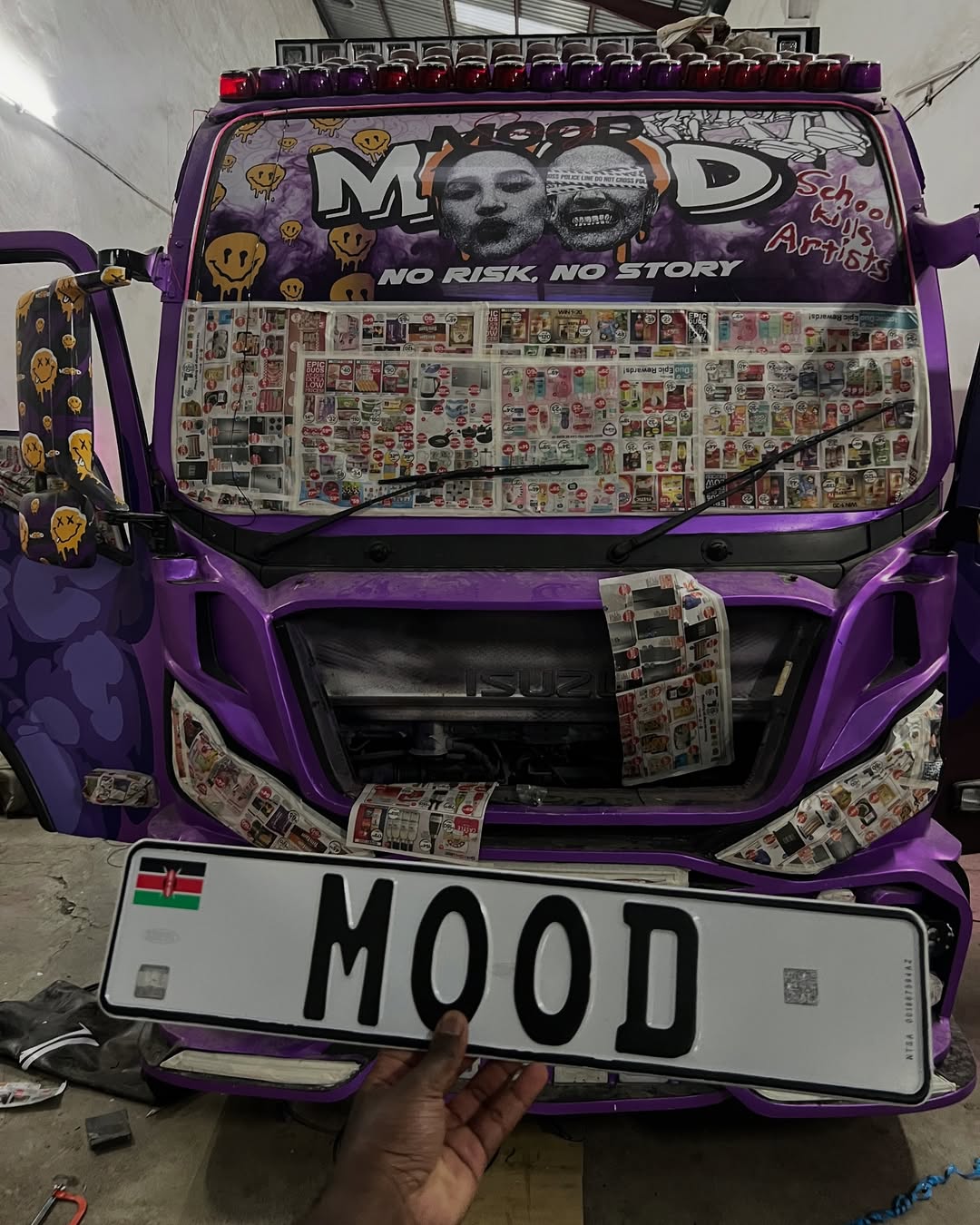
“This one Nganya is feeding families,” he added passionately. “From the art to the wiring, the opportunities it’s created are real.”
Parroty was keen to emphasise that his public support was entirely unsponsored, stating: “No one has paid me to say this. I’m simply giving people their flowers while they’re still alive to smell them.”
Reactions: Applause, Sarcasm, and Tough Truths
As expected, DJ Parroty’s candid comments sparked a mixed bag of reactions across social media. Some users lauded the move and commended George Ruto’s choice to invest locally, while others sharply questioned the broader context, particularly considering his father's prominent political position and the prevailing economic climate.
Comedian @djshiti_comedian injected a dose of humour and scepticism, joking in Swahili: “Zikishuka utajuta kweli ama utakuwa tu sawa?” (If the hype dies down, will you regret this or will you be okay?).
Parroty responded cheekily, “Italigana na maoni ya Wakenya” (It will depend on what Kenyans think), acknowledging the unpredictable nature of public opinion.
Others like @yatanijr were more overtly supportive, affirming the positive impact: “Nganya yake inapea vijana pesa wanajijenga ?” (His matatu is putting money in young people’s pockets—they’re building their lives!).
However, not all comments were glowing. @zablon_ma offered a sobering reminder that touched on wider political issues: “Lakini babake anaumiza ma yutman kinara ?” (But his father is hurting the youth leadership). To this, Parroty responded with a simple yet honest acknowledgement: “Sijakataa” (I won’t deny that).
More Than Just Chrome and LED Lights
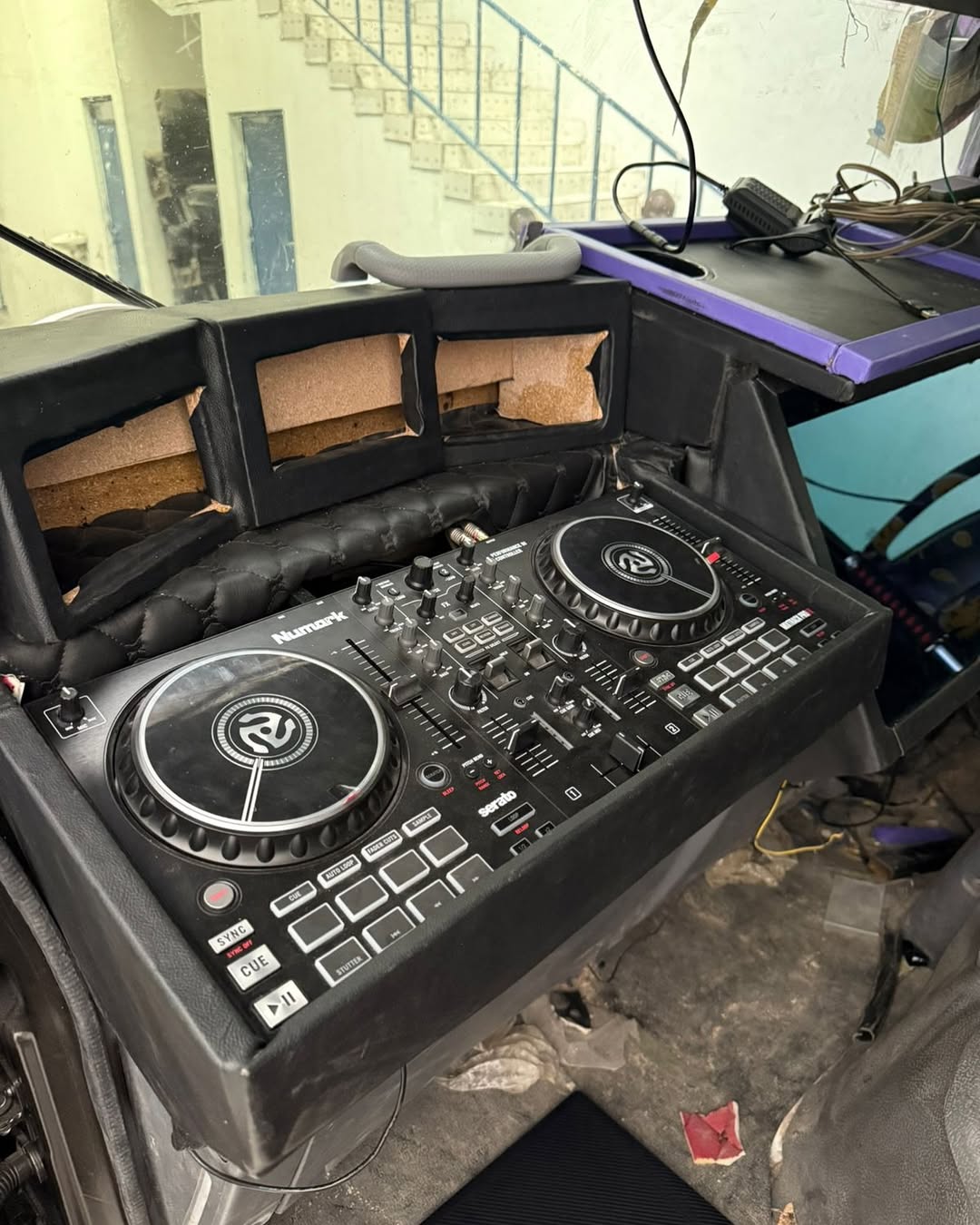
Beyond its slick design and booming speakers, George Ruto’s new matatu has unexpectedly become a symbol—a multifaceted reflection of Kenya’s youth aspirations, its enduring economic challenges, and the stark contrast often perceived between political privilege and public struggle.
DJ Parroty’s statement—unprompted, unscripted, and very much from the heart—captured something rare: a celebrity tipping their hat not for political gain, but for a tangible act that demonstrably creates jobs and empowers local communities.