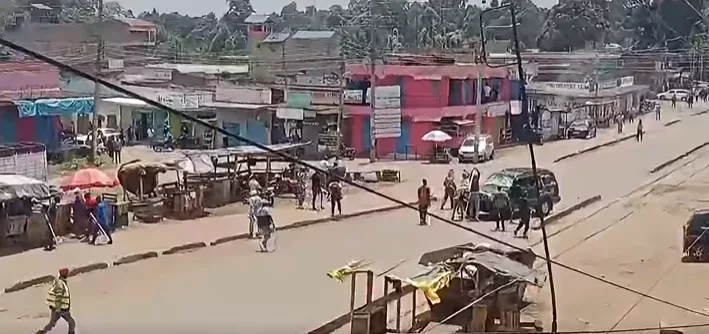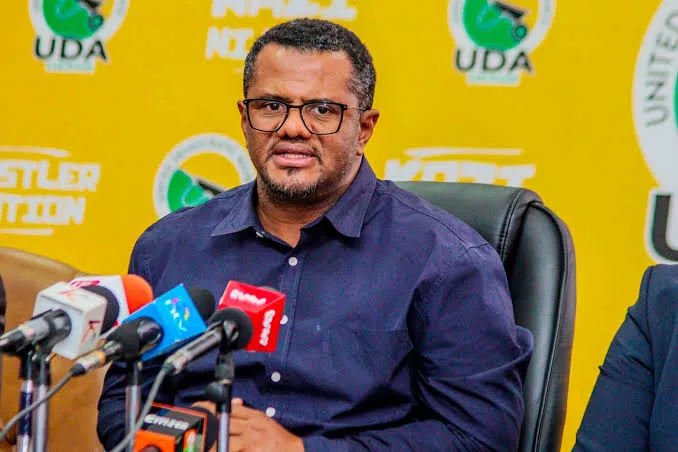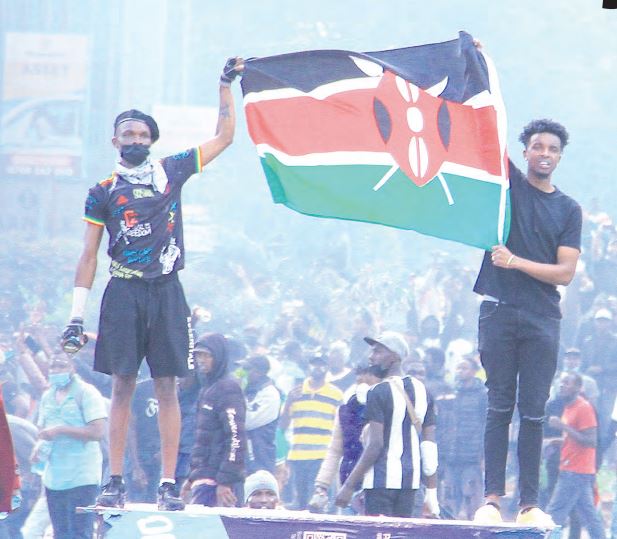
Police used unmarked vehicles and ambulances to trail and target protesters for shooting during the Saba Saba demonstrations, according to a preliminary report by a consortium of human rights organisations released on Tuesday.
The Police Reform Working Group also claim that police used sexual violence as part of brutal force deployed against protesters on July 7 especially in places like Kajiado and Kiambu.
The Kenya National Commission on Human Rights reported that by Friday, the death toll had risen to 41 people. At least 130 others were still recovering from injuries, receiving care at home and in various health facilities across the country.
Police spokesman Muchiri Nyaga was not available to comment on the findings by the lobbies but the government has maintained that any officer who violates the law will be held individually accountable.
On Tuesday, the coalition of rights groups disclosed they had visited a sample of hospitals and documented a range of injuries, including gunshot wounds to the head and limbs, as well as machete cuts—inflicted by armed individuals who disrupted otherwise peaceful demonstrations.
In one Nairobi hospital alone, 21 patients were being treated for gunshot injuries.
The Police Reform Working Group comprises organisations such as Amnesty International Kenya, Independent Medico-Legal Unit, Kariobangi Paralegal Network, Katiba Institute and Defenders Coalition.
Others include Social Justice Centres Working Group, ICJ Kenya, International Justice Mission, HAKI Africa, Kenya Human Rights Commission and FIDA.
In their preliminary update, these entities revealed that their investigations in key hotspots of violence uncovered that armed plainclothes men operated in unmarked vehicles, with ambulances trailing them.
A fact-finding mission reviewed video footage and collected numerous eyewitness accounts documenting grave violations from Ngong and nearby towns in Kajiado county including Rongai, Kitengela and Kiserian.
The findings cite violations including “the use of live ammunition against unarmed civilians, extrajudicial executions, disappearances and unlawful arrests.”
The evidence points to serious allegations of unlawful conduct and extrajudicial killings by individuals suspected to be police officers.
“Witnesses reported that armed men—suspected members of the National Police Service or affiliated security units—arrived in unmarked Subaru SUVs with no license plates, issued aggressive commands, and indiscriminately fired live ammunition at both protesters and bystanders,” the report states.
Under the National Police Service Act, officers are mandated to issue clear warnings, use less-lethal and proportional force, and report every use of firearms to their superiors and the Independent Policing Oversight Authority.
“These shootings occurred in broad daylight and densely populated areas, putting many lives at risk. Shortly after, ambulances arrived at the scenes. Witnesses observed injured individuals being loaded into ambulances, which then drove off to unknown locations. Disturbingly, several ambulances were seen trailing the unmarked Subarus, raising serious concerns about the coordination and purpose of this response," it reads.
The coalition also decries the lack of accountability, noting that Inspector General of Police Douglas Kanja has yet to identify those operating the unmarked Subarus, clarify their institutional affiliations, or provide a legal justification for their actions.
The lobbies say there has also been no explanation about who owns the ambulances, why they were deployed alongside the armed units or the destination of those they transported.
They say the lack of transparency only continues to erode public trust and intensify fear of state-sponsored violence and enforced disappearances.
Instant analysis
The use of unmarked vehicles and coordinated ambulance operations signals alarming breaches of legal policing standards. This opaque approach undermines accountability and fuels public distrust in law enforcement’s respect for human rights.