Anti-government protests, or maandamano, have become a defining feature of Kenya’s political landscape, each wave fueled by unmet promises and systemic failures.
From the anti-colonial uprisings to the current Gen Z-led demonstrations, each wave of unrest has carried distinct agendas.
The script, however, remains similar with the resistance bound by a common thread — the failure of successive governments to address systemic grievances.
The colonial era saw Kenyans campaign against British oppression, with movements like Mau Mau laying the groundwork for Independence in 1963.
Independence in 1963 birthed hope, but Jomo Kenyatta and Daniel arap Moi’s regimes weaponised power, crushing dissent with violence.
The 1982 coup attempt and the 1990 Saba Saba protests, which demanded multi-party democracy, would later force Moi to concede reforms.
It saw the repeal of the stifling Section 2A of the then constitution, which barred the formation of any other political parties to compete with Kanu.
Regardless of the amendments, ethnic patronage and state violence persisted.
Kanu carried the day in the 1992 elections, polls which Moi’s competition held would have been best handled by an independent electoral management body.
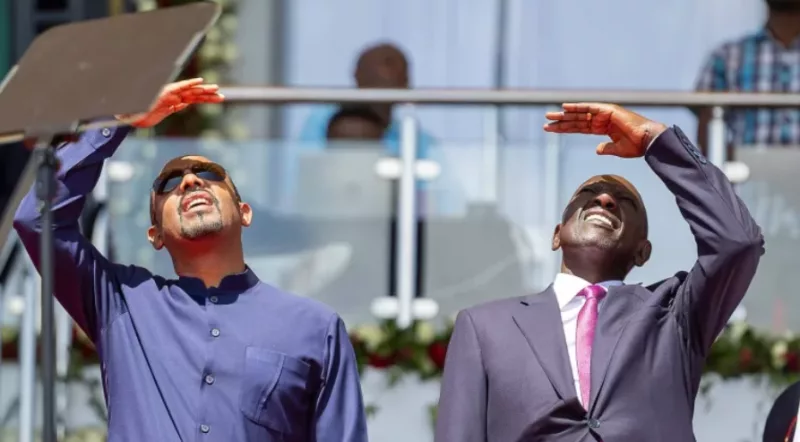
In its wake, Raila Odinga, now working with President William Ruto in the broad-based government, led the push for a party-led elections management.
Together with the civil society, they created an Inter-Parliamentary Party Group reforms platform but Kanu still had its way.
The 1997 polls were marred by incidents of disenfranchisement, igniting vibrancy among the opposition members for further agitation.
After Uhuru lost to the organised opposition, which united behind Mwai Kibaki to end the 24-year Kanu reign, a new reform push ensued.
This time, the constitution change clamour, which was among the pillars of President Kibaki’s campaign, culminated in the 2005 referendum, which the government lost.
Kibaki would face reelection in 2007, whose results remain disputed to date, setting the stage for the grand coalition which midwifed the current constitution in 2010.
On its strength, the agitations have continued, leaving observers asking questions about what is not working to end the destructive protestations.
Also of notable concern is what the different groups have achieved through maandamano and whether the government’s response has been right.
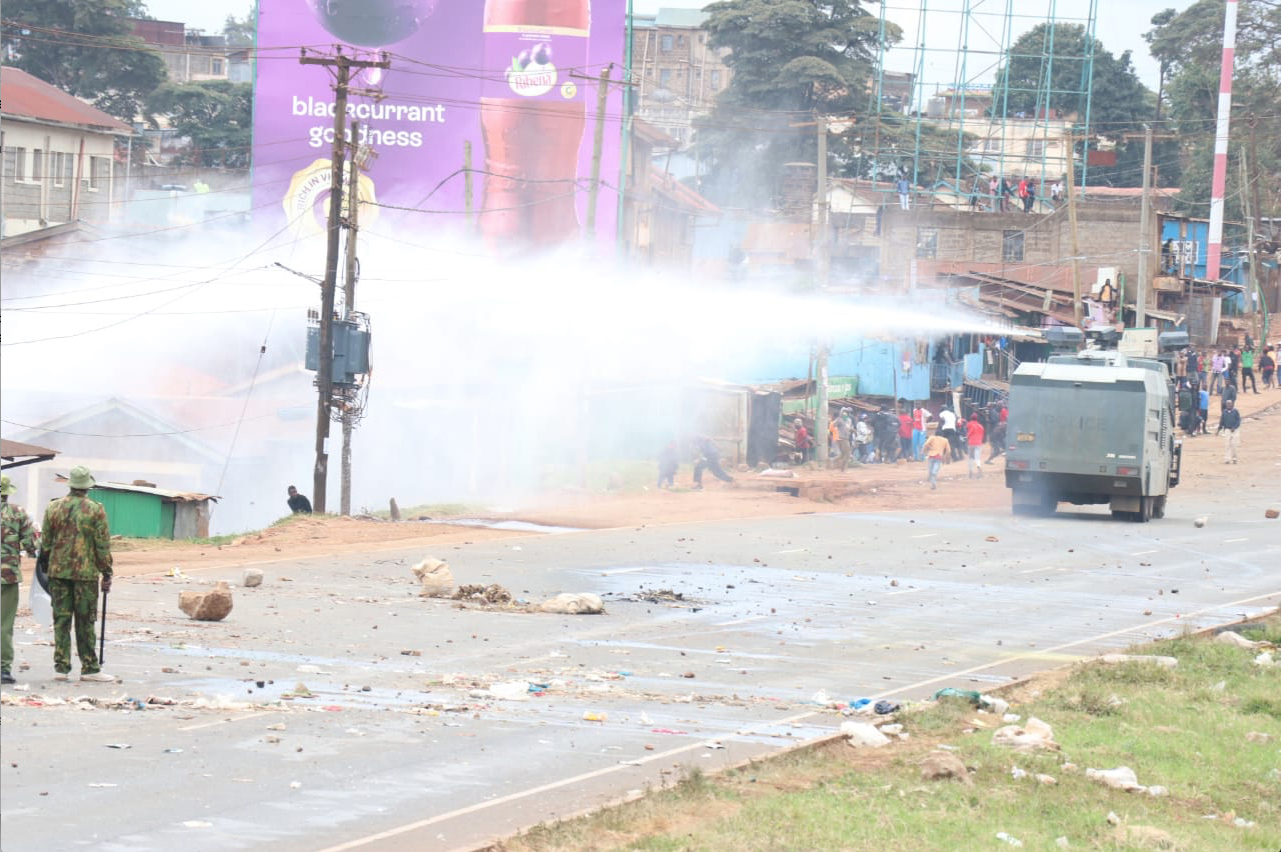
This week’s Saba Saba commemorations, marred by killings and abductions, revealed how little has changed.
Pressure groups say more than 30 were killed in the clashes between police and protesters. The police say 11 deaths were reported.
President Ruto has been heavily criticised for using a heavy hand to contain the demos, even as calls for dialogue as a sustainable way out continue to mount.
His administration is accused of taking extreme measures to respond to dissidence.
The President fought assertions that his team is reliving the Moi-era playbook, where agitators were detained without trial for days.
Activists from different eras of the revolt argue that Kenya’s protests never end because the state machinery thrives on crisis management rather than structural reform.
Their central observation is that while the issues have remained largely unchanged, the solution lies in the government’s response.
Koigi Wamwere says the demos are yet to end “because the problem that needs to be solved remains unaddressed.”
“This confrontation will persist. The means of getting rid of the confrontation lies in solving the problem,” he told the Star in an interview.
For the human rights activist, journalist and writer, protests are perennial since the country is yet to identify the right problem that needs to be solved.
He cited the problems to include bad leadership, corruption, wrong systems – capitalism and negative ethnicity.
“If you have the wrong problem, you may not get the right solution. This is why the problem hasn’t fizzled. Capitalism isn’t addressing the problem,” he said.
The 2007–08 post-election violence, which left over 1,100 dead, exposed the lethal cost of electoral disputes and elite power struggles.
A decade later, protests against corruption and police brutality under Uhuru Kenyatta’s administration echoed the same issues.
While the opposition’s co-optation into government has repeatedly defused momentum, there is no end in sight for the cyclic wave of the upheavals.
Wamwere, who served as MP in the 1980s, is hopeful that “Kenya will succeed at some point, just like Burkina Faso is now getting it right in its ideology.”
“We keep using the wrong approaches. For instance, we must fix leadership. Anyone can be given a chance, but not people with tainted records.”
“Without the right leadership, we are going to get it wrong. We can conclude that there is no need for elections if they can’t give us the right leaders,” Wamwere said.
Rights Activist Boniface Mwangi says there is nothing wrong with protests, but the government’s response.
“The government thinks we are back in the 1990s when they responded to protests with violence and brutality, that will not work,” he said.
The government has failed to listen to the voice of the people, pointing a finger at the Kenya Kwanza administration for having a link to the chaos.
“The violence serves the interest of the state. If not, why don’t we see these looters arrested? When the violence happens, it benefits the president,” Mwangi said.
For the activist, the anger is based on genuine issues, and “you cannot drown people’s anger with bullets, teargas and batons.”
Mwangi says the country has made progress following the upheavals. “It has turned everyone into a civic educator. Before, people didn’t care, but now they have been awakened.”
“It has made young people see the importance of voting and what started as a political moment has become a political movement for regime change,” he said.
Suba Churchill said the current protests are not definite because they are unlike the past ones, 'which have been mainly motivated by political causes'. He says the powers that be have always found it easy to reach out to the agitating political figures for a truce and a negotiated political solution.
“This is what veteran opposition leader Raila Odinga has had the most handshakes for, and they are largely political.”
Churchill says the current protests have an economic angle to them hence cannot be fixed quickly, as is the political solution.
“The looting and destruction of property point to the economic angle to the agitations. You cannot prescribe political solutions to the generation that is protesting now.”
On whether progress has been made, the lobbyist says the answer is two-pronged; yes, in authorities responding, and no on the claw back of some of the steps already made.
Ruto’s 2022 election, resulting from his campaign as a ‘hustler’ defender, initially sparked hope, until the government proposed the Finance Bill 2024.
The legislative proposal was deemed a heavy tax measure and ignited the most widespread protests ever seen.
For pundits, Ruto’s debacle is that the current movement is leaderless, multi-ethnic and digitally savvy, and powered by the fury over unemployment, corruption and state violence.
They hold that while the protests mirror the 1990s’ defiance, they send the message that addressing the root causes is the way out.
The grievances, including economic exclusion, police impunity, and elite capture, resurface with each generation, repackaged but unresolved.
"So much has happened since our arrest; actually abduction, detention, but not much has changed," lawyer and political activist Gitobu Imanyara said.