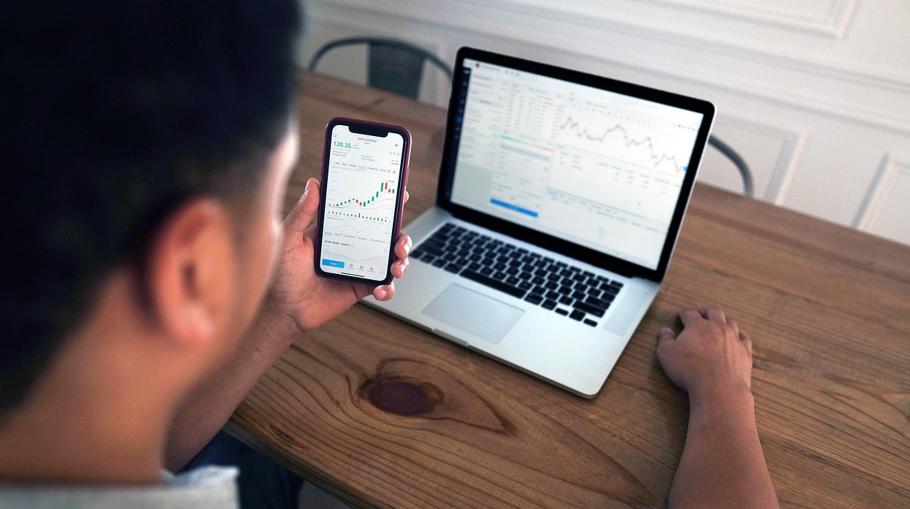
Kenya’s online trading landscape has evolved rapidly over the last decade, drawing thousands of new participants looking to diversify their income streams. Yet as participation grows, so does the need for disciplined due diligence.
A single misstep, such as depositing funds with an unlicensed intermediary, can lead to irretrievable losses, frozen accounts or prolonged legal disputes. Before you fund that first live account, take a step back and map out the regulatory guardrails designed to keep your capital safe.
Many of the best forex brokers in Kenya now promote their compliance status front and centre because they understand how seriously Kenyan traders take regulation.
When choosing among them, however, don’t rely on marketing banners alone; confirm every promise against publicly available records and independent audits.
Know your regulator: the Capital Markets Authority
The Capital Markets Authority (CMA) is the statutory body responsible for licensing and supervising online forex brokers that target Kenyan residents. Established under the Capital Markets Act Cap 485A, the CMA’s mandate is to foster fair, efficient and transparent markets while protecting investors from malpractice.
Brokers that hold a CMA Online Foreign Exchange Trading license must satisfy stringent requirements regarding ownership structure, governance, disclosure and client-fund protection. The Authority maintains an online register of approved entities.
Verify the license: Don’t just take their word for It
A legitimate broker will share its CMA license number at the bottom of its homepage and within account-opening documents. Copy that number and cross-check it against the CMA’s Licensing & Approvals page.
The register lists the licensee’s legal name, authorised trading services and any conditions placed on its operations. If the name or number is absent or appears under ‘Suspended’, then walk away. Remember, offshore licenses alone (for example, from Cyprus or Mauritius) do not authorise the firm to solicit clients living in Kenya.
Client money segregation and local custody
CMA-licensed brokers must hold client deposits in segregated trust accounts at Kenyan-regulated banks. This separation ensures your trading balance is shielded from the broker’s operating liabilities and cannot be claimed by other creditors in the event of insolvency. Ask prospective brokers to identify their client-money bank and request proof of segregation. Reputable firms will provide letters of assurance from the bank or their external auditor.
Consumer-protection channels
Should a dispute arise, such as slippage beyond agreed bounds or a withdrawal delay, the CMA requires brokers to maintain an internal complaints desk that responds within seven working days. If the issue remains unresolved, traders may escalate to the Authority’s Investor Compensation Fund (ICF) division, which may mediate or, in extreme cases involving fraud, arrange partial reimbursement from the Fund.
Keep records of trade logs, emails and bank statements; robust documentation strengthens your case during arbitration.
AML and KYC compliance
Kenya’s Proceeds of Crime and Anti-Money Laundering Act obliges brokers to verify every client’s identity and source of funds before activating live trading.
Expect to submit a copy of your national ID or passport, a selfie for facial recognition, and a recent utility bill or bank statement proving residence. A credible broker will also:
● Reject
cash deposits or transfers from third-party accounts
● Report
suspicious transactions exceeding the Financial Reporting Centre (FRC)
thresholds
● Enforce tiered withdrawal limits until enhanced due diligence is complete
Overly relaxed onboarding is a red flag, not a perk.
Technology and data security audits
CMA guidelines compel brokers to subject their trading infrastructure to annual penetration tests conducted by independent cybersecurity specialists. The resulting attestation should confirm encryption of data in transit and at rest, robust firewalls, and redundant servers hosted within Tier-III or better data centres.
Before committing to a platform, ask for the latest audit summary and verify the testing firm’s accreditation.
Capital adequacy and financial reporting
Under current CMA rules, a non-dealing online forex broker must maintain a minimum paid-up share capital of KES 50 million, submit quarterly capital adequacy reports and publish audited financial statements within four months of the fiscal year-end.
Adequate capital cushions the firm against sudden market shocks such as a flash-crash in the shilling and reduces the probability of negative balances being passed on to clients. Skipping over these disclosures suggests the broker is either under-capitalised or unwilling to operate transparently.
Complementary global oversight
While a Kenyan license is non-negotiable, an additional tier-one international authorisation (from the FCA in the UK or ASIC in Australia) signals that the broker meets even tougher conduct and reporting standards. Dual-regulated brokers must comply with the stricter of the two regimes, offering you layered protection.
Confirm the foreign license directly on the overseas regulator’s portal and ensure the broker’s trading name matches across jurisdictions.
Final thoughts
Trading currencies can be both exhilarating and lucrative, but it remains a high-risk endeavour, especially if you entrust your funds to an unvetted intermediary. By systematically ticking off each regulatory checkpoint, such as license verification, client-fund segregation, dispute-resolution pathways, AML/KYC robustness, cybersecurity certification, and capital adequacy, you transform due diligence from a box-ticking exercise into a protective moat around your capital.
Kenya’s regulatory framework is comprehensive, yet its safeguards activate only when traders choose to operate within it. Commit to that framework, and you position yourself not just to trade but to trade with confidence.