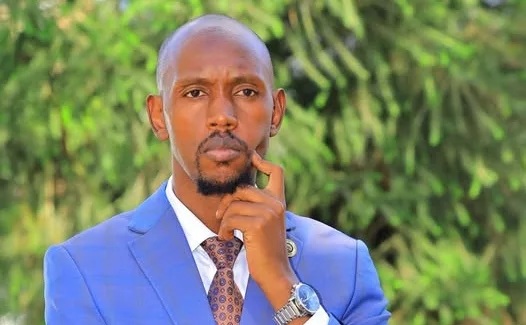
Kenya is deeply mourning the loss of Chief Kadhi Sheikh Abdulhalim Athman Hussein, a revered figure whose life and service significantly impacted the country's religious and judicial landscape.
His brother Sheikh Abubakar Athman told Daily Nation that he died at his home in Tudor, Mombasa.
His passing in Mombasa has triggered an outpouring of grief and tributes from across the nation.
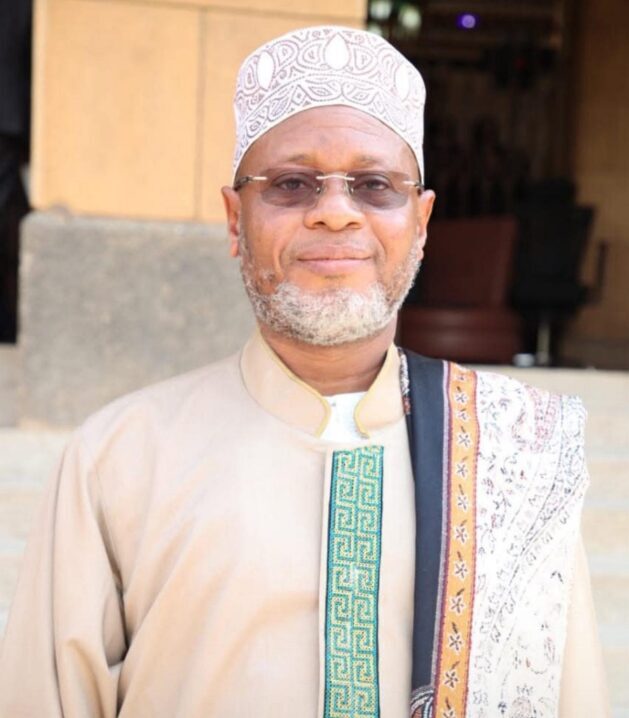
Here are quick facts about the esteemed leader:
Academic Excellence
Born in 1970 and raised in Malindi, Sheikh Abdulhalim attended Watamu Primary School and later Malindi High School.
He later pursued extensive Islamic studies, culminating in a prestigious degree in Islamic Shariah (Law) from the renowned Al-Azhar University in Cairo, Egypt.
This foundational education equipped him with a deep knowledge of Islamic jurisprudence.
Decades of Judicial Service
He dedicated nearly 20 years to the Kenyan Judiciary. His career was marked by a steadfast commitment to justice and fairness within the Kadhi's courts.
In July 2023, Athman was appointed by the Judicial Service Commission (JSC), from among five candidates shortlisted for the position.
He replaced Sheikh Ahmed Mudhar who retired at the age of 60 after serving as the head of the country’s Kadhis’ courts for 12 years
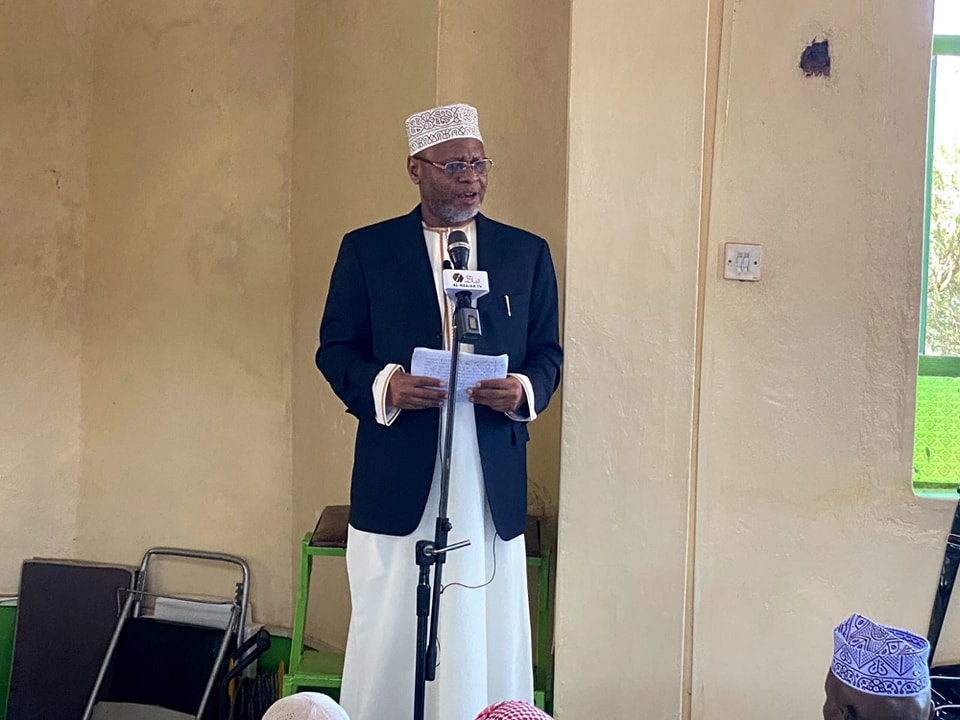
Highest Muslim Judicial Authority
As the Chief Kadhi of Kenya, he held the highest-ranking judicial position for the Muslim community. In this capacity, he presided over cases related to Islamic law, including matters of marriage, divorce, and inheritance.
Spiritual Guide
Beyond his legal responsibilities, he served as a profound spiritual guide, offering counsel and direction to thousands of Muslims across the country. His wisdom and calm demeanor were widely respected.
Council of Scholars
He was an active and influential member of the Majlis of Ulamaas (Council of Scholars) at Jamia Mosque Nairobi, where he contributed significantly to guiding the faithful on doctrine, morality, and social conduct.

Advocate for Unity
Sheikh Abdulhalim's teachings often transcended religious boundaries, influencing national discourse on unity, peace, and interfaith dialogue. He was seen as a bridge-builder among different communities.
The nation's mourning began swiftly upon the news of his death, confirmed by Jamia Mosque Nairobi through official statements on social media. Tributes immediately flooded various platforms, reflecting the profound impact he had on countless lives.
Religious leaders, political figures, and ordinary citizens have all expressed their condolences, praising his integrity, humility, and unwavering spiritual leadership.
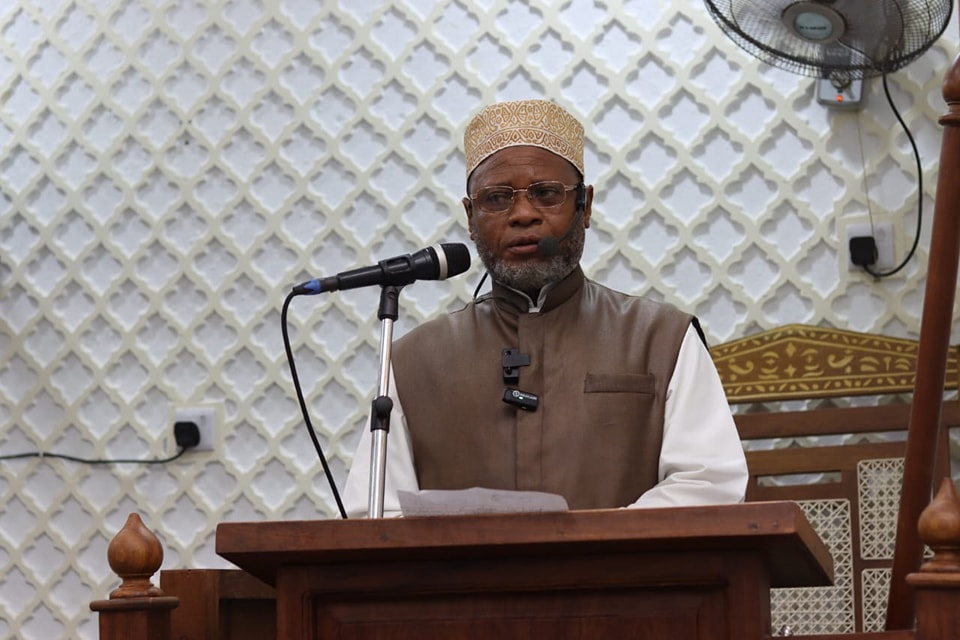
The family confirmed to that prayers would be conducted in the afternoon of Thursday, July 10th, at Nuru Mosque in Bondeni, followed by burial shortly after at Kikowani Muslim Cemetery in Mvita Constituency, Mombasa County.
His passing marks the end of an era and leaves a significant void in Kenya’s religious and legal institutions.