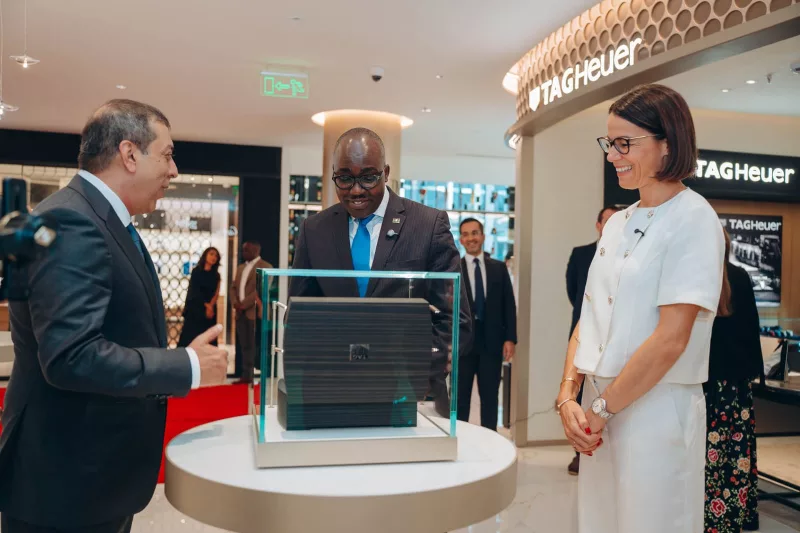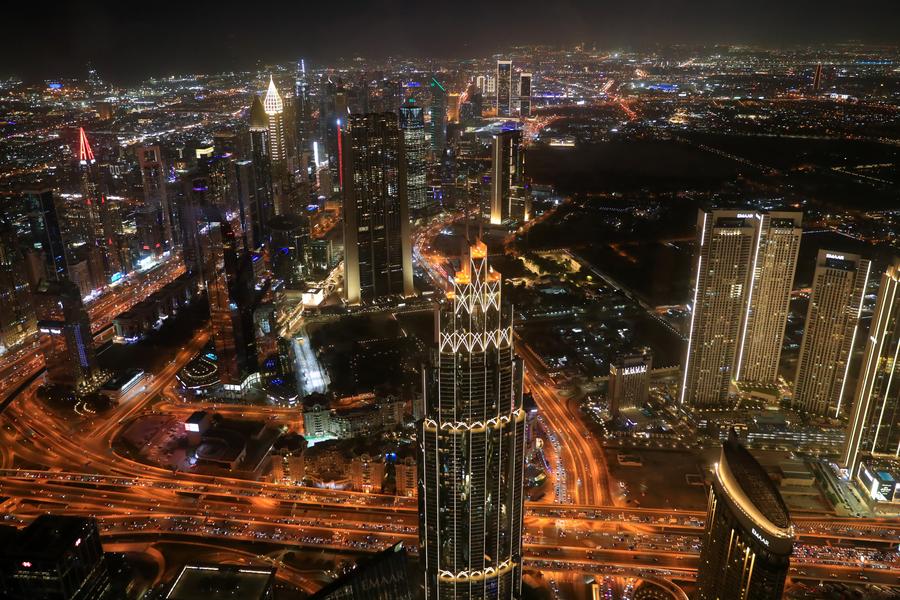
Dubai’s glittering skyline, luxury malls, and five-star hotels are proving irresistible to Kenyan county officials.
MCAs and county executive committee (CEC) members are flocking to the Gulf city in droves, making it the most visited international destination for servant leaders.
The comprehensive expenditure report, compiled by Controller of Budget Margaret Nyakang’o, reveals a pattern of high-end foreign travel, as well as domestic trips intended to benefit residents.
In nine months between July 2024 and March 2025, delegations from at least 24 counties jetted off to the glitzy UAE metropolis, spending millions of shillings in travel expenses.
Some counties were particularly drawn to the Middle East magnet famous for shopping and high-end tourism. They dispatched as many as eight separate delegations to Dubai within just nine months — equivalent to nearly one trip every five weeks.
In Lamu county, the assembly alone sent eight separate missions to Dubai.
Of the 10 foreign trips declared by the assembly, only two were to destinations outside Dubai —Tanzania and France.
The findings have ignited fierce debate about the necessity and productivity of these excursions. Critics question why a single foreign city has become such a magnet for county officials.
While Dubai dominates the list, other popular destinations include regional neighbours such as Uganda and Tanzania, as well as distant destinations such as the United States, United Kingdom, Singapore, and Türkiye.
A broader analysis of travel patterns reveals a globe-trotting trend. Frequent visits were logged to Egypt, South Sudan, Ethiopia, Brazil, Malaysia, and European nations, including Germany, Switzerland, and Italy.
The cumulative cost of these international jaunts? About Sh1.29 billion from public coffers — funds that watchdogs say could have been channelled towards pressing local development needs.
The CoB’s revelations come amid mounting public frustration over perceived government extravagance, particularly as ordinary citizens grapple with economic hardships.
Even more striking, Sh9.33 billion was spent on domestic travel by county executives and MCAs.
In total for the period, public servants spent Sh10.62 billion on domestic and international trips —18.67 per cent of the Sh56.87 billion spent on development projects by 47 counties.
Counties sending delegations to Dubai included Baringo, Bomet, Bungoma, Busia, Garissa, Kericho, Kiambu, Kisumu, Kwale, Lamu, Machakos and Mandera.
Others were Marsabit, Mombasa, Nairobi, Nakuru, Nandi, Nyeri, Samburu, Tana River, Trans Nzoia, Vihiga, and West Pokot.
The findings have intensified public scrutiny of the effectiveness and accountability of these trips amid persistent concerns over service delivery and prudent spending of public funds.
Back to Lamu. In total, Sh60.06 million was spent by the assembly on Dubai trips.
In September 2024, 14 officials travelled to Dubai for two weeks, spending Sh14.14 million to attend a forum on legislatures’ role in influencing government policy.
In January 2025, 12 MCAs spent Sh12 million on a capacity-building training on parliamentary practices and procedures.
In another trip, nine officials spent Sh9.30 million on training in legislative practices and management responsibility.
A separate delegation of nine officials attended an 11-day training on Public Policy Design and Management in November 2024, costing Sh7.28 million.
Later the same month, six officials spent Sh6.09 million to attend a forum on the Role of Legislation in Audit Committee Programmes.
Other delegations travelled to Dubai in August, September, November, and December on similar training themes.
Overall, Lamu county spent Sh155.55 million on travel — Sh79.46 million on domestic trips and Sh76.09 million on foreign travel. The Controller of Budget’s report breaks this down further.
“Expenditure on foreign travel amounted to Sh76.09 million and comprised Sh75.74 million by the county assembly and Sh348,981 by the county executive.”
Machakos county spent about half a billion shillings — Sh488.21 million — on domestic and foreign trips, with the county executive sending seven delegations to Dubai and two to Brazil.
Others from Machakos travelled to the US, Tanzania, the UK, Rwanda, Qatar and Albania.
In December last year, five executive county officials attended a strategic management programme training in Dubai for 11 days, spending Sh5.94 million.
In January, four officials attended training on Strategic Organisation Change Management in the Public Sector for about two weeks in Dubai. They spent Sh3.77 million.
In yet another trip, two officers attended the Arab Healthcare Conference in Dubai, spending Sh1.57 million. Another two officers attended the Institute of Certified Public Accountants of Kenya (ICPAK) Leadership Summit in the same city in March, spending Sh1.03 million.
“Expenditure on foreign travel amounted to Sh88.22 million and comprised Sh30.55 million by the County Assembly and Sh57.68 million by the County Executive,” according to the report.
In Mandera county, the assembly spent Sh20.33 million on four separate delegations to Dubai between June 2024 and February 2025.
In February 2025, eight officials spent Sh7.30 million on a workshop on public participation and stakeholder engagement in the budget process.
Earlier that month, seven officials spent Sh6.48 million on a workshop on legislative roles, integrity, and leadership.
In June 2024, four officials spent Sh2.19 million attending a county budget and finance training.
The assembly also sent delegations to Morocco, Türkiye, Tanzania, India, and Singapore.
“Expenditure on foreign travel amounted to Sh25.53 million and was all incurred by the county assembly,” the report reads.
Total travel expenditure by Mandera county stood at Sh137.07 million.
In Marsabit, the assembly sent two delegations of 18 members to Dubai for training on procurement of goods, work and non-consultancy services, and public finance.
They spent Sh6.96 million.
Others went to Azerbaijan, the US and Canada. Cumulatively, the county spent Sh146.99 million on local and foreign trips.
“Expenditure on foreign travel amounted to Sh13.28 million and comprised Sh8.23 million by the county assembly and Sh5.05 million by the county executive,” the report reads.
In Meru county, the assembly sent 10 delegations to Arusha, Tanzania, over the period, while the executive sent teams to Japan, South Africa and South Sudan.
The county spent Sh308.81 million on travel, comprising Sh283.34 million on domestic and Sh25.47 million on foreign trips.
In Mombasa, out of the 10 foreign trips made during the nine-month period, six were made to Dubai and two to Singapore, one to Tanzania and another to Singapore.
The county executive, sent two delegations to the US, Japan, Türkiye and Uganda. Others went to Egypt, Spain, Turkey and South Korea.
Combined, the county spent Sh169.78 million on local and foreign travel.
“Expenditure on foreign travel amounted to Sh59.78 million, which comprised Sh32.96 million by the county assembly and Sh26.82 million by the county executive,” the report reads.
In Nairobi county, four delegations went to Dubai, three to Singapore and two to Switzerland.
In Nakuru county, seven assembly delegations travelled to Arusha, Tanzania, one to Dubai, one to Singapore and another to the UK.
“The expenditure on domestic travel amounted to Sh174.73 million. Expenditure on foreign travel amounted to Sh57.32 million and comprised Sh56.81 million by the county assembly and Sh509,292 by the county executive,” the CoB reported.
In Nandi, the county assembly sent two delegations to Rwanda, two to Dubai, and two to Uganda. Others went to Türkiye and the UK.
In Nyeri, the county executive and assembly sent five delegations to Dubai, four to Singapore and 11 to Arusha, Tanzania.
“Expenditure on foreign travel amounted to Sh55.61 million and comprised Sh50.27 million by the county assembly and Sh5.35 million by the county executive,” the report reads