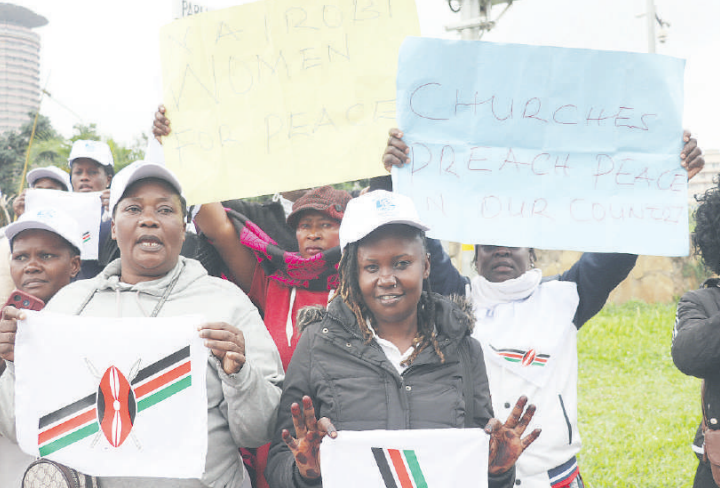
President William Ruto and security agencies are facing a renewed test of leadership as Gen Z youth and human rights activists plan fresh demonstrations to mark Saba Saba Day.
The anticipated protests come amid warnings from Nairobi politicians, cautioning the youth against being manipulated by political figures.
Mobilisation for the protests has gained momentum online, spearheaded by anonymous Gen Z leaders and activist groups using hashtags like #SabaSaba2025 and #SabaSabaRevolutionDay, urging Kenyans to take to the streets in solidarity.
One of the viral posters reads, “Saba Saba maandamano. Beba maji, simu and flag. [Saba Saba protests. Carry water, a phone and a Kenyan flag]." Another one reads, “Saba Saba. Zakayo, resign with your puppets.”
Saba Saba commemorates Kenya’s historic 1990 pro-democracy movement that ushered in multiparty democracy.
This year, the event is fueled by a youth-led digital revolution demanding government accountability and economic justice.
The demonstrations come less than two weeks after Gen Z protests on June 25, during which protesters stormed Parliament.
At least 19 people were killed in police shootings, adding to more than 60 deaths from similar incidents last year. Several police officers are now facing court trials related to the killings.
With public scrutiny mounting over use of force, attention is on Ruto and Inspector General of Police Douglas Kanja on how upcoming protests will be handled.
Past demonstrations have been marred by chaos, including looting, arson and destruction of public and private property. Police stations, vehicles and court buildings were among those targeted.
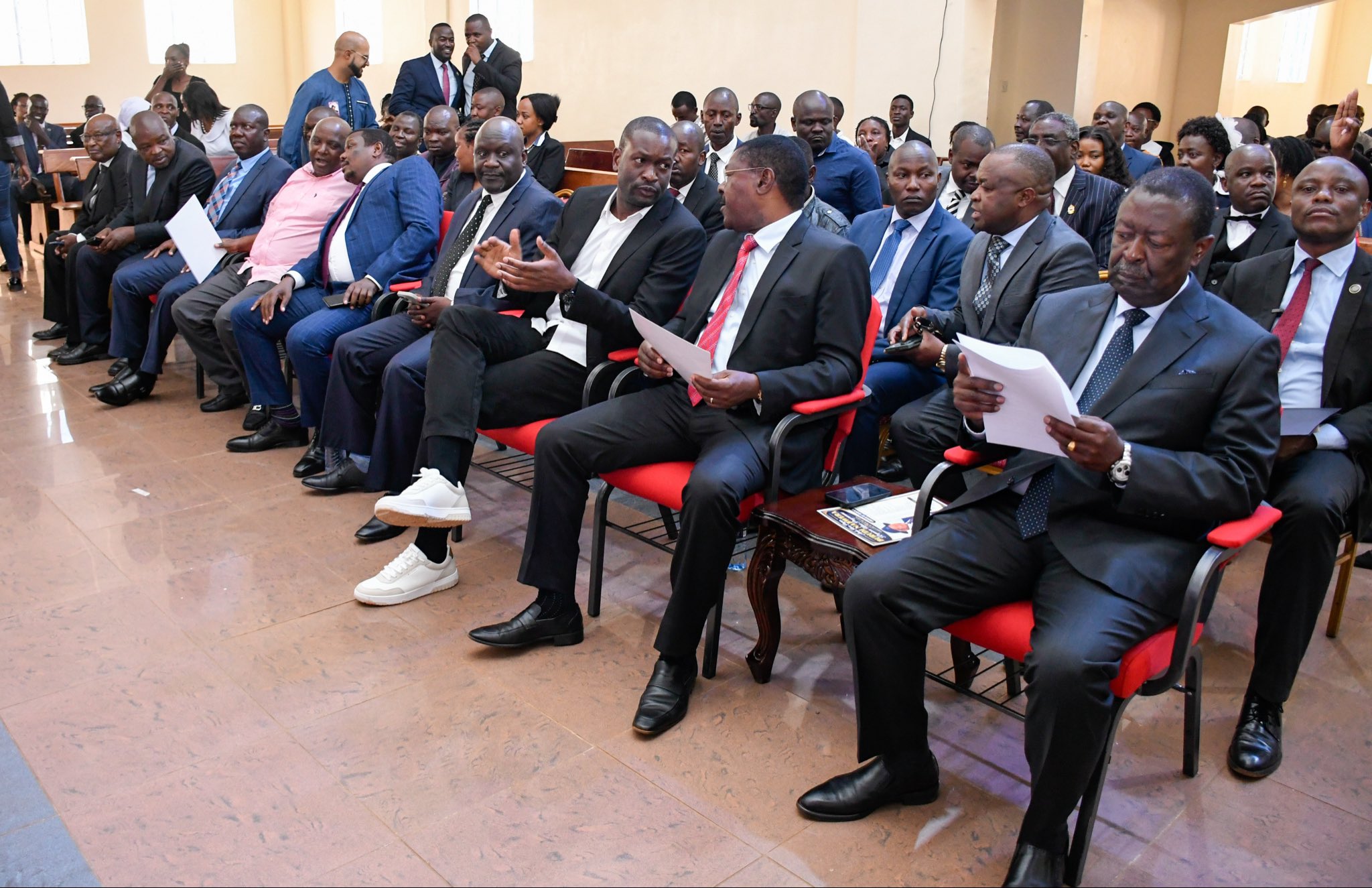
In Nairobi, several MPs warned that protests—initially driven by genuine concerns—are now being infiltrated by criminal elements and politicians seeking to exploit the situation.
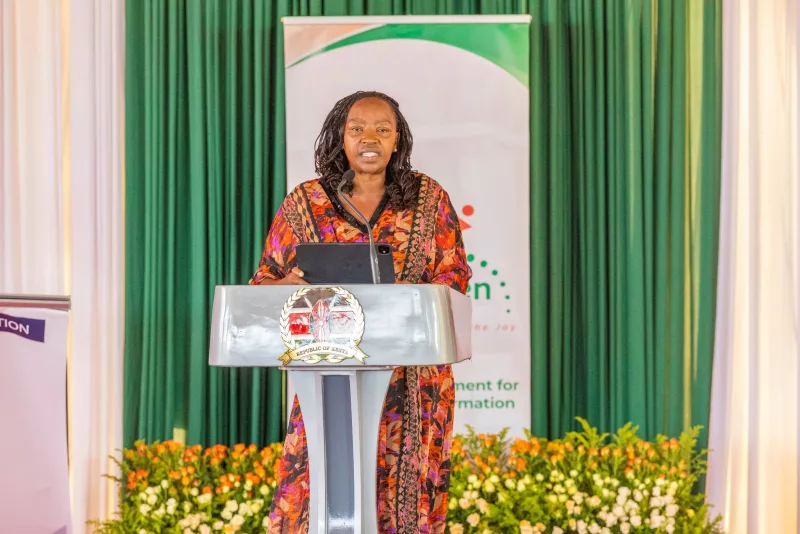
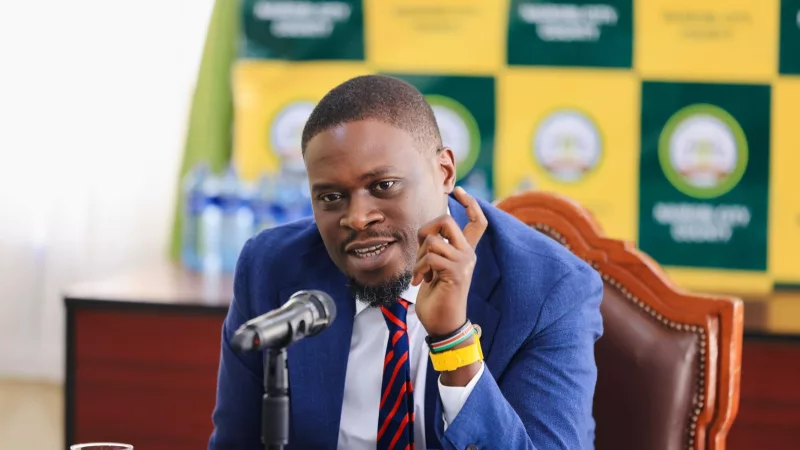
The legislators—George Aladwa (Makadara), Felix Odiwuor “Jalang’o” (Lang’ata), Esther Passaris (Nairobi Woman Rep), Tabitha Mutinda (Nominated Senator), and Karen Nyamu (Nominated Senator)—voiced their concerns in a joint statement read by Mutinda.
“What began as peaceful demonstrations have been hijacked. Shops have been looted, businesses destroyed, lives lost and now tribal rhetoric is creeping into the streets,” she said.
The MPs urged the youth to remain vigilant and avoid being used as political pawns. They also appealed to fellow leaders to prioritise unity over division.
“It’s easy to stir up chaos, but true leadership is shown through restraint, unity and responsibility."
Mutinda warned political figures against inciting division. “If your politics depends on dividing Kenyans, you’ve already failed. If your strategy is to ignite tribal hate, you have no place in leadership.”
Aladwa affirmed the right to protest and insisted on legality and peace.
“Nairobi residents and the business community deserve peace. We cannot curtail anyone’s right to demonstrate, but it must be within the law,” he said.
As ODM Nairobi chairperson, Aladwa said he would urge constituents to maintain calm and respect the rights of non-protesters.
He praised Ruto and ODM leader Raila Odinga for collaborating on development goals.
Passaris, whose proposed protest regulation bill sparked backlash, defended the legislation as a measure of maintaining national peace.
“We only have one country. My Bill is not meant to curtail freedoms,” she said, warning that foreign entities may be fueling unrest.
Jalang’o echoed these sentiments, saying the movement had been hijacked. “What started as a powerful youth movement has now been overtaken by political opportunists. The real battle is in 2027—take your votes,” he said.
Meanwhile, a group of Luo women leaders under the banner Nyinam condemned the destruction witnessed during previous demos.
“We support the right to protest, but not the destruction of women’s businesses,” said Nyinam chairperson Lydia Okoth, a nominated MCA.
“Some politicians are recruiting goons to infiltrate the protests. It takes years to build a business—don’t destroy it in minutes,” she said.
Okoth urged youth to seek dialogue with the President rather than resorting to chaos.
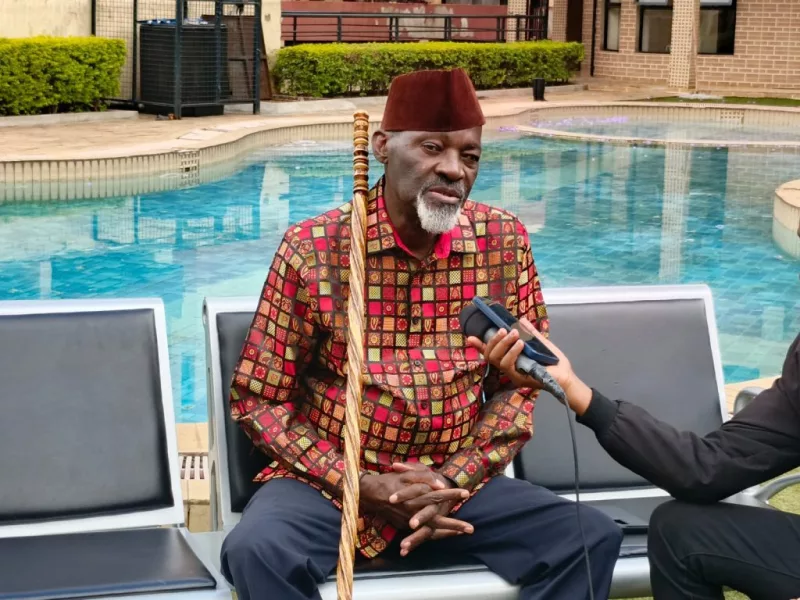
In Mombasa, human rights activist Bradley Ouna was interrogated for six hours by the DCI on Saturday over alleged plans to incite violence during Monday’s protest, claims he denied.
Ouna, who had signed the official protest notification to the police, had stated in a letter to the Central Police Station that the peaceful procession would start at 8 a.m. and end at 5 p.m., moving from Saba Saba to Mwembe Tayari, then Fontanella, and concluding with a concert at Uhuru Garden.
However, OCS Sylvester Wambua rejected the request, citing security risks.
“Our intelligence indicates that goons plan to hijack the procession and cause anarchy,” he said in a letter to Ouna.
“In the interest of peace and tourism, we must cancel the procession.”
Ouna later described himself as “the reincarnate of Kenneth Matiba” and vowed to continue fighting for a better Kenya.
He has been summoned again to the regional police headquarters on Monday at 11 a.m.