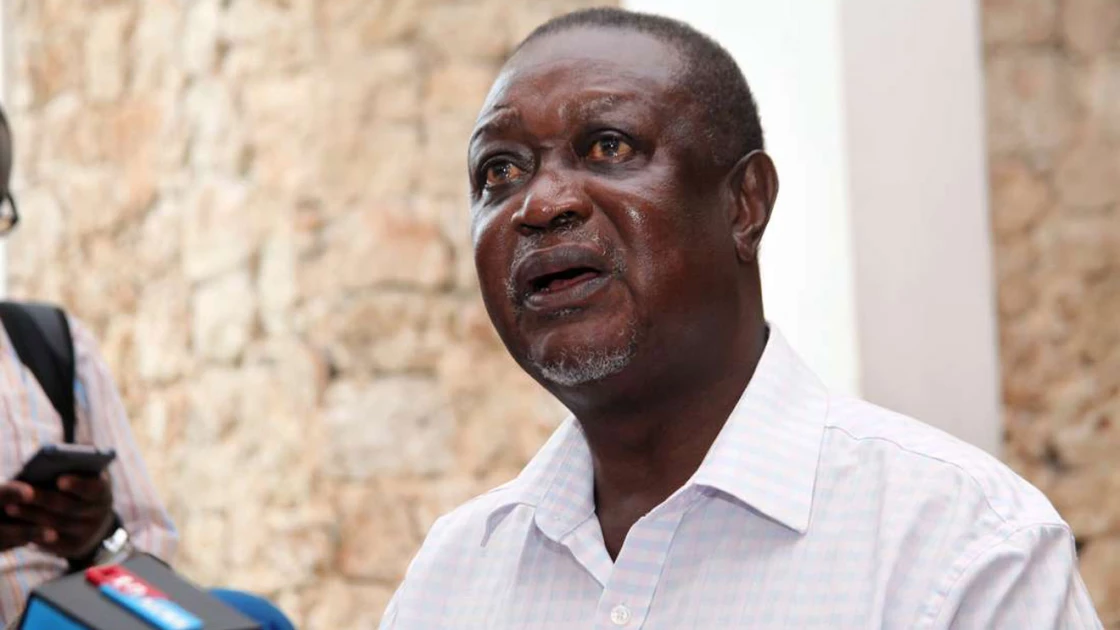
As Kenya's "Gen Z" movement continues to shape national discourse through widespread protests, Siaya senator Oburu Odinga has emerged, articulating support for the youth-led initiative while emphasizing the importance of democratic principles and the preservation of national stability.
81-year-old Oburu, identifying as a member of Gen Z, expressed strong backing for the movement, underscoring that "This country belongs to all of us as Kenyans. We don't want to destroy our country."
The speaker, a self-identified Gen Z supporter, offered crucial advice directed at the political establishment. They cautioned against the political class co-opting the movement's agenda for their purposes.
“I support Gen Z because I’m also a Gen Z. But I would like to advise that the political class does not seize the agenda of Gen Z for their purpose. Let the Gen Z put their agenda up and then let us try our best to solve the issues which are being raised by our young people without killing them."
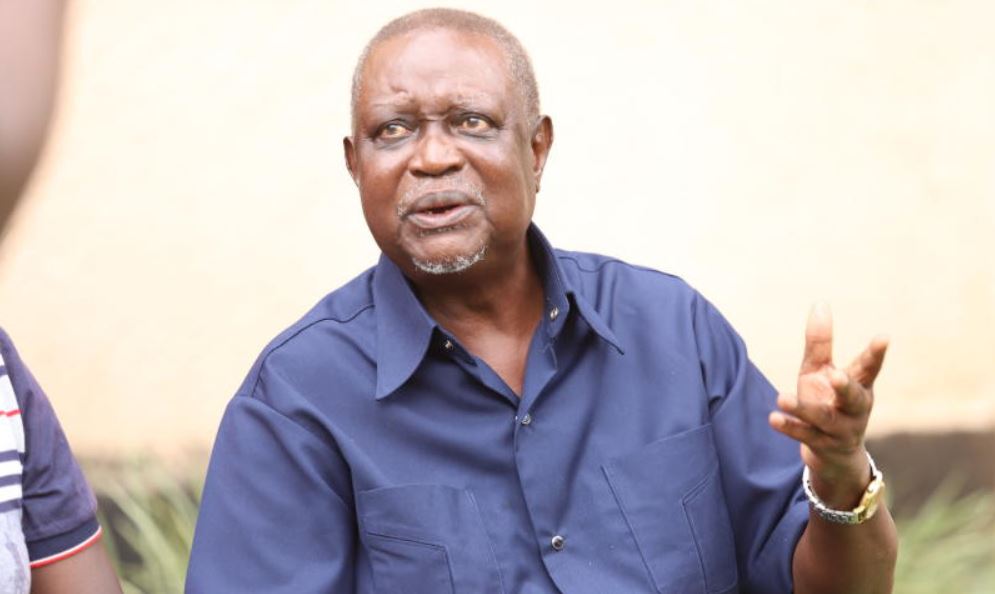
A key tenet of their message was a strong opposition to violence and destruction, stating, "We don't want our people to be killed and I cannot support the loss of life. I also cannot support the loss of property."
Furthermore, Oburu highlighted the non-negotiable importance of supporting democracy. He elaborated on the mechanics of a democratic system, noting that elections occur every five years.
"In a democratic system, there are elections which come every 5 years. If you are given a mandate to serve, you serve within the 5 years given to you by the Constitution. If you fail to serve well, the people will come up and defeat you in an election with proper arrangement for replacement,” he advised his fellow leaders.
The rise of Gen Z as a potent force in Kenya's socio-political landscape was unequivocally crystallized during the mid-2024 protests against the contentious Finance Bill. What began as online dissent quickly spilled onto the streets, spearheaded by a generation previouslyunderestimated in its capacity for mass mobilization.

Unlike traditional protest movements, this surge was largely organic and decentralized, driven by a collective rejection of policies perceived as detrimental to their economic future and overall well-being. This pivotal moment marked their transition from a digitally native demographic to a formidable voice demanding accountability and change from the political establishment.
Central to the Gen Z movement's effectiveness has been its unparalleled mastery of social media and digital tools. Platforms like TikTok, X (formerly Twitter), and Instagram became powerful conduits for organizing, disseminating information, and rallying support, bypassing conventional media gatekeepers.
Their campaigns were characterized by creative content, viral hashtags, and a rapid response to unfolding events, enabling swift coordination without a clear, centralized leadership structure. This digitally-led approach fostered a sense of collective ownership and resilience, making it challenging for authorities to target or dismantle the movement through traditional means.