More than 28,000 households in Elgeyo Marakwet County are set to benefit from the Kaptagat Integrated Conservation Programme, an ambitious initiative spearheaded by Treasury Principal Secretary Dr. Chris Kiptoo.
The programme, now entering its 9th edition, aims to restore and conserve the Kaptagat Forest ecosystem while empowering surrounding communities.
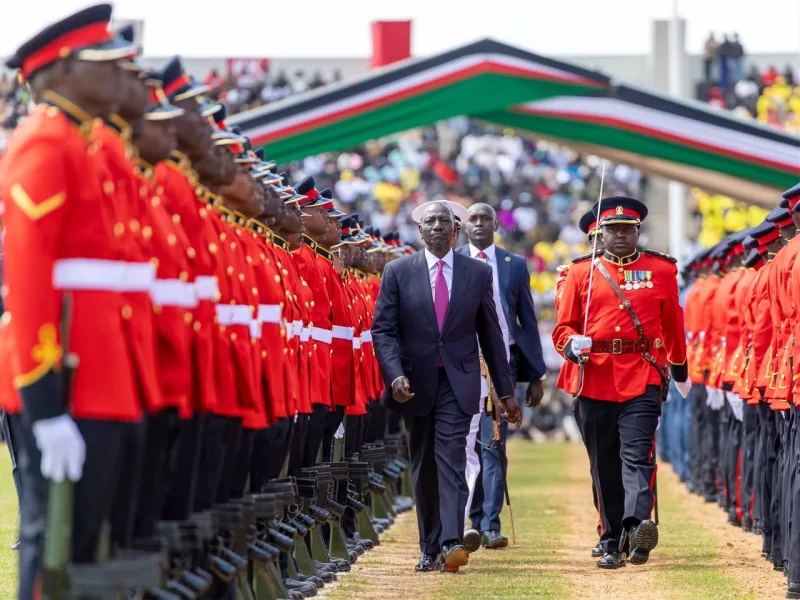
The 9th edition of the programme is scheduled for Friday, July 12, 2025, and will be graced by President William Ruto.
Dr. Kiptoo, who serves as the patron of the initiative, has earned national and international recognition for his consistent involvement in mobilising the local community and stakeholders in conservation and community development efforts.
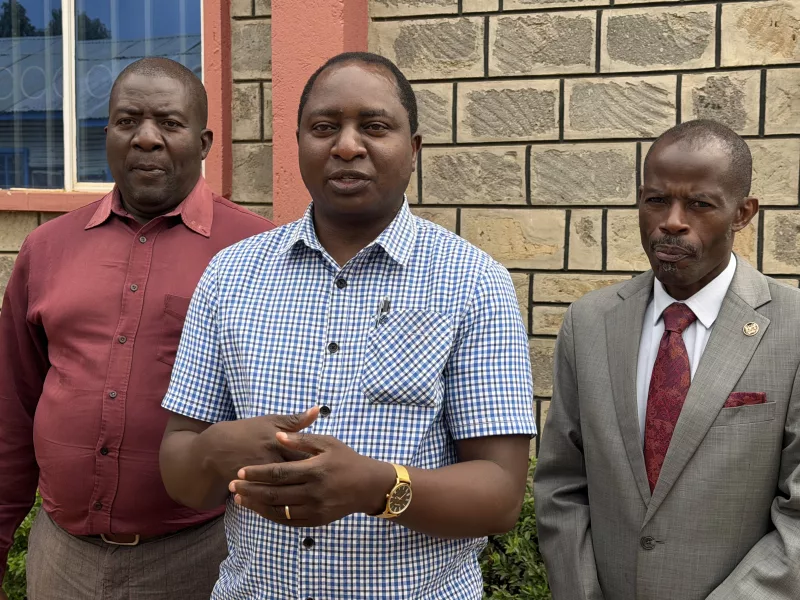
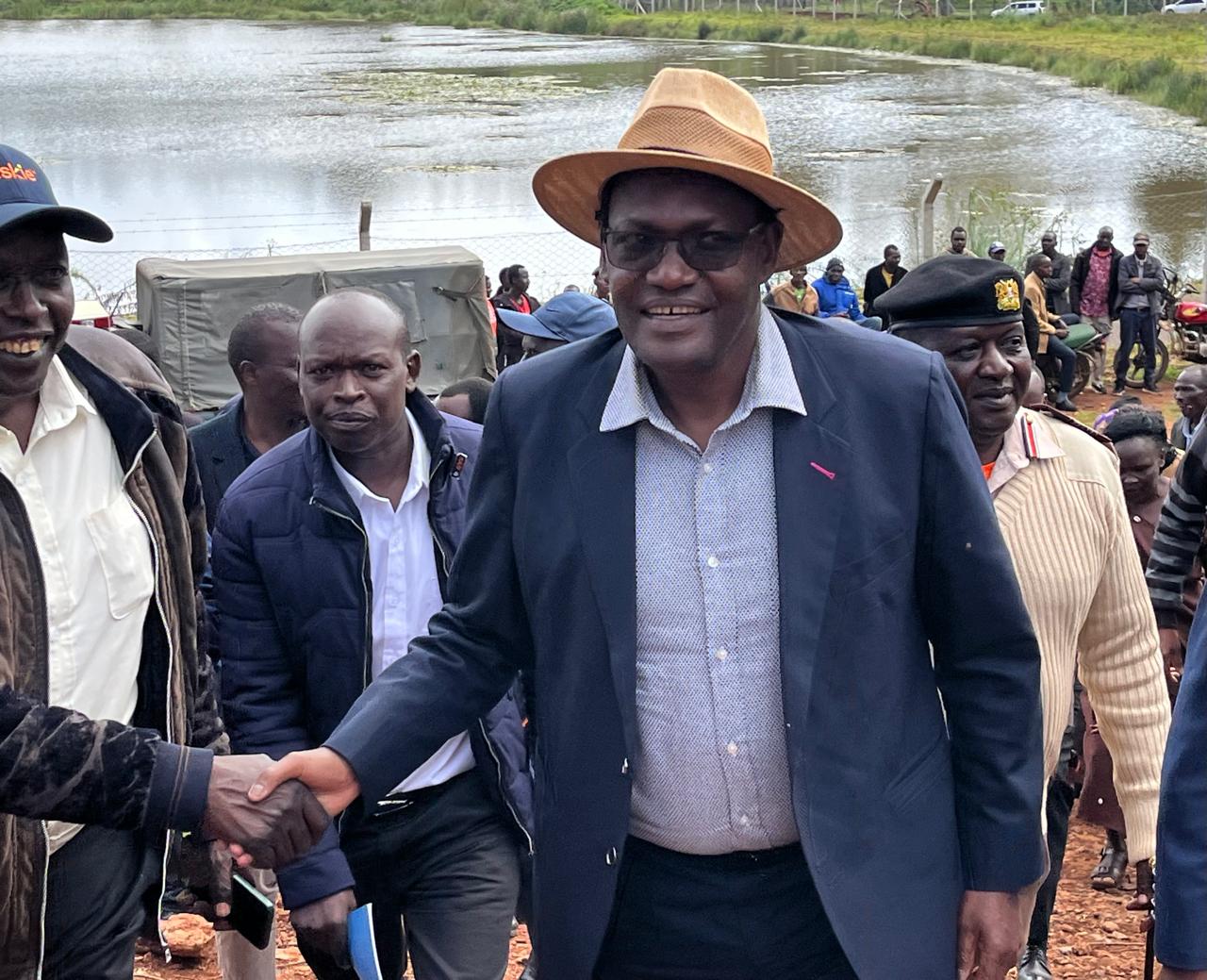
Speaking during the launch of pre-event activities ahead of the main event, Forestry Secretary George Tarus confirmed that preparations are progressing well.
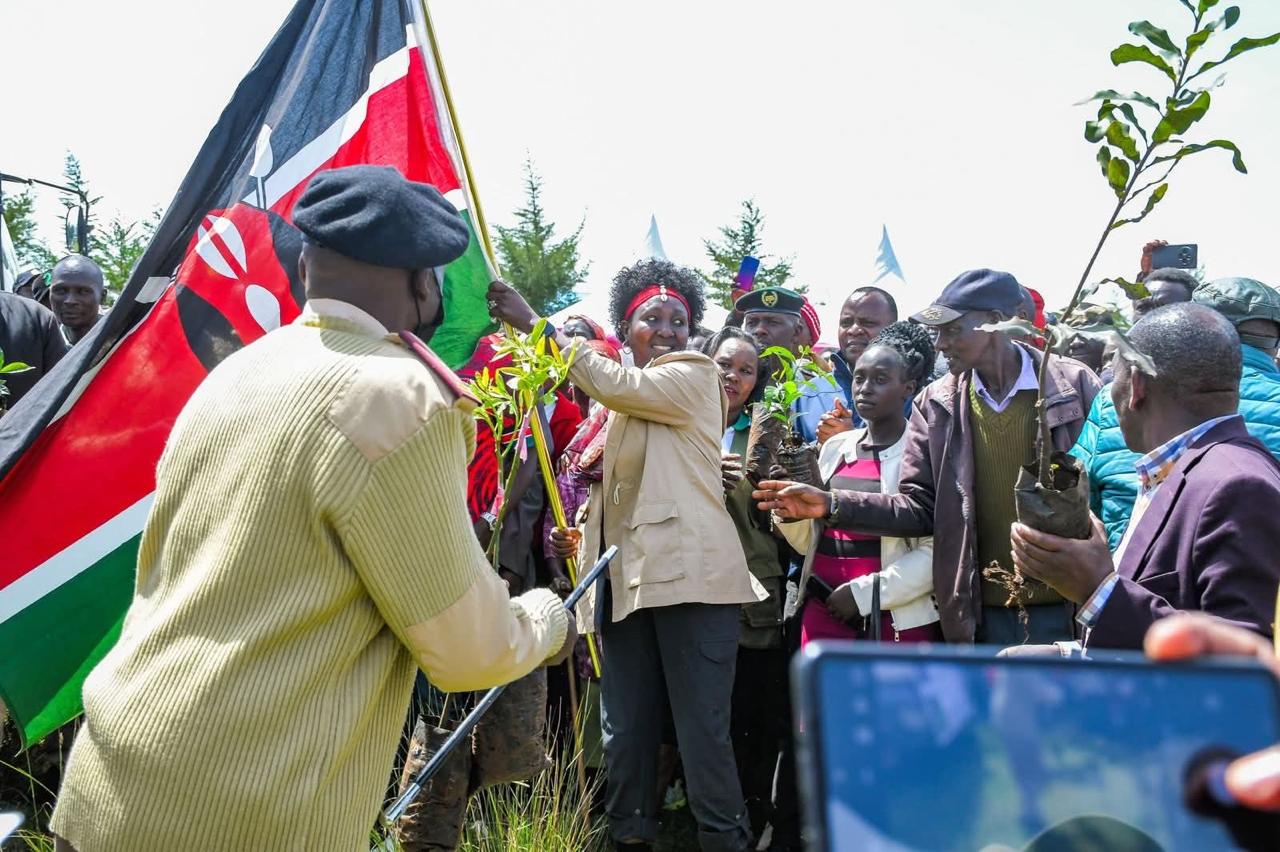
Among the key activities is the plan to plant trees on the remaining 34 hectares of degraded land within the Kaptagat ecosystem.
“We are implementing a livelihoods improvement programme alongside conservation efforts,” said Tarus.
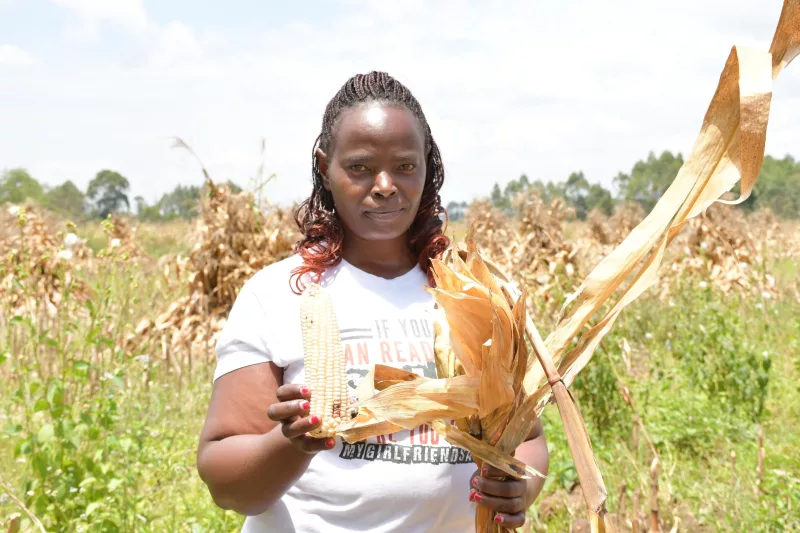
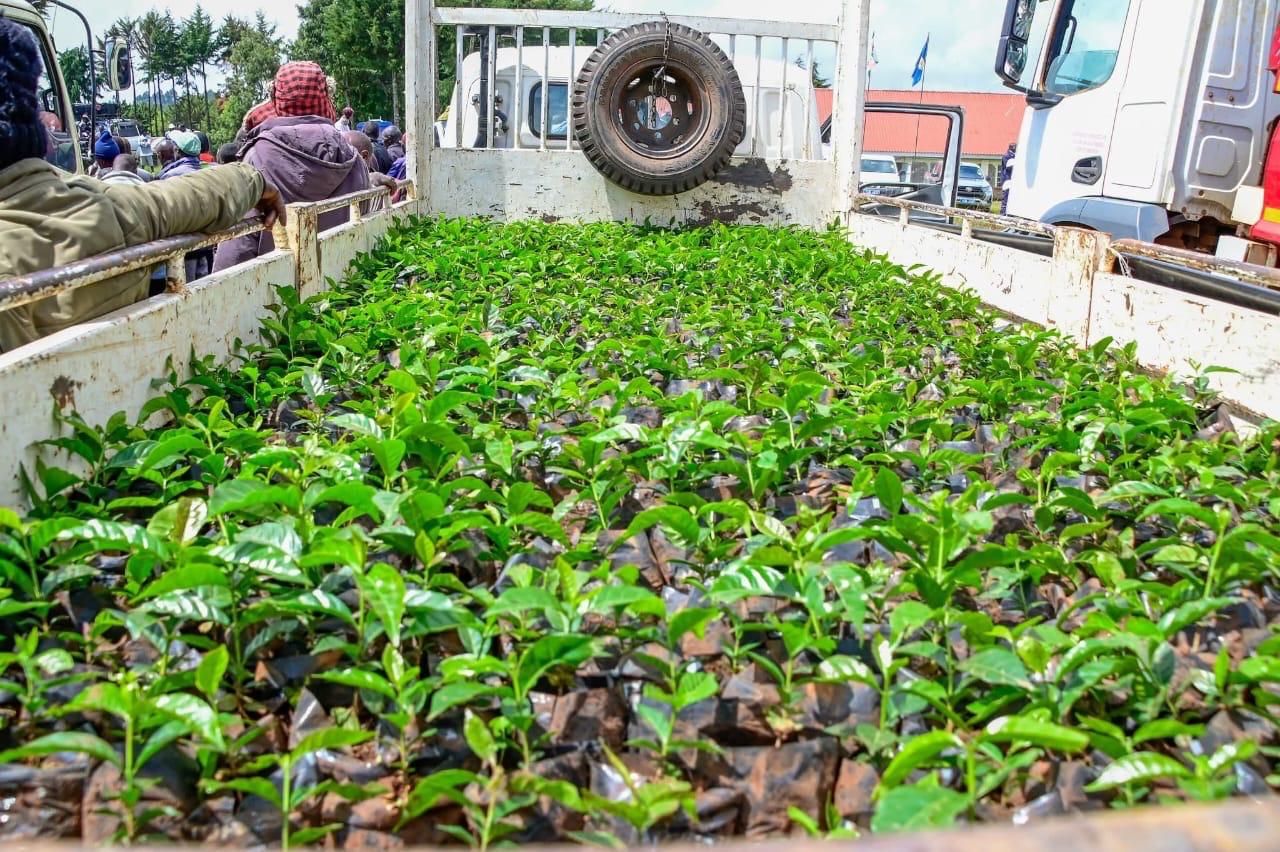
“This includes the distribution of seedlings for high-value crops such as avocado and macadamia to promote agroforestry and income generation.”
Tarus emphasized that poverty among neighboring communities is a major driver of forest degradation.
“To deal with forest degradation, we must also address poverty. That’s why the programme focuses on income-generating activities,” he noted.
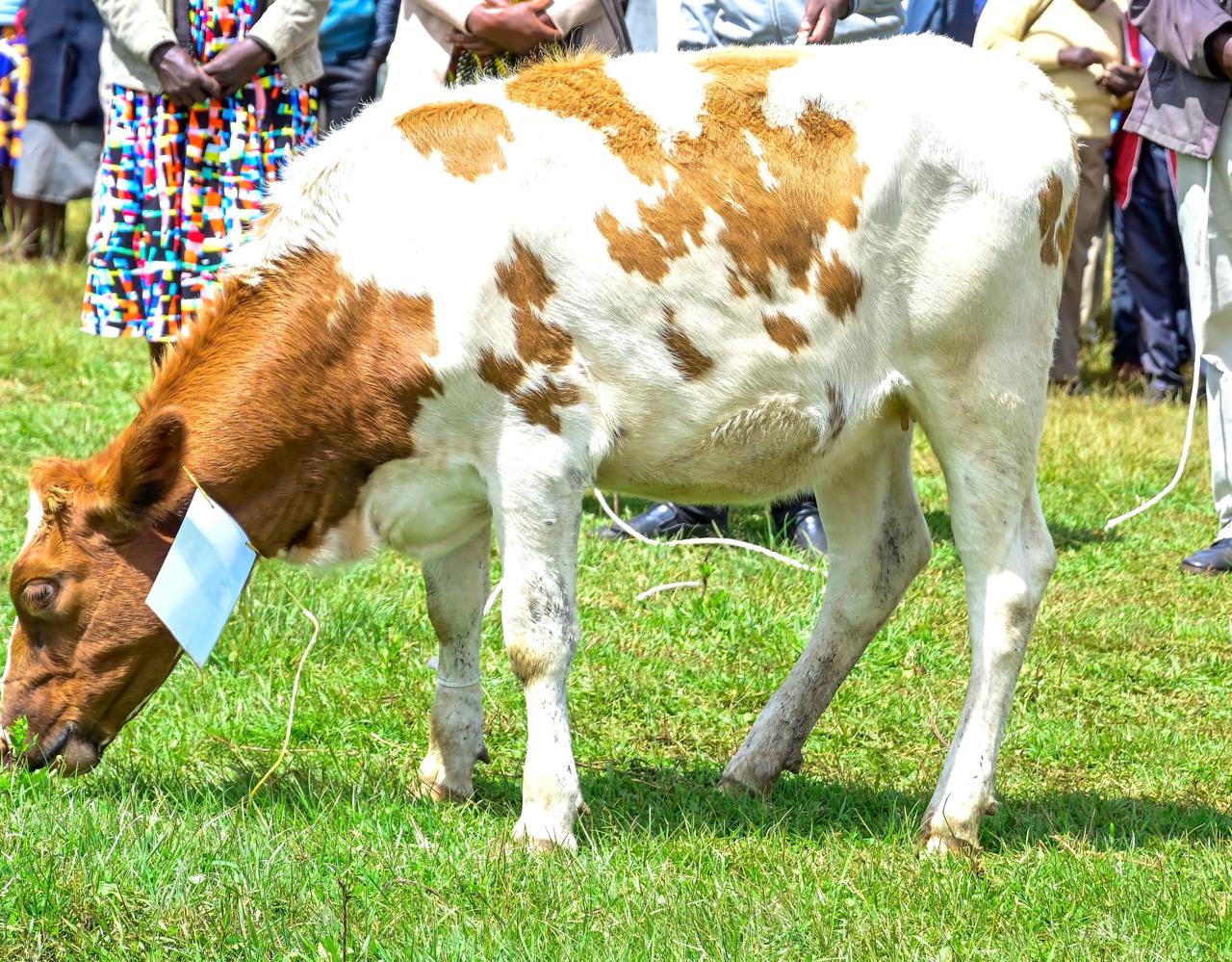
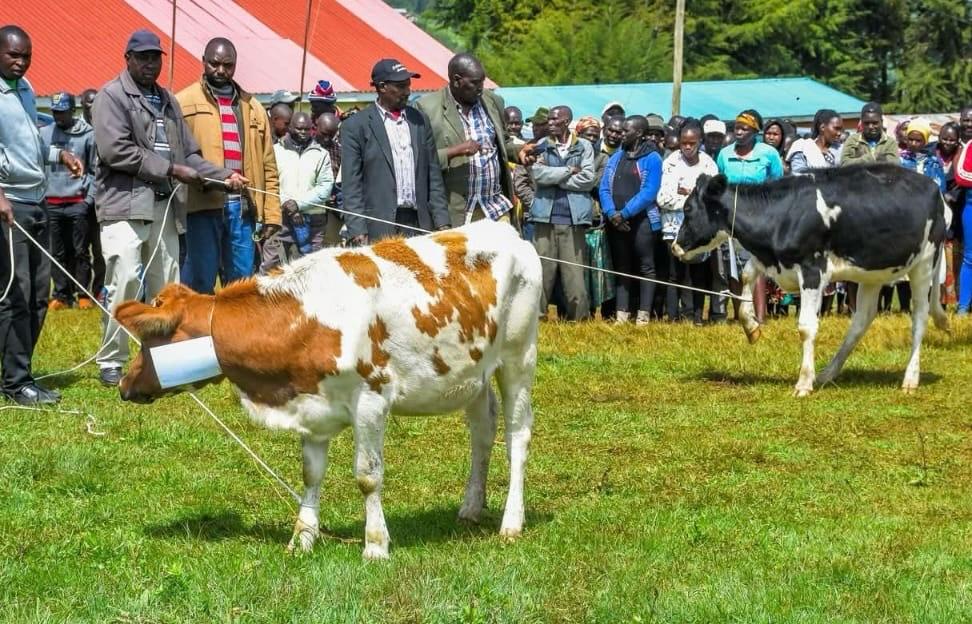
Under the current phase of the programme, households will receive support to engage in intensive dairy farming.
This includes the distribution of high-breed livestock and the establishment of fodder farms.
“We aim to ensure that each targeted household has at least an acre for growing fodder and another for cash crops within an agroforestry system,” Tarus explained.
He clarified that commercial grazing in forests is outlawed, but community members are allowed controlled access through participatory forest management agreements signed with the Kenya Forest Service (KFS).
“Local communities retain grazing rights, but these must be regulated to protect the ecosystem,” he said.
A significant component of the plan is the fencing of the 273-kilometre perimeter surrounding the Kaptagat forest.
According to Tarus, this will be done through community consultations and benchmarking trips to other conservation sites such as Mt. Kenya, Kakamega, Maasai Mau, Aberdare, and South West Mau forests.
“Fencing is critical in preserving the integrity of our forests,” Tarus stated.
“We will ensure communities understand its importance through exposure to successful models elsewhere.”
He stressed the importance of local involvement to ensure the sustainability and ownership of the project.
“For this initiative to succeed, the people must be part of it. We want the community to appreciate and support the conservation goals.”
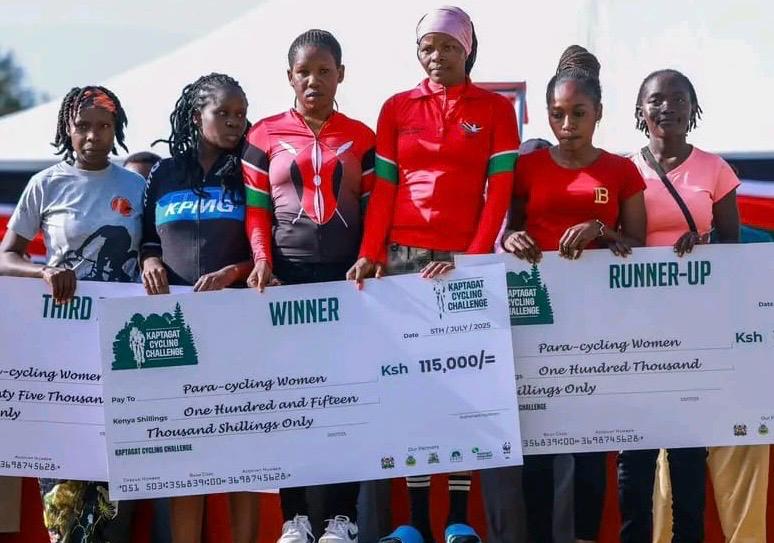
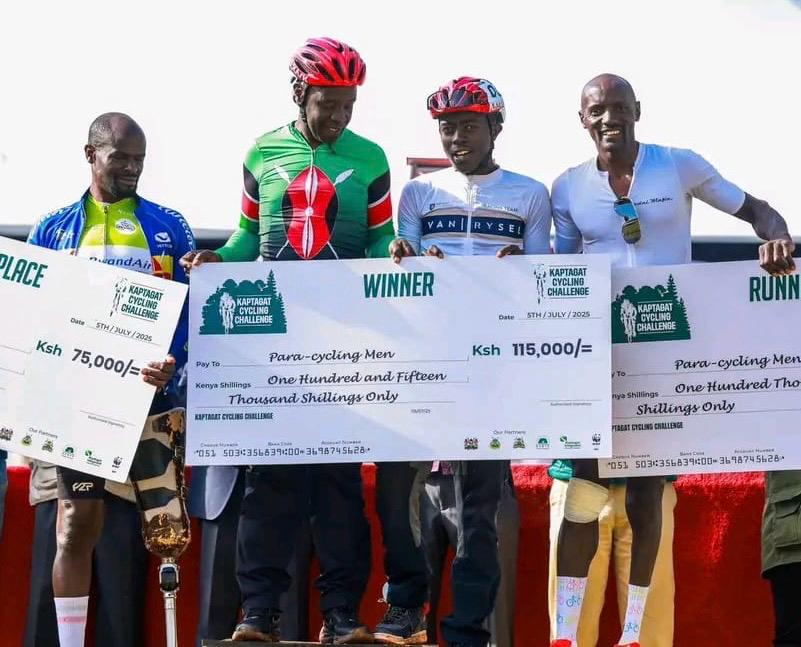
As part of the awareness and community mobilization activities, the 2025 Kaptagat Cycling Challenge was held in the area. Monica Jelimo and Ndung’u wa Kieya emerged as overall winners of the event, which drew participants from across the region.
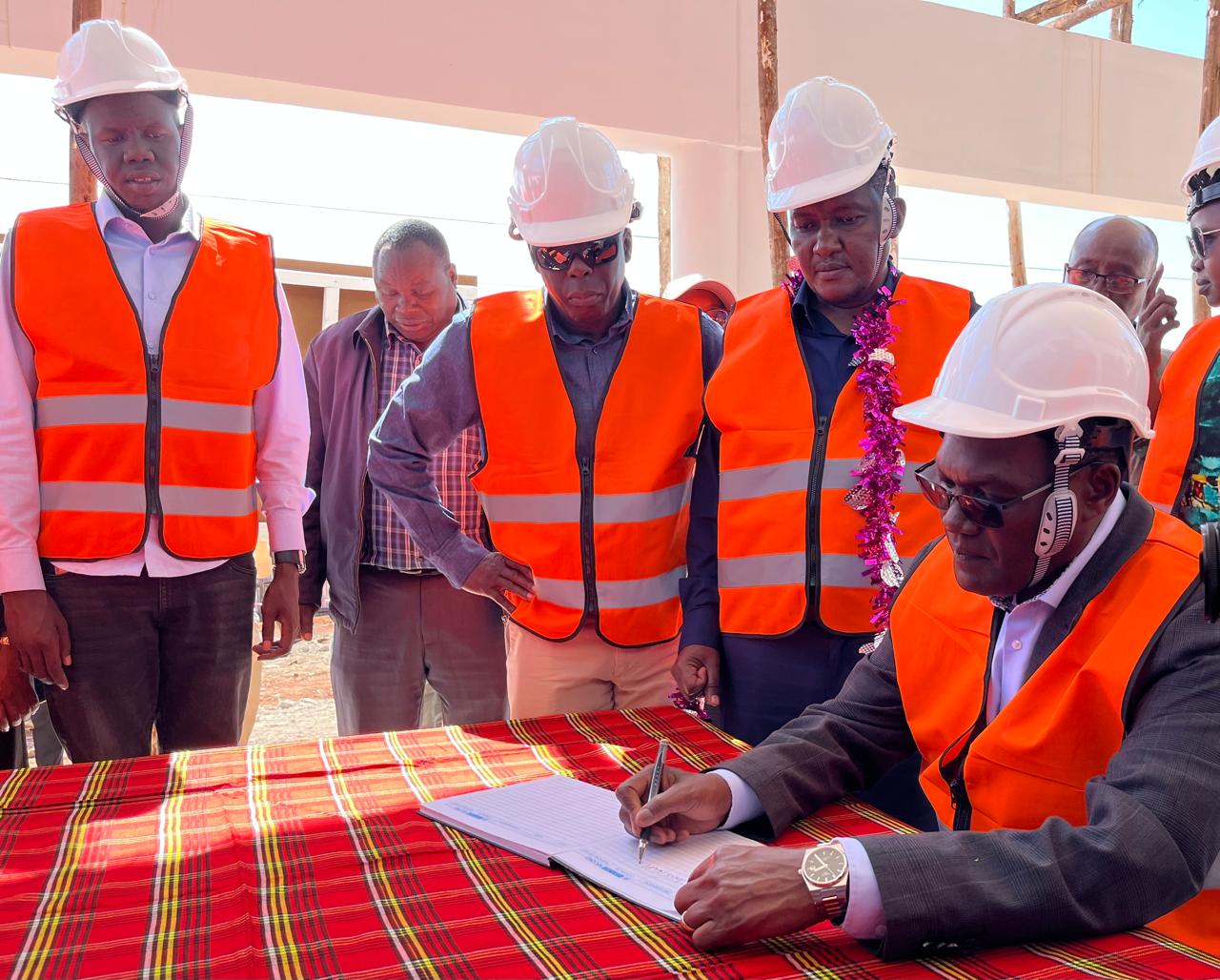
Among the leaders present was Uasin Gishu Woman Representative Gladys Shollei.
Beyond conservation, Dr. Kiptoo has also been instrumental in championing education and other community development projects in the North Rift region, further solidifying his commitment to grassroots empowerment.
The Kaptagat initiative continues to stand out as a model for integrating environmental protection with socio-economic development, a balance that national and global conservation efforts are increasingly striving to achieve.