The reappearance of blogger and tech expert Ndiangui Kinyagia on 3 July 2025, following his reported abduction, has raised serious questions across Kenya.
While the National Police Service (NPS) and the Directorate of Criminal Investigations (DCI) maintain that he was never in custody and that he went into hiding voluntarily, the circumstances surrounding his disappearance and sudden return suggest otherwise.
The official narrative—claiming Ndiangui staged his own vanishing act—simply doesn’t hold water; it smells strongly of a clumsy cover-up, something that many other Kenyans agree with me on.
Why do I believe this? Let's begin:
1. His Physical and Emotional State Speaks Volumes
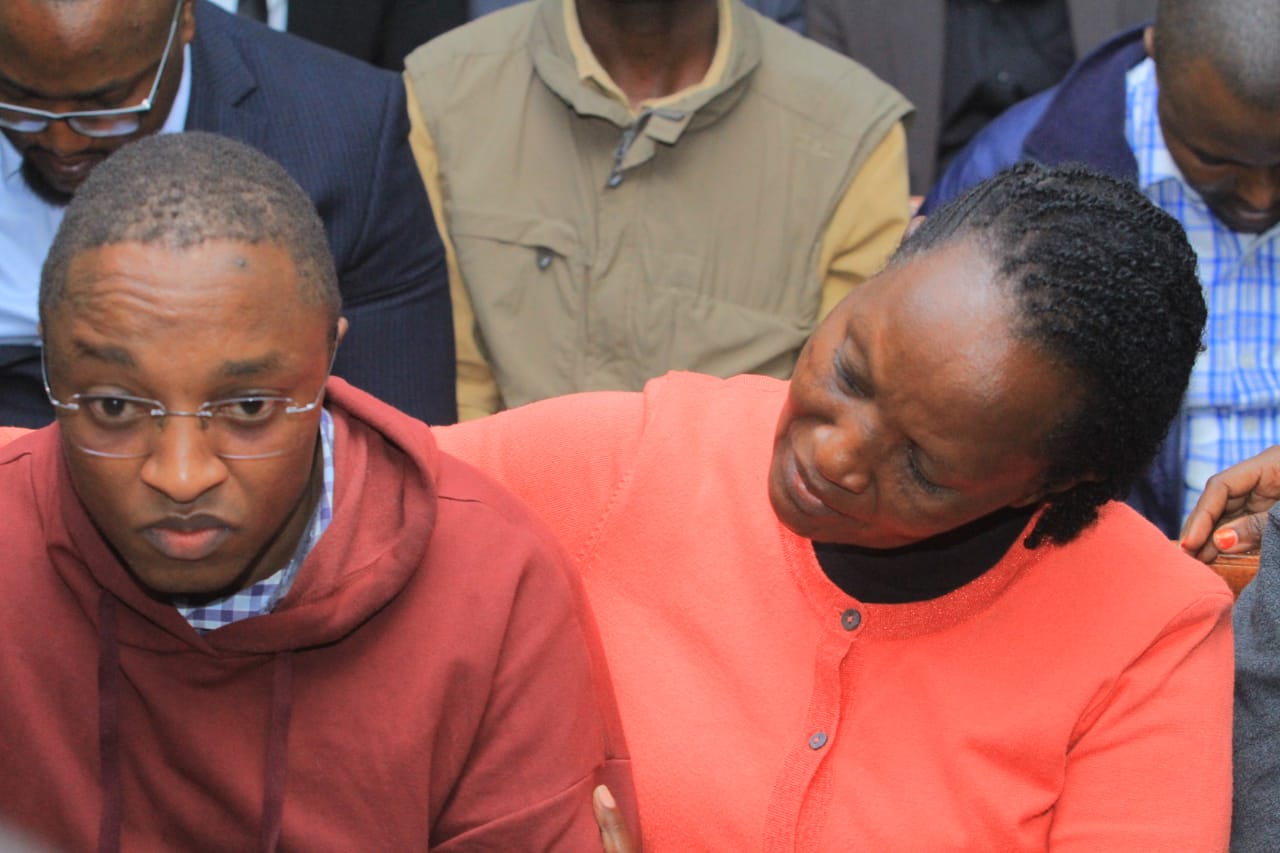
First, Ndiangui’s traumatised appearance upon re-emerging tells its own story. Videos circulating on X (formerly Twitter) show a visibly shaken man—dishevelled, hollow-eyed, and with an unsteady voice.
This is hardly the image of someone who orchestrated a self-imposed hideout. One user, @JusticeSeekerKE, tweeted, “Look at Ndiangui’s face—trauma doesn’t lie. This wasn’t a stunt. #NdianguiAbduction”, capturing the widespread belief that his condition points to genuine distress, not fabrication.

2. The Telltale Haircut
Secondly, his fresh buzz cut mirrors the appearance of other abduction victims in Kenya, particularly those targeted during the 2024 anti-government protests.
@Kinyanjui254 noted, “Ndiangui’s new haircut? Just like other abductees. Coincidence? I think not. #DCIExpose”.
This small but telling detail fuels suspicion of state involvement, particularly when coupled with reports from neighbours who claimed masked men whisked him away.
3. The Convenient Timing of His Return
Thirdly, the timing of his reappearance is deeply suspect. Ndiangui returned just days after a judge summoned DCI chief Mohammed Amin on 1 July 2025 to explain his whereabouts.
@LegalEagleKE remarked, “Ndiangui pops up the moment the judge calls out the DCI? Too convenient. #JudicialPressure”, suggesting that the reappearance was not a voluntary decision but rather a strategic move to ease judicial scrutiny.
4. The Suspicious Circumstances of His Disappearance
Fourth, the idea of self-hiding collapses under the weight of eyewitness accounts. Neighbours reported seeing at least ten cars stationed outside Ndiangui’s residence on 21 June 2025, the day he vanished.
As @NairobiWitness put it, “Ten cars? No one organises that kind of security detail for a self-disappearance. #AbductionCoverUp”.
5. His Own Evidence Contradicts the Narrative
Fifth, Ndiangui himself shared photographic evidence, claiming abduction by the DCI—a detail reported. @TechActivistKE commented, “Posting a distress message is not the move of someone faking it. Ndiangui was reaching out. #NdianguiTruth”.
6. The DCI’s Shifting Story Raises Red Flags
Sixth, the DCI’s inconsistent statements have only deepened public suspicion. Initially denying any involvement, they later faced judicial scrutiny when evidence contradicted their claims.
@ConstitutionWatch observed, “The DCI’s flip-flopping screams cover-up. Self-hiding doesn’t explain this mess. #DCIAccountability”. Such contradictions point towards an official narrative in disarray.
7. Tech Know-How Undermines ‘Hiding’ Theory
Additional voices on X have poked holes in the self-hiding argument. @YouthVoiceKE highlighted Ndiangui’s tech expertise, suggesting he could have easily remained hidden if that were his goal:
“His return feels forced. #StatePressure”. Others, including @HumanRightsKE, questioned the speed of his court appearance and the lack of independent verification, implying possible manipulation.

8. The Missing Trail
As @PoliticalAnalystKE pointed out, “No trace of Ndiangui’s movements during his supposed hiding—odd for someone staging a vanishing act. #DCIInvolvement”.
The logistical silence surrounding his time ‘missing’ adds yet another layer of suspicion. When pieced together, the self-hiding narrative defies logic.
A traumatised man, bearing visible marks of abduction, reappearing under judicial pressure, with witnesses reporting a large-scale operation, and his own photographic evidence contradicting official claims—none of this aligns with the idea of a voluntary disappearance.
The DCI’s inconsistent statements only deepen public distrust.
So I ask: is the self-hiding narrative still convincing in light of these facts?