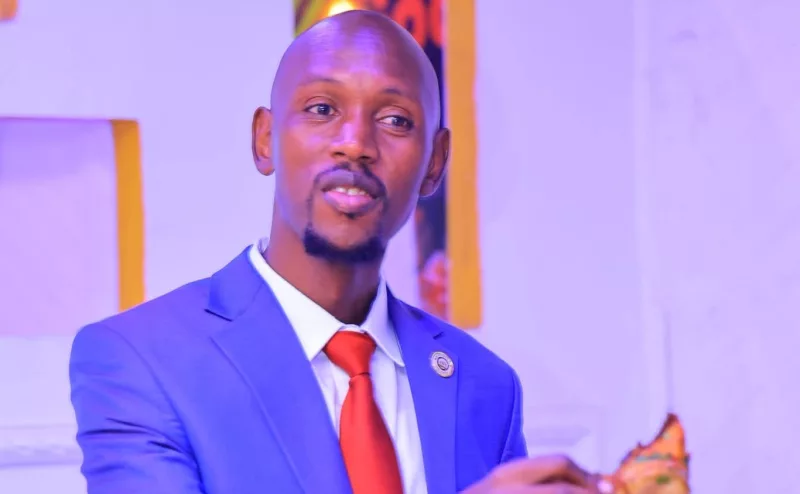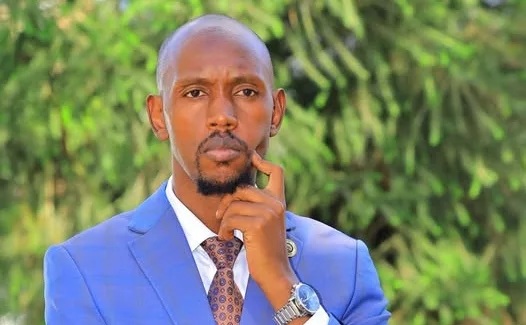
In a significant move aimed at alleviating the burden on families affected by recent political unrest, the Kenyan government, through the Ministry of Health under the stewardship of Cabinet Secretary Aden Duale, has announced the waiver of all medical bills for patients injured during the demonstrations in Nairobi on June 17 and 25, 2025.
This crucial directive includes the outstanding bill of the late Mr. Boniface Mwangi Kariuki, the mask vendor whose tragic shooting during the protests sparked national outrage and intensified calls for police accountability.
According to an official statement from the Ministry of Health, the decision reflects the government's commitment to ensuring affected Kenyans receive the necessary care and support.
"The recent demonstrations in Nairobi on June 17 and 25, 2025, resulted in injuries and emotional distress for many Kenyans. As a Ministry, our hearts go out to all those affected, and we remain committed to ensuring they receive the care and support they need,"the statement from Hon. Aden Duale read.
The directive specifically instructs Kenyatta National Hospital to waive all medical bills for protest victims and charge them to the hospital's Disaster Emergency Fund.
This announcement brings a glimmer of relief to families like that of Boniface Mwangi Kariuki, whose medical bill at Kenyatta National Hospital stood at Ksh 815,805 at the time of his passing, according to Duale’s statement.
Kariuki, a young mask vendor, was reportedly shot in the head at close range during the June 17 protests and had been on life support for weeks. Tragically, he was declared brain dead on June 30th, following the severe injuries sustained.
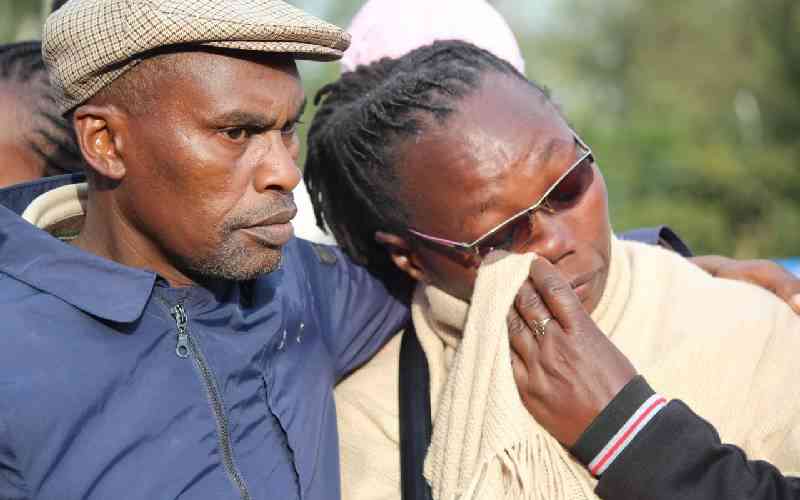
His family had previously lamented the escalating medical costs, which had climbed into the millions, and the lack of government assistance, despite widespread public sympathy and demands for justice.
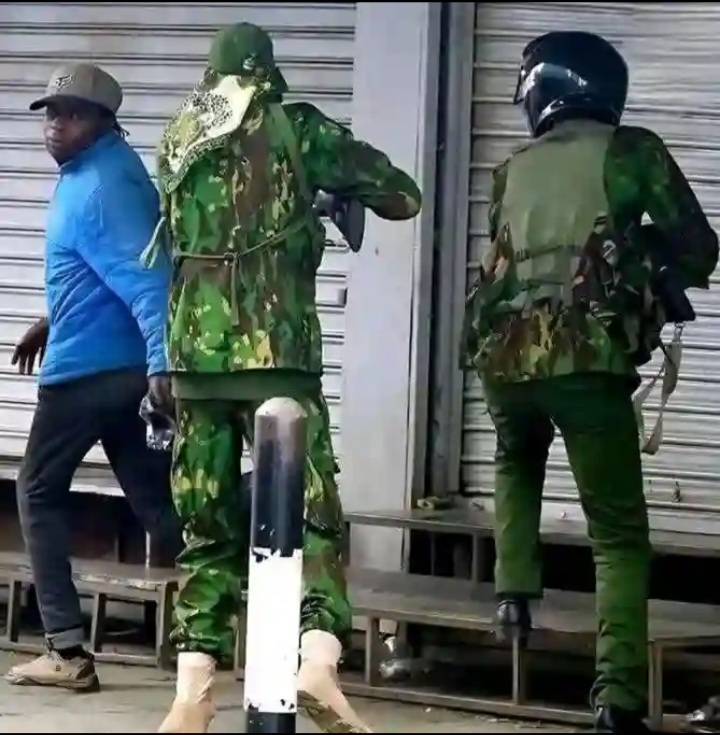
The context for this government intervention is grim. The June 25 anniversary protests, which followed earlier demonstrations on June 17, were marked by widespread violence and allegations of human rights violations. The Kenya National Commission on Human Rights (KNCHR) has been investigating these incidents, with reports detailing excessive force used by law enforcement, leading to numerous injuries and several fatalities. The protests, initially peaceful, often descended into chaos, with police employing tear gas and live ammunition in some instances, escalating tensions and resulting in significant casualties among demonstrators.
Boniface Mwangi Kariuki's case became a symbol of the human cost of these protests. Shot while reportedly going about his business as a mask vendor, his critical condition galvanized public outcry, placing immense pressure on authorities to investigate and hold accountable those responsible for the violence.
Police officers allegedly involved in his shooting have since been arrested and arraigned, signaling a rare but crucial step toward potential justice. The public has been vocal in demanding accountability, hoping Boniface's case would set a precedent against impunity for police misconduct during demonstrations.
While waiving medical bills addresses an immediate financial strain, it also subtly acknowledges the state's responsibility in the aftermath of the protests. However, for families like Kariuki's, the deepest demand remains justice and accountability for the loss of life and severe injuries inflicted.
As the nation mourns those lost and supports the recovery, the government's gesture marks a step towards addressing the fallout from a period of intense civil unrest.