A video posted on X on 29 June 2025 has gone viral, showing a man praising his Bumble date for cleaning his house after he left at 4am.
The clip, which reveals a spotless bathroom, neatly made bed and folded laundry, sparked global attention — but it was Kenyans’ unique reaction that stole the show.
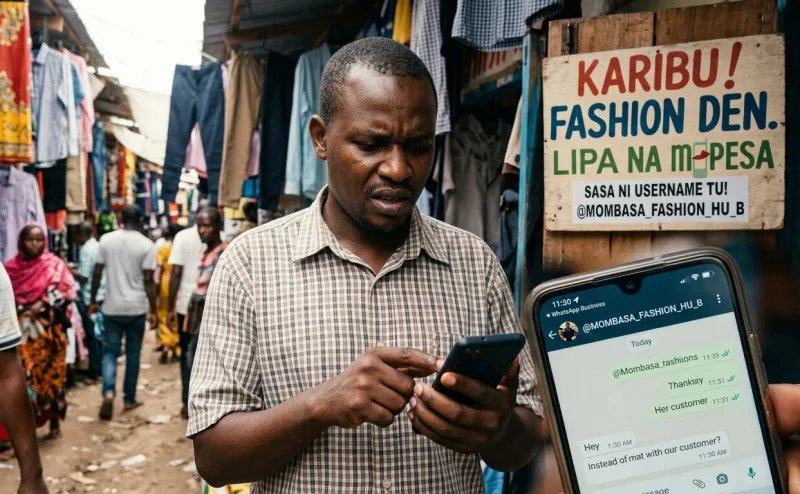
The phrase “she cleaned my house” sparked humorous confusion among Kenyans, where local slang often uses “cleaned out” to mean someone was robbed.
The misunderstanding led to viral comments, with users like @SirLV tweeting, “Me and my Kenyan mentality thought the date had cleaned out the house i.e. robbed his a$$ lmaoooooo.”
Others chimed in with similar thoughts, assuming the post was about theft, not tidying.
A 2023 University of Nairobi study on East African slang evolution helps explain the double meaning, showing how regional context deeply affects language interpretation.
For older Kenyans in particular, “cleaned out” still conjures images of loss, not acts of love. Comments like “Nilikuwa nangoja kuona kenye ameibiwa” and “Hakuoshwa, alioshewa!” highlighted the laughter that arose from the mix-up.
Reactions outside Kenya were mixed. Some praised the woman’s gesture as a rare and touching sign of affection.
“Marry her!” posted @DeadMattBounce, while @Breezy236 recounted a similar story from her own marriage, now 28 years strong.
Others were more sceptical. @kateiswell labelled the gesture “desperate”, and @MatthewP279348 dismissed it entirely, saying, “This is a lie. There’s no way the house was cleaned and he slept through it.”
Some responses were cruder. One user speculated the woman had been impressed by more than just the man’s home. Another joked that it sounded more like he had hired a maid and claimed it was a Bumble match.
Still, others viewed the act as sweet and meaningful. @sp0ttie wrote that during his military service, his partner used to do the same, calling it a comforting expression of care.
Yet even then, concerns around privacy were raised, with users asking whether the woman had gone through his personal belongings uninvited.
In the end, the strongest reactions remained firmly rooted in Kenyan social media, where users admitted they initially assumed the worst.
“Same,” wrote @WangariWaMwaura, while @Amacheez added, “Tuko wengi” (“We are many”), showing just how common the misinterpretation was.