The usually serene and exclusive roads leading to State House, the official residence of Kenya's President, were transformed into a fortified zone this Wednesday morning, June 25th.
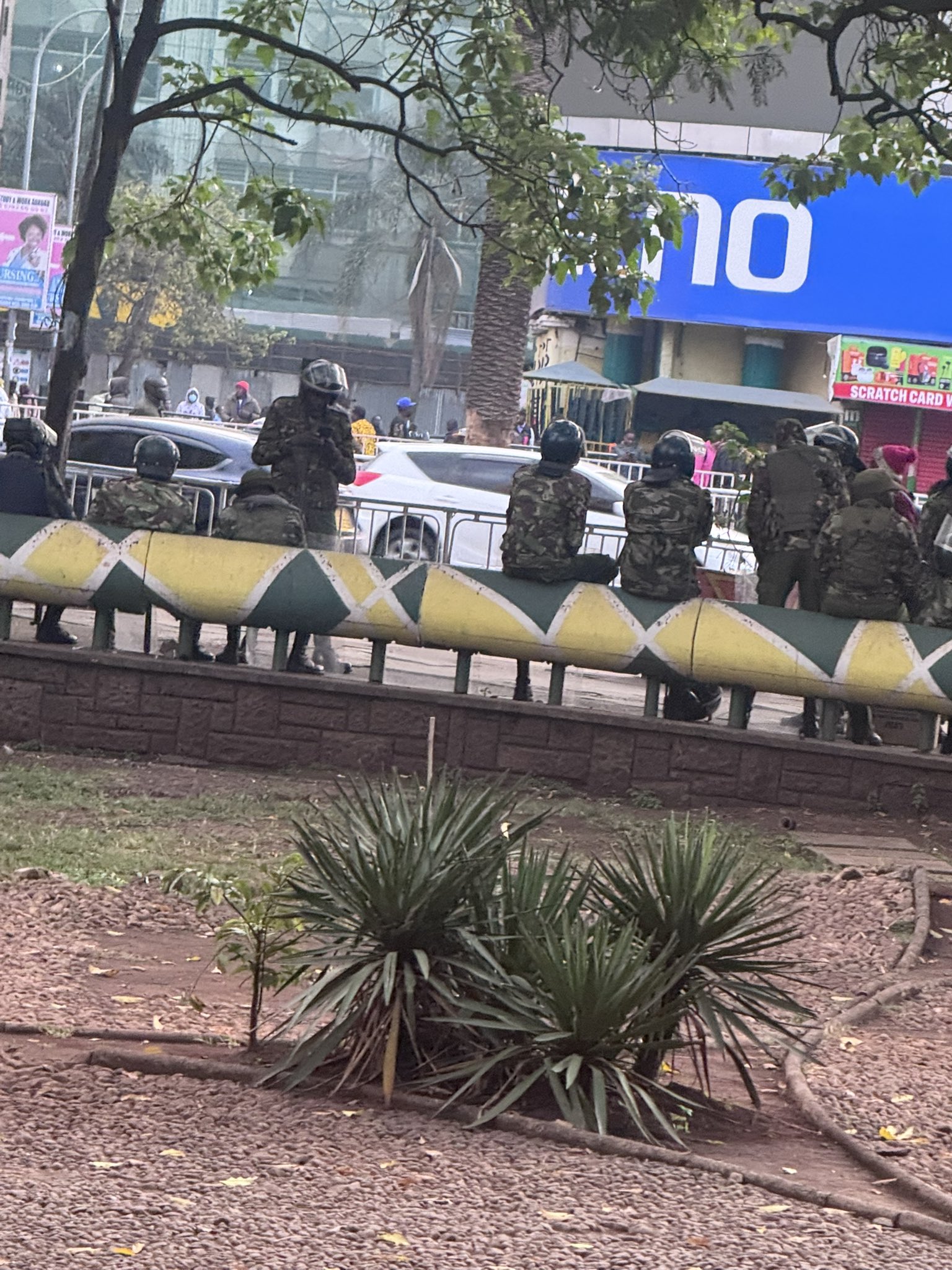
Anti-riot police, bracing the early breeze, deployed heavily, erecting razor wire barricades and stopping all motorists and pedestrians attempting to approach the "house on the hill."
This decisive action by law enforcement comes amidst chilling threats from a section of protesters, who have ominously declared their intention to "have lunch in State House" as they commemorate the one-year anniversary of the deadly anti-Finance Bill protests.
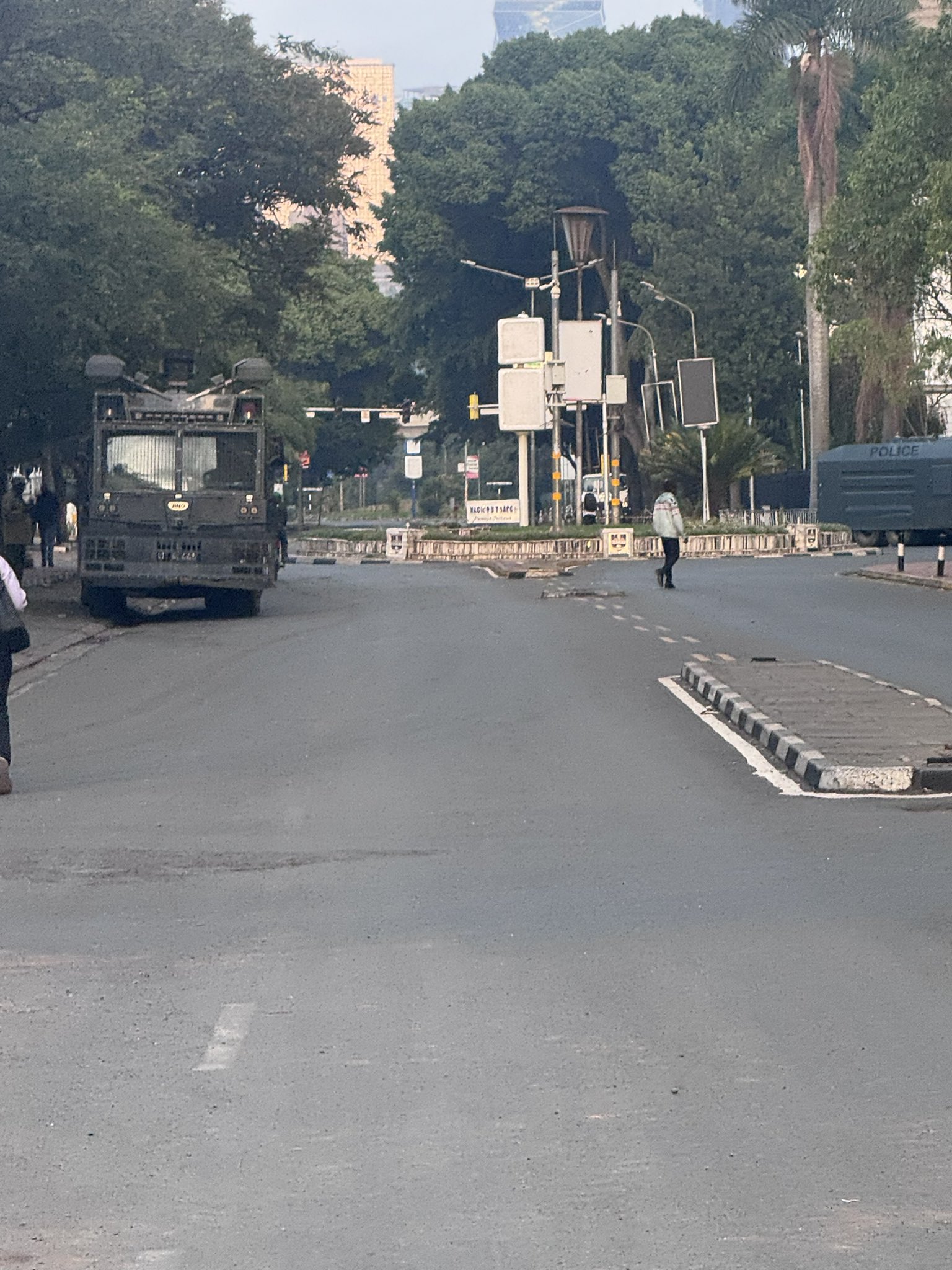
The extraordinary security measures reflect the gravity of the threats and the authorities' determination to prevent any breach of the presidential compound.
The call to "have lunch in State House" under the #OccupyStateHouse has resonated widely on social media platforms, symbolizing a direct challenge to the seat of power and a deep-seated frustration with the current government. It's a defiant declaration from a movement largely driven by Kenya's Gen Z, who have consistently pushed the boundaries of traditional protest.
This heightened state of alert is directly linked to the broader memorial demonstrations planned across Nairobi and other parts of the country today. June 25th marks exactly one year since the initial anti-Finance Bill protests escalated dramatically, culminating in the storming of Parliament buildings and tragic loss of lives.
What began as a reaction to proposed tax hikes has evolved into a nationwide movement demanding accountability for alleged police brutality, addressing the skyrocketing cost of living, and advocating for broader governance reforms.
Police officials have openly stated that the sealing off of roads to State House is a preemptive strategy to thwart any planned march towards the highly protected area.
Inspector General of Police Douglas Kanja had previously warned protestors against attempting to access restricted government sites, citing the Protected Areas Act.
Despite these warnings, the symbolic threat of "lunch in State House" gained traction, forcing authorities to escalate their defensive posture.
Eyewitnesses in the leafy State House environs reported an unprecedented level of security deployment. Barricades, including rolls of razor wire, effectively turned once-accessible roads into no-go zones.
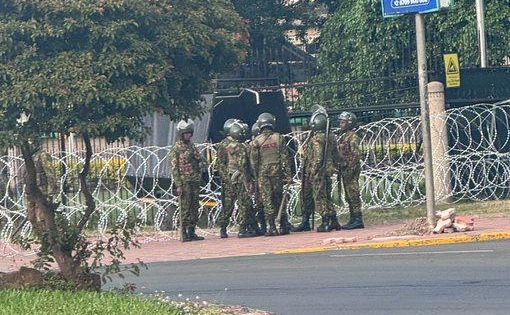
Security personnel meticulously questioned anyone attempting to pass, ensuring that the presidential residence remained impenetrable. This robust show of force stands in stark contrast to the deserted Nairobi Central Business District (CBD), which also remains under heavy lockdown with businesses shut down.
The current atmosphere in Nairobi is a vivid illustration of the ongoing tension between the public's constitutional right to protest and the government's mandate to maintain national security.
The audacious "lunch in State House" threat, while likely symbolic for many, is being treated with utmost seriousness by security agencies. As the day progresses, the focus will remain on whether protestors will attempt to breach these formidable defenses or if their message will be delivered through other avenues, with the promise of "lunch" hanging heavy in the air over Kenya's most protected address.