For countless Nairobi residents this Wednesday, June 25th, the morning commute transformed into an unexpected marathon. As the city braced for planned Gen Z-led memorial protests, police mounted extensive roadblocks, completely barring Public Service Vehicles (PSVs) and most private cars from accessing the Central Business District (CBD).
This drastic measure forced thousands of Nairobians to trek long distances on foot, turning major highways into pedestrian-only zones, all in anticipation of demonstrations commemorating the first anniversary of last year's deadly anti-Finance Bill protests.
The extraordinary scene across Nairobi's major arteries, including Thika Road, Waiyaki Way, Mombasa Road, and Ngong Road, underscored the heightened tension permeating the capital. Residents from Eastlands found themselves disembarking at Donholm, those from Thika Road at Muthaiga, and commuters from Waiyaki Way at the Kangemi flyover.
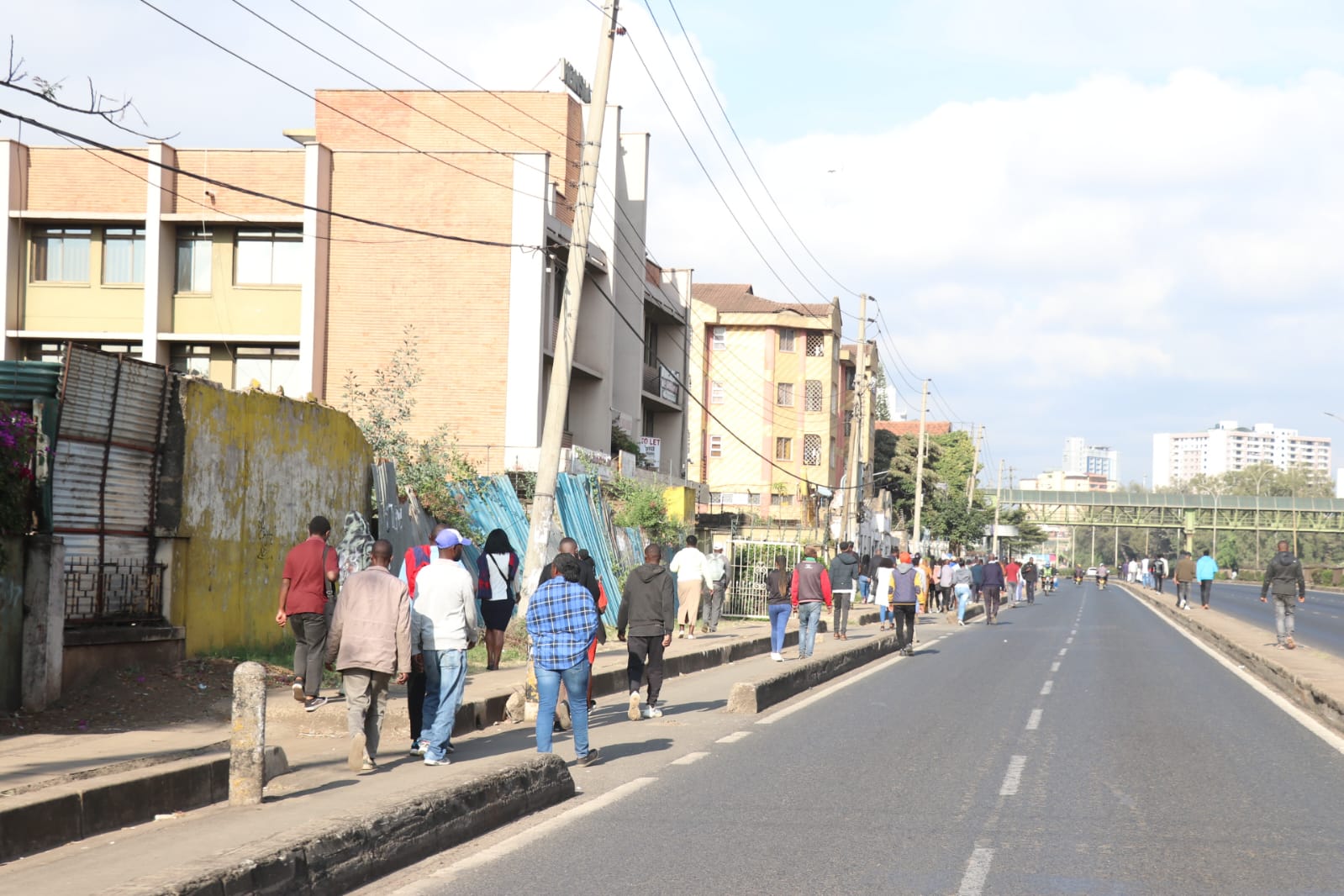
For many, this meant walking several kilometers, often under the watchful eyes of heavily deployed anti-riot police, just to reach their workplaces or essential services within the cordoned-off CBD. This disruption highlights the sheer scale of the police operation aimed at stifling the planned protests.
Today's demonstrations, driven largely by Kenya's youth, mark a somber anniversary. On June 25th, 2024, widespread public outrage against the Finance Bill escalated into major clashes, culminating in the storming of Parliament buildings and tragic fatalities.
This year, the focus has broadened to include demands for accountability regarding police brutality, an end to abductions, and calls for greater social justice. Organizers, predominantly from Generation Z, have framed these as memorial gatherings to honor those who lost their lives, while continuing to voice deep-seated grievances against the government.
In anticipation of these protests, authorities had intensified security operations for days. Police had publicly warned against accessing "protected areas" like Parliament and State House, both of which are also heavily fortified today.
The decision to block PSVs, the lifeblood of Nairobi's public transport, is a clear strategy to prevent mass gatherings within the CBD, effectively cutting off the flow of potential protestors into the city center.
Officers in full riot gear were visible at key intersections, conducting heightened inspections even on private vehicles, allegedly to "flush out suspected protesters."
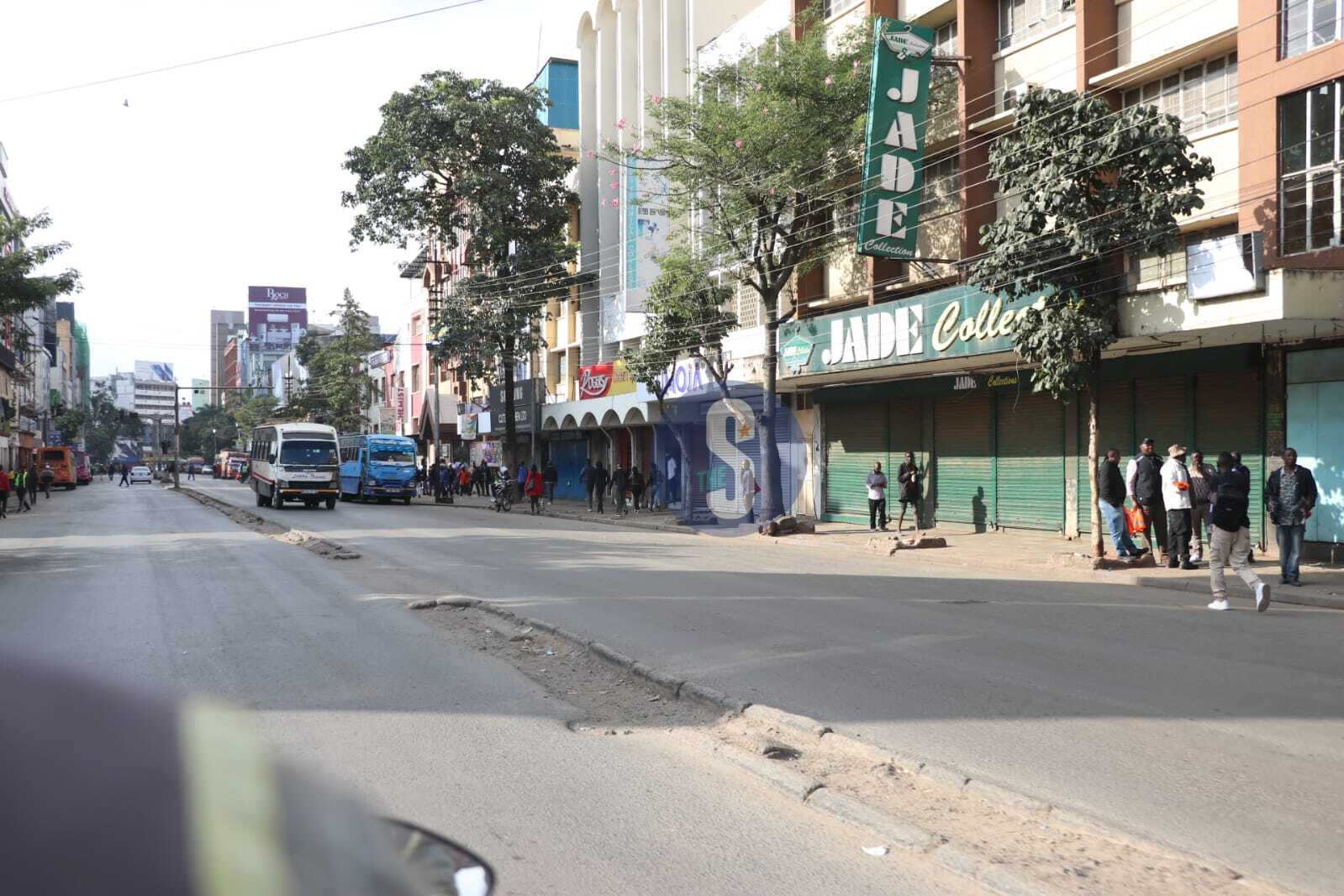
The economic impact of this virtual lockdown is immediate and severe. With PSVs rerouted and access severely restricted, businesses within the CBD, already reeling from previous disruptions, have largely remained closed.
Shuttered storefronts and deserted sidewalks paint a stark picture, contrasting sharply with the city's usual vibrant commercial activity. The forced long walks for commuters add another layer of frustration for ordinary citizens simply trying to navigate their daily lives amidst the ongoing political tension.
As the day progresses, the focus remains on whether the "trek to CBD" strategy will successfully deter large-scale protests or merely fuel further public resentment.
The images of thousands walking miles to access their city center serve as a powerful visual testament to the determination of both the authorities to control the narrative and the citizens to make their voices heard, even when faced with significant logistical hurdles.