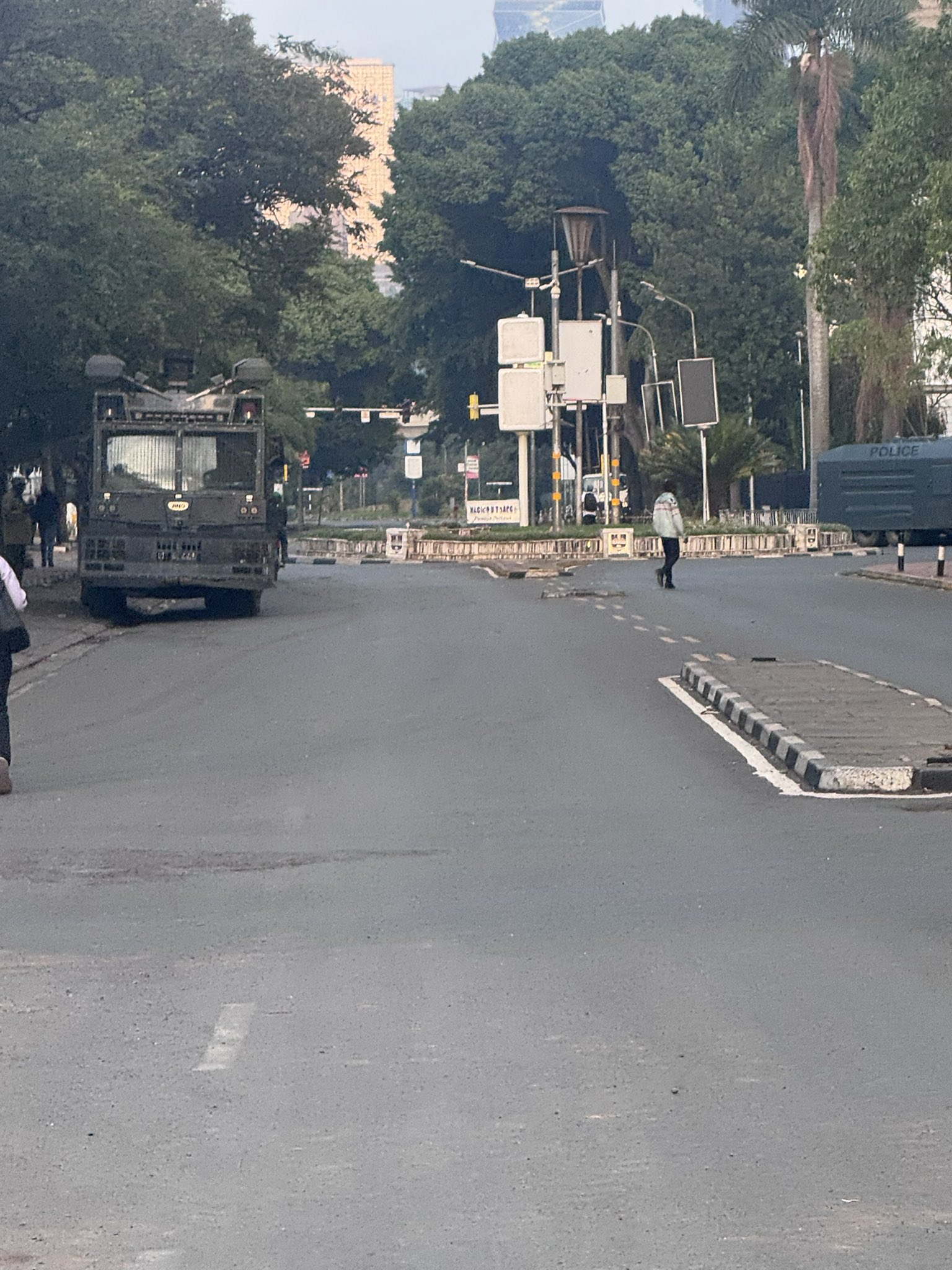
The heart of Nairobi's Central Business District (CBD) bore an eerie stillness this morning as businesses opted to close their doors and streets emptied ahead of planned memorial demonstrations slated for Wednesday, June 25th.
The heightened state of alert follows recent protest actions and coincides with calls for citizens to commemorate lives lost and to continue voicing their concerns over governance and economic policies.
A quick spot-check across the CBD revealed a significant police presence that has effectively sealed off all major roads leading into the CBD, creating a virtual lockdown of the usually bustling commercial hub.

The police have also cordoned off protected areas within the CBD, such as the access to the Parliament building, which has been sealed off by wire mesh overnight.
The planned demonstrations are understood to be a continuation of the public outcry witnessed in recent weeks, sparked initially by the controversial Finance Bill and evolving into broader grievances encompassing issues of police conduct during protests, cost of living, and government accountability.
While organizers have framed Wednesday's events as memorial gatherings to honour those who have lost their lives during previous demonstrations, authorities have taken a firm stance, citing concerns about potential disruptions and maintaining public order.
This preemptive action by law enforcement, characterized by the strategic blocking of key arteries into the CBD, has had an immediate and significant impact.
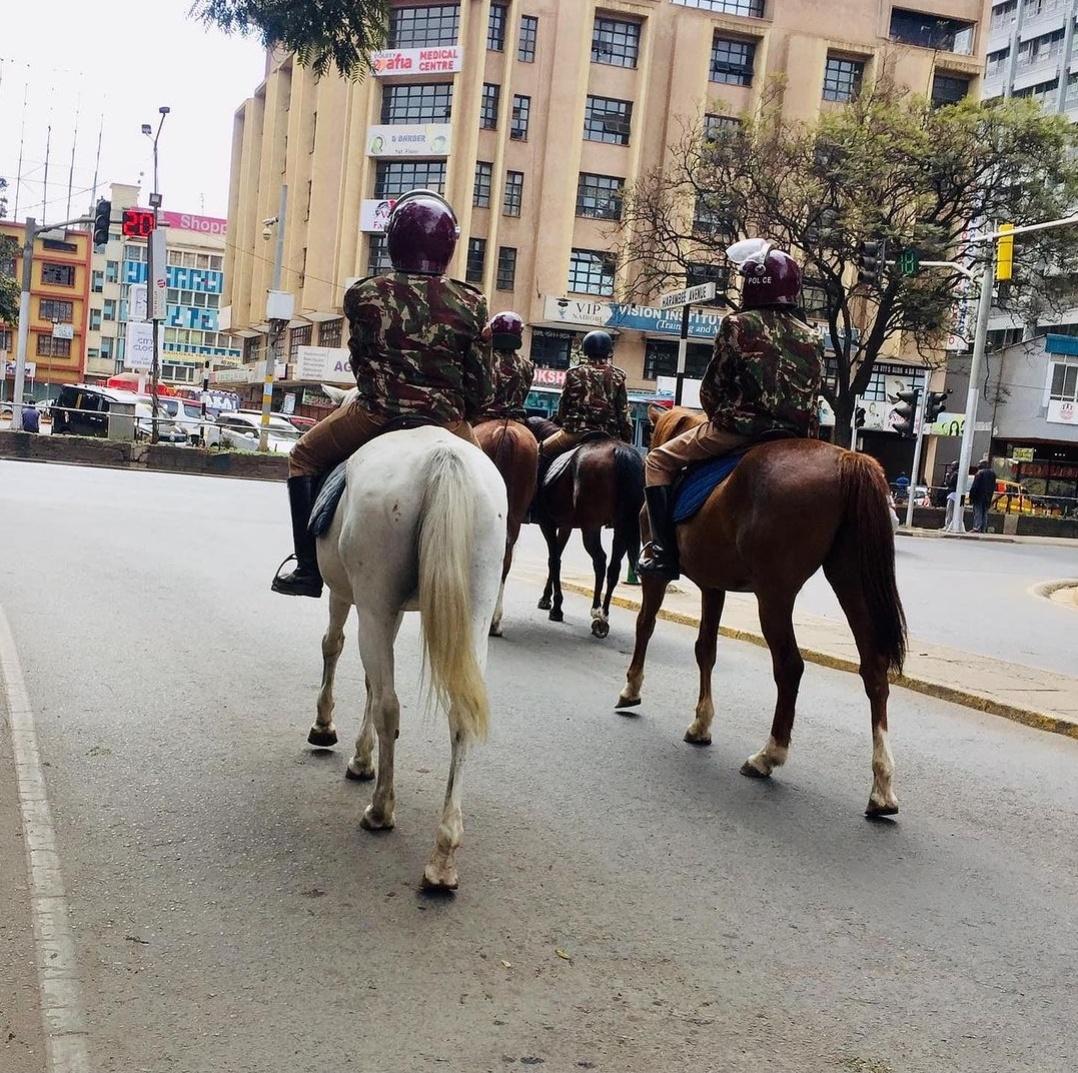
Businesses, particularly retail outlets, banks, and smaller enterprises that rely on foot traffic, have largely remained closed. The usually congested streets, notorious for their matatu traffic and throngs of pedestrians, were notably sparse, creating an unusual atmosphere of quietude in the city's normally vibrant core.
Reports from various news outlets and social media platforms painted a picture of deserted sidewalks and shuttered storefronts, a stark contrast to the usual chaotic energy of Nairobi's downtown.
The decision by businesses to close reflects a palpable sense of apprehension following past protest experiences, where some establishments faced looting and vandalism.
By preemptively shutting down, business owners are prioritizing the safety of their staff and the security of their properties. This self-imposed lockdown, however, carries significant economic implications for the day, impacting daily earnings and potentially disrupting supply chains.
Meanwhile, the heavy police presence is a clear signal of the government's intent to maintain control and prevent any large-scale demonstrations from taking hold within the CBD.
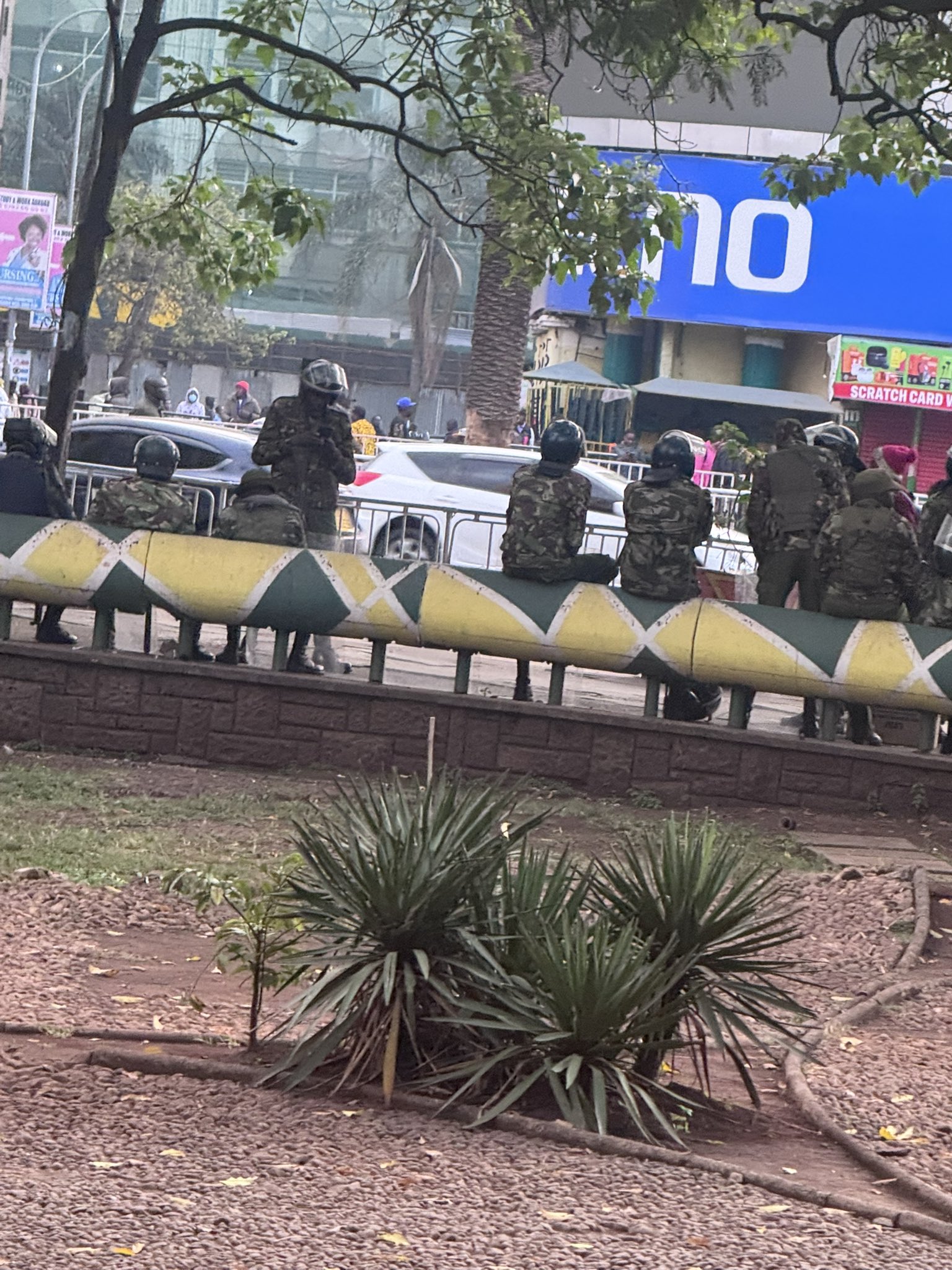
Security personnel have been deployed at strategic intersections and key landmarks, effectively creating a perimeter around the central area. This robust deployment aims to deter protestors from gathering in large numbers and to contain any attempts at disruption quickly. While the planned demonstrations are intended to be a form of civic engagement and remembrance, the authorities' response highlights the deep-seated concerns and the potential for escalation.
As Wednesday unfolds, all eyes will be on Nairobi to see how the day progresses, whether protestors will find alternative ways to voice their concerns outside the cordoned-off CBD, and what the long-term impact of this period of heightened tension will be on the city's social and economic fabric.
For now, Nairobi's usually vibrant heart remains uncharacteristically still, bracing for a day heavy with anticipation and uncertainty.