
For generations, parents and siblings have playfully debated the quirks and characteristics associated with birth order.
While anecdotal evidence has often painted the second-born, or "middle child," as the family's resident rebel, a compelling study titled "Birth Order and Delinquency" has brought a significant academic lens to this age-old observation.
This research suggests that second-born children, particularly boys, are indeed more likely to exhibit rebellious behaviors and even find themselves entangled in the criminal justice system compared to their elder siblings.
The groundbreaking study, co-authored by researchers including MIT economist Joseph Doyle, meticulously analysed vast datasets from two vastly different environments: Denmark, with its comprehensive social welfare system, and the state of Florida in the United States. Despite the considerable differences in their societal structures and economic conditions, the findings were remarkably consistent.
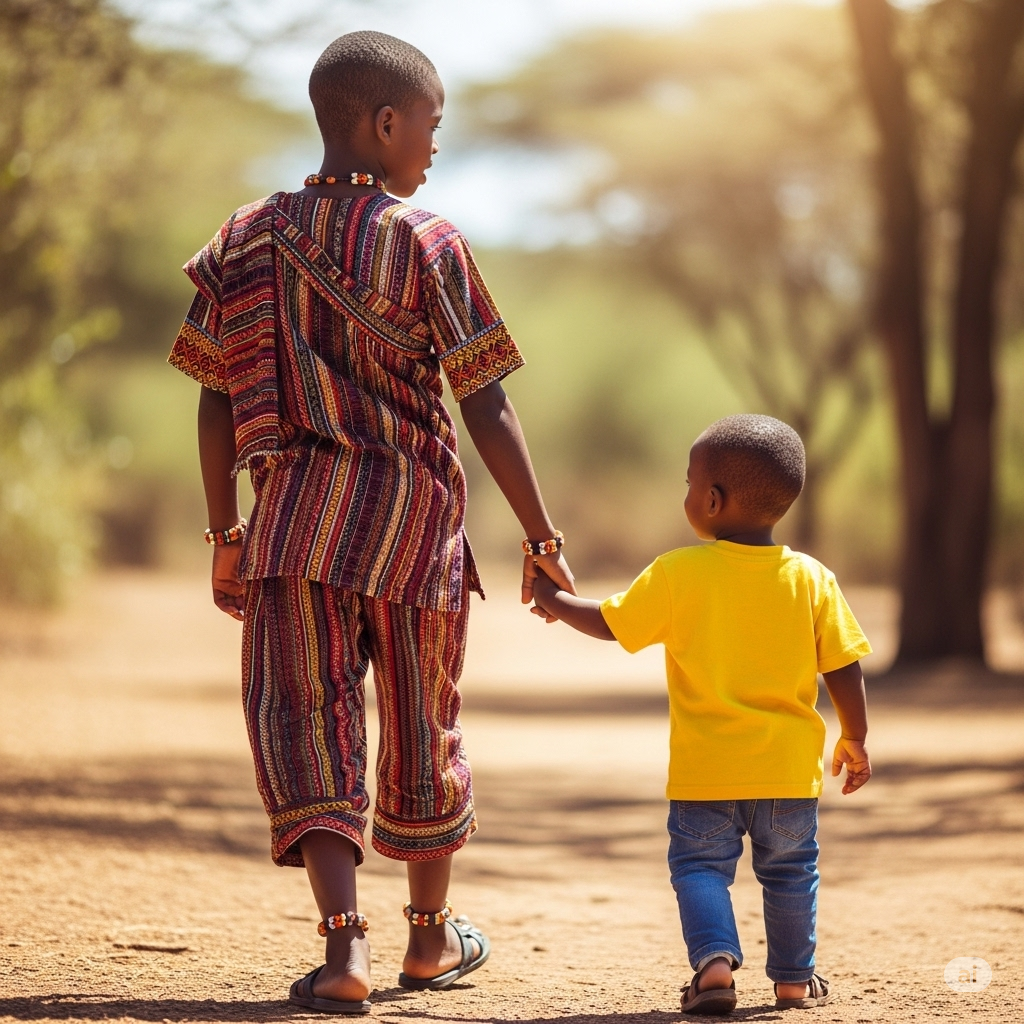
According to the research, in families with two or more children, second-born boys were found to be approximately 20 to 40 percent more likely to face disciplinary issues at school and enter the criminal justice system than their first-born male siblings. This striking correlation has prompted researchers to delve deeper into the underlying mechanisms.
“Despite large differences in environments across the two areas, we find remarkably consistent results: In families with two or more children, second-born boys are on the order of 20 to 40 percent more likely to be disciplined in school and enter the criminal justice system compared to first-born boys even when we compare siblings,” the authors wrote in the study.
So, what could be the reasons behind this "second-born syndrome"?
The study explored several potential factors, ruling out differences in health at birth or the quality of schools attended. Instead, one of the most significant proposed explanations centers on parental investment. Researchers suggest that first-born children often benefit from a period of undivided parental attention. With the arrival of a second child, parents, now more experienced, may inadvertently shift their focus, leading to a slight decrease in early childhood parental investments for the later-born. This subtle shift in attention and resources during formative years could contribute to different developmental pathways.
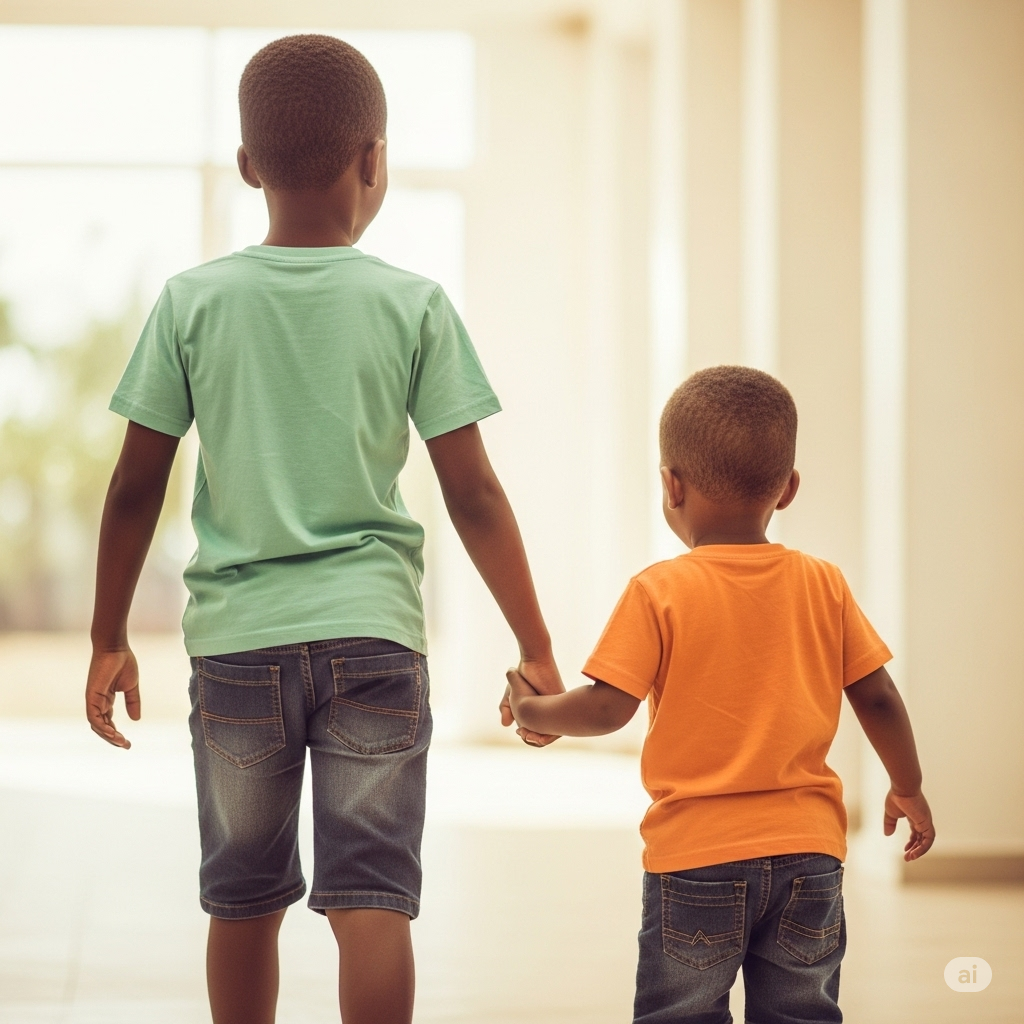
Another compelling theory points to sibling influence and the dynamic of role models. While first-borns look up to adults (their parents) as primary role models, second-borns often have their slightly older, equally learning older sibling as a more immediate behavioral benchmark. Economist Joseph Doyle noted that later-born children's role models are "slightly irrational 2-year-olds," referring to their older siblings, suggesting that this peer effect within the family could contribute to more risk-taking or rule-bending behavior as the younger sibling tries to carve out their own identity or compete for attention.
The report notes that every family is different and the research covers a broader spectrum.