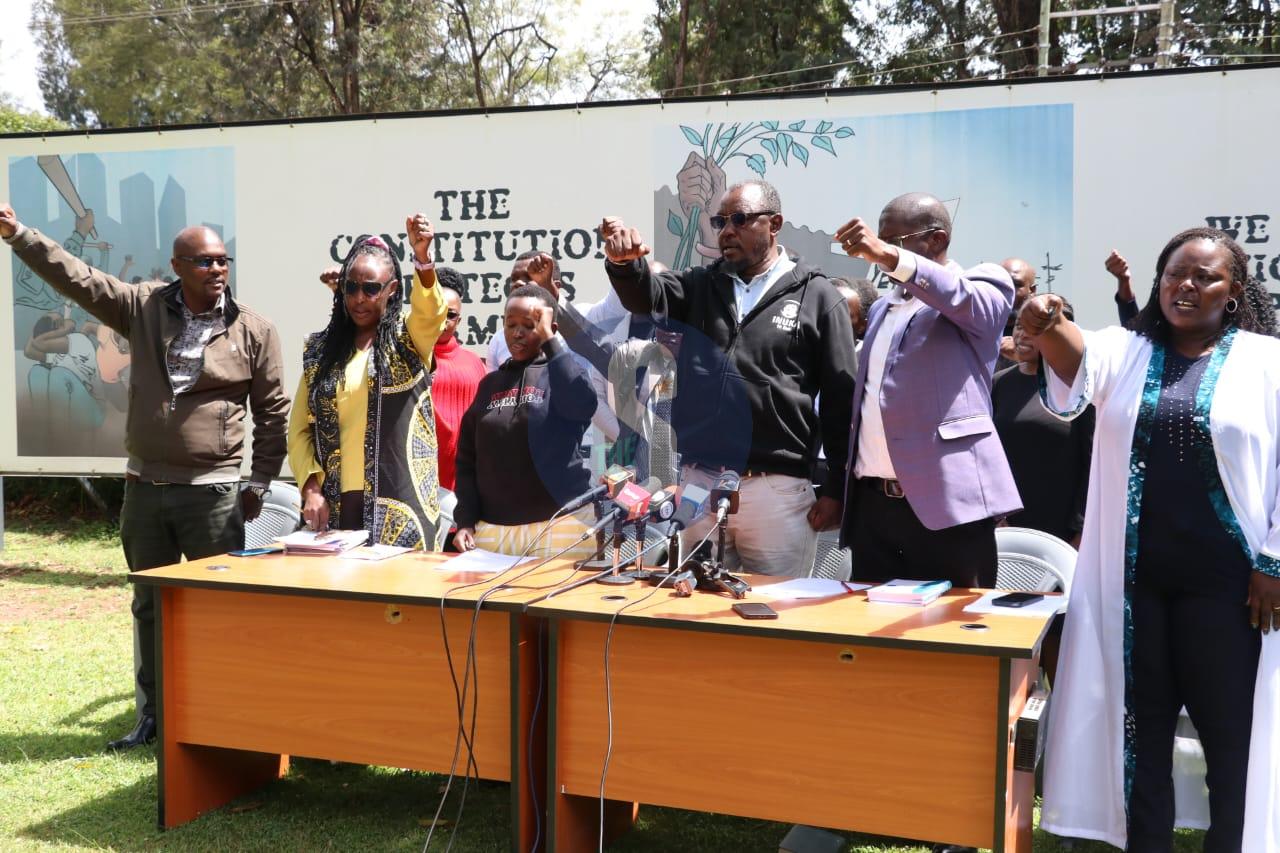
Forty-nine Kenyans have died in the hands of police since January, showing a sustained rise in use of brutal force by security officers against unarmed civilians, civil society groups have said.
Police Reform Working Group, a consortium of 27 human rights organisations, said on Wednesday the deaths at the hands of police are mainly concentrated in Nakuru, which recorded close to half of the deaths, as well as in Nairobi.
Lobbies have also continued to pile pressure on deputy inspector general of police to step aside to allow for thorough and impartial investigation into the death of teacher and social media user Albert Ojwang' in the cells of Central Police Station in Nairobi.
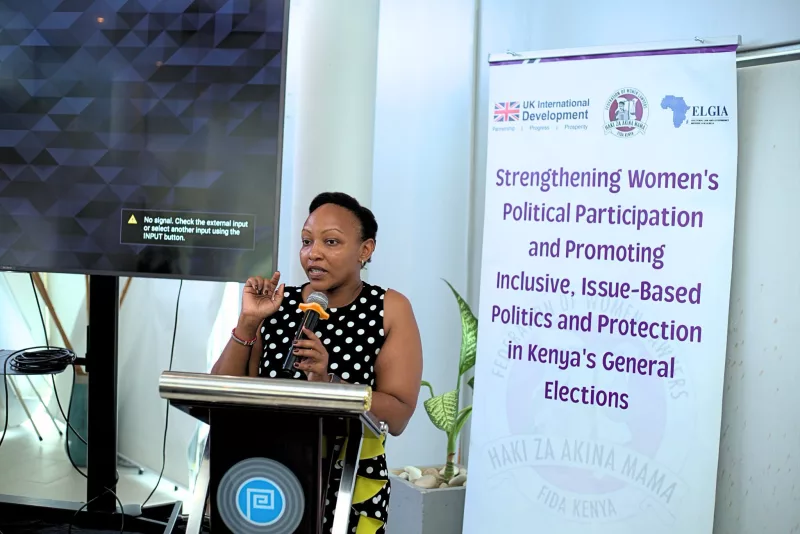
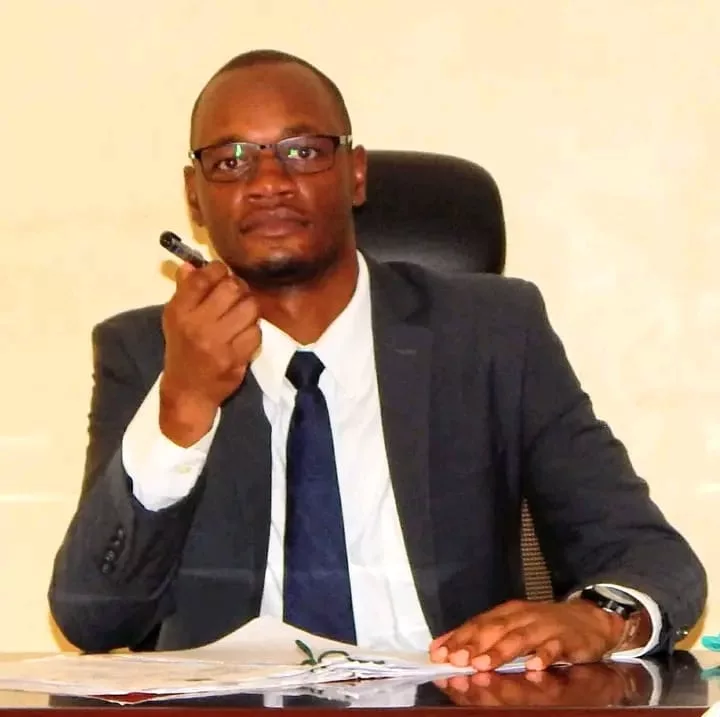
The lot were led by Kenya Human Rights Commission director Davis Malombe, Independent Medico-Lego Unit executive director Grace Wangeci, Constitution and Reform Education Consortium's Kawive Wambua and Transparency International's Sheila Masinde.
They said the killing of Ojwang' and the attempt at cover-up by claims of self-inflicted injuries was not an isolated case.
"Albert's death in the hands of police is not an isolated incident. As of this month, 49 police brutality cases have been documented across 13 counties," they said in a joint statement yesterday.
"...the highest concentration [of the deaths was] in Nakuru (22 cases) and Nairobi (11 cases). Other affected counties include Murang'a (3), Narok and Kakamega (2), and Meru, Kitui, Kajiado, Nandi, Siaya, Trans Nzoia, Baringo, Embu and Mombasa (1 each)."
According to Missing Voices coalition report released last month, there were 104 cases of extrajudicial killings recorded across the country in 2024. According to the report, the number of extrajudicial killings in 2024 reduced from 118 in 2023 to 104, a 12 per cent decrease.
Missing Voices is a coalition of human rights agencies campaigning against extrajudicial killings and enforced disappearances.
The lobbies said the National Police Service Commission must confront the ugly reality of widespread arbitrary arrests, enforced disappearances and deaths at the hands of police officers.
"We call upon IPOA and KNCHR to lead the investigations and ensure they extend beyond interdictions and suspensions, and that those found culpable are arrested and tried before a court of law. Without independent and external investigation, these practices continue to pose a threat to Kenyan lives, the rule of law, national security, and the public interest," they said.
For Ojwang's case, the lobbies rejected the assurance by Inspector General of Police Douglas Kanja and Interior CS Kipchumba Murkomen that investigations will be thorough.
Murkomen told the Senate "we will do everything within the ministry to ensure there is no interference, no shielding of any individual and no cover-up."
The lobbies said they "refute this assurance as disingenuous given that Deputy Inspector General of Police Eliud Lagat, who is directly linked to Albert Ojwang' arrest, remain in office."
"If the ministry was truly committed to non-interference, the first step would be to secure his stepping aside to pave the way for a credible and impartial investigations," they said.
Besides the call for immediate stepping aside of Lagat, the lobbies also want the Independent Policing Oversight Authority to immediately summon and take statements from Lagat, OCS Central and other officers who were involved in the arrest, booking and detention of Ojwang'.