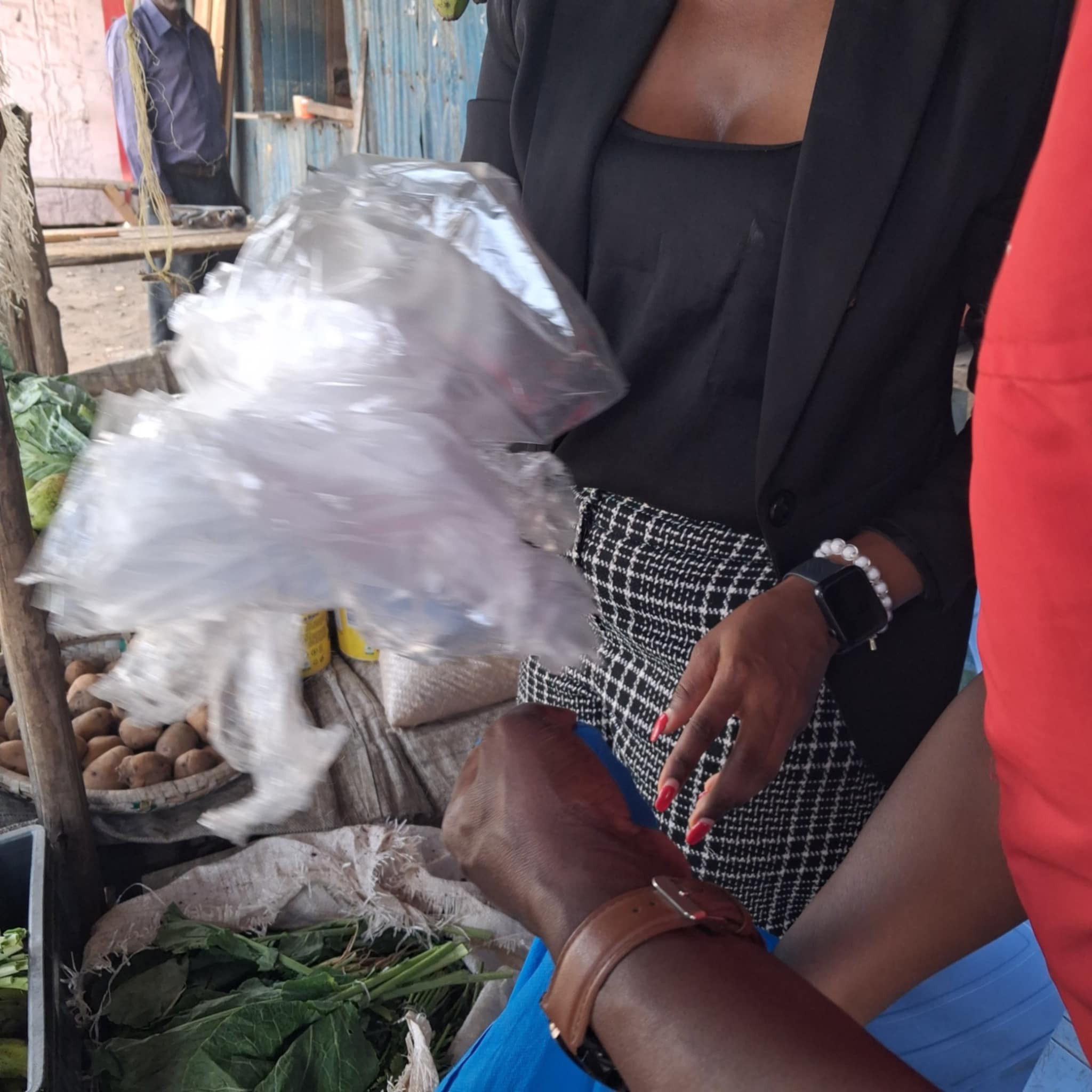
This as United Nations Environment Programme says the negotiation for a joint international instrument for dealing with plastic waste is continuing a pace, with a key summit slated for early August in Korea. The negotiation was commissioned in Kenya in 2022.
World Vision says that Kenya generates 22,000 tonnes of waste daily, and 20 per cent of this is plastic. The capital is the leading contributor in this, producing a third of all unrecyclable garbage.
“In urban areas like Nairobi, plastic makes up nearly 30 per cent of daily waste, yet only eight per cent is recycled, with the rest either incinerated or left to contaminate the land and water,” World Vision Kenya says.
Other counties affected by pervasive use of plastics are Kisumu and Mombasa, a fact that has been a problem with Lake Victoria and Indian Ocean beaches.
There have been multiple reports of plastic bags finding their way into markets through the black market, contributing hugely to the clogging water waterways, which then causes massive street and road flooding, ritually witnessed in the city.
The national ban on single-use plastics was effected in 2017, but whether it has been effective is debatable.
Nairobi government has threatened many times to mount a crackdown in the markets to smoke out cartels that are reintroducing the small polythene bags, but it has remained that empty threat.
World Vision says, “plastic pollution disproportionately affects Kenya’s most vulnerable populations, particularly children living in informal settlements and arid and semi-arid lands, where poor waste management and environmental degradation collide.”
The account by World Vision is buttressed by the Global Plastic Action Partnership, a think tank of environment experts, which says that “tremendous waste is generated in Kenya every day, and at least 20 per cent of it is plastic.”
The plastics, according to the Global Plastic Action Partnership, find their way into rivers and oceans, exacerbating marine pollution and threatening the livelihoods of coastal communities.
For Nairobi River, clogging by polythene and solid plastics has been blamed for its discolouration and clogging.
The 2017 ban was escalated in 2020, blocking the single-use plastics in national parks and other protected natural areas.
As part of the broader campaign against plastics, the country introduced policies encouraging the circular economy and expanded producer responsibility frameworks to promote recycling.
The highest rates of malnutrition, stunting, anaemia and underweight among children in Kenya’s arid and semi-arid counties are closely linked to the severe impacts of climate change, environmental degradation and related hazards that disproportionately affect these regions, World Vision says, calling for reinforced action to ensure the ban lives to its aspirations.
“These children face increased risks of exposure to toxic chemicals, contaminated water and food, and suffer long-term health impacts from pollution linked to open burning and improper plastic waste disposal.
“Children are increasingly facing environmental and climate-related disasters that threaten their well-being and that of their families. Plastic pollution is not just an environmental issue — it’s a crisis impacting the health, safety, and future of our children.
“Ending plastic pollution is essential to creating a safe, healthy, and sustainable future for every child and the communities they call home,” Gilbert Kamanga, national director, World Vision Kenya, said.
As part of its contribution to solving the problem, the lobby says it has prioritised environmental sustainability and climate resilience as key pillars of its 2021–25 strategy, implemented through the Child Learning and Household Resilience Technical Programme.