On June 3, 2025, Rose Njeri, a 35-year-old Kenyan software developer and digital activist, walked free from Milimani Law Courts in Nairobi after being released on a Ksh100,000 bond, igniting a powerful wave of reactions across Kenya.
Her creation of Civic Email, a tool launched on May 19, 2025, to simplify public opposition to the controversial Finance Bill 2025, had landed her in the spotlight—and in custody.
Kenyans, from X users to activists, lawyers, and political figures, have rallied behind her, turning the #FreeRoseNjeri hashtag into a trending symbol of solidarity, outrage, and hope.
Kenyans on X erupted in celebration and defiance following Njeri’s release. @BarryIpapo captured the momentum, tweeting, “Now the government is about to make Rose Njeri a movement....From less than 1000 followers, she will rise to tens of thousands.”
This sentiment proved prophetic as her follower count surged, fueled by citizens inspired by her simple yet bold tool, hosted at civic-email.vercel.app, which let users send automated emails to the National Assembly’s Finance Committee and the Office of the Clerk to protest the bill’s tax hikes and invasive financial data provisions.
@Imonaar pointed to the irony, writing, “We probably wouldn’t have known about Njeri & her website. She became popular after the arrest.
This fragile government keeps shooting itself in the foot.” The “Barbra Streisand effect” resonated widely, with Kenyans noting how the state’s actions amplified her reach.
(The "Barbra Streisand effect" is a phenomenon where an attempt to hide, remove, or censor information has the unintended consequence of actually increasing public awareness of that information. The effort to suppress it ends up drawing far more attention to it than if nothing had been done at all.)
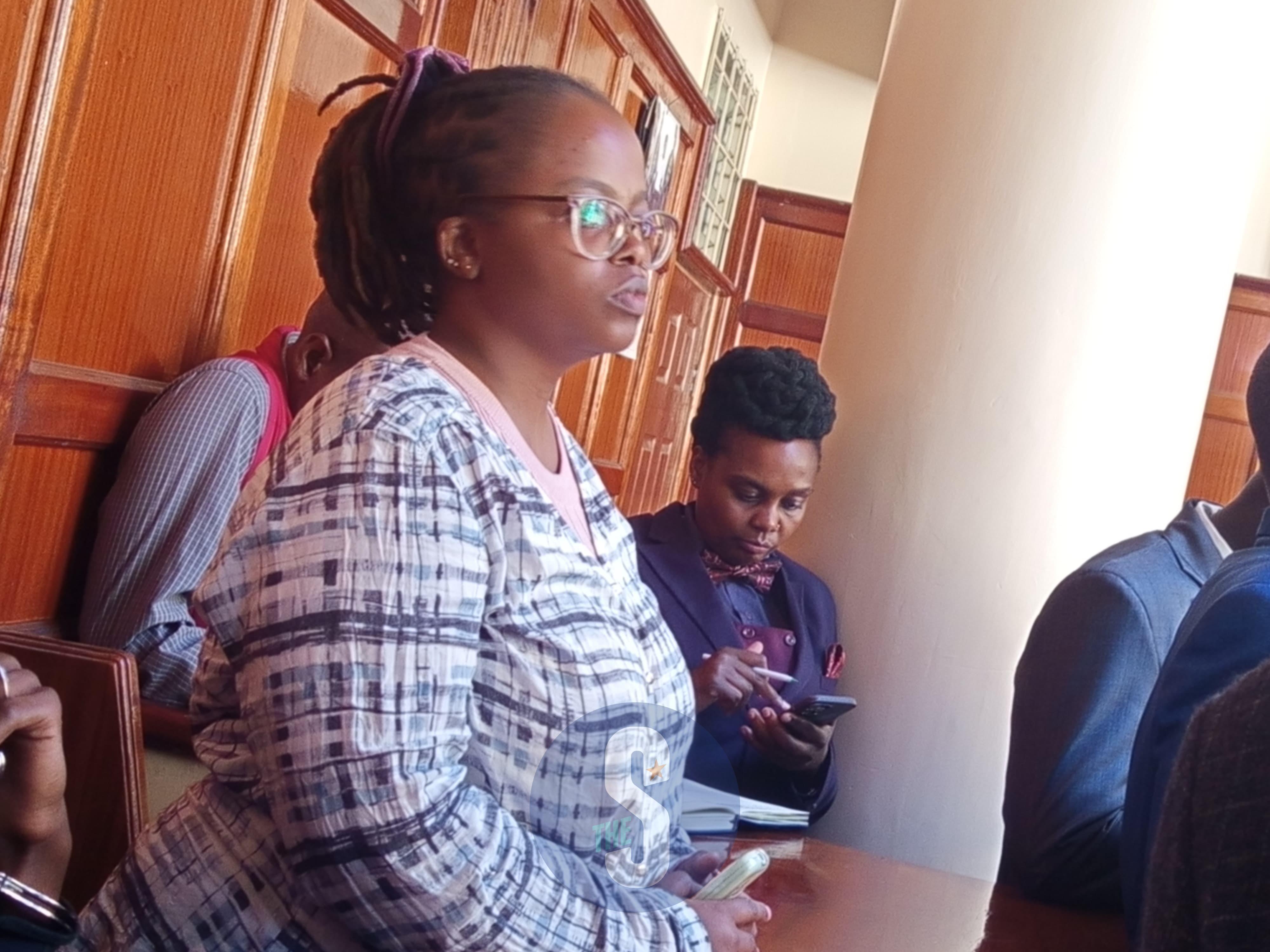
Outrage over Njeri’s ordeal united netizens in condemnation. @MoGAbdi voiced a common sentiment, stating, “Rose Njeri is being persecuted for building a tool that empowered citizens to question power. Her arrest, the denial of counsel, and her secretive transfer reek of a regime terrified of transparency. This is not justice — it is repression.”
Many saw her case as part of a broader pattern, with @MoGAbdi adding, “A rogue system—bogus charges, illegal arrests, and Friday detentions used to silence dissent.”
@laureezyf echoed this frustration, tweeting, “People are so obsessed with staying in the good graces of those in power that they do suck illogical things, just because Njeri was trying to keep us informed.”
Kenyans viewed her detention as a direct attack on their right to participate in governance, especially amid economic struggles heightened by the Finance Bill 2025.
Her mother, Naomi Njoki, tugged at heartstrings, pleading for her daughter’s release and highlighting Njeri’s anemia and the needs of her two children, aged 14 and 3.
@JosephMwenja3 noted, “Her case has drawn significant attention, with well-wishers likely stepping forward to support her,” reflecting Kenyans’ readiness to stand by her, financially and emotionally.
Civil society, the Law Society of Kenya, and Amnesty Kenya demanded her charges—under Section 16 of the Computer Misuse and Cybercrimes Act—be dropped, with her legal team, backed by figures like former Chief Justice David Maraga, decrying them as unconstitutional.
Kenyans cheered this support, seeing it as a stand for free expression and public participation.
The saga began with Njeri’s arrest on May 30, 2025, when 15 DCI officers raided her Nairobi apartment, seizing her phone, laptop, and hard drives.
Charged with “interfering” with government systems via mass emails, she was held over the Madaraka weekend, her whereabouts initially unknown to family and counsel. This sparked fury, but her release shifted the tone to hope.