For generations, a natural biological process was shrouded in secrecy and shame.
Menstruation, a fundamental aspect of female health, was often discussed only in whispers, if at all.
This pervasive silence led to widespread misinformation, exclusion, and significant barriers to health and dignity for millions.
It was a taboo that dictated where women could go, what they could touch, and even how they felt about their bodies.
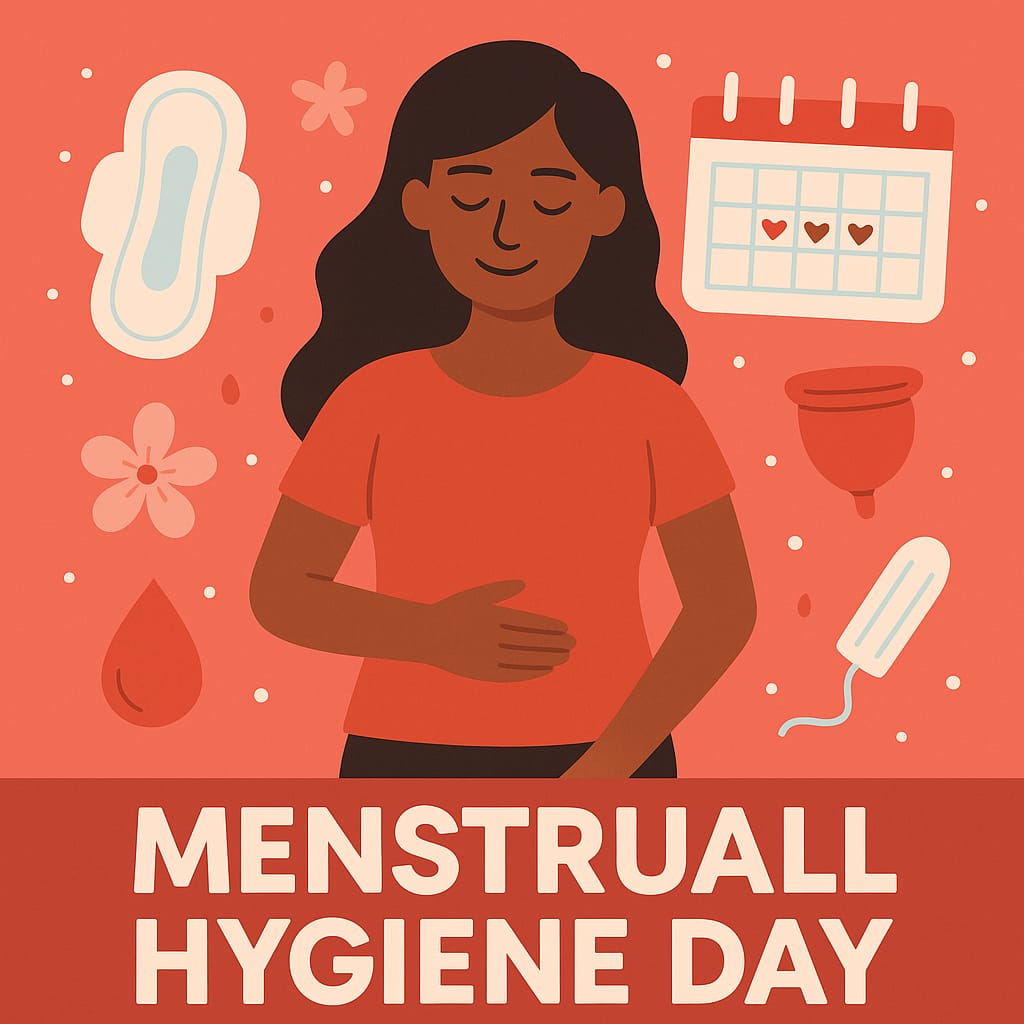
Today, that silence is being challenged. Menstrual Hygiene Day (MH Day), observed annually on May 28, serves as a pivotal global platform.
It aims to dismantle these enduring taboos and ensure that every individual can manage their menstruation safely, hygienically, and with dignity.
What is Menstrual Hygiene Day?
MH Day is more than just an awareness day. It is a concerted effort by non-profits, governments, advocates, and communities worldwide.
The core mission is to promote good menstrual health and hygiene (MHH) and to create a world where no one is held back by their period.
The date, May 28, is symbolic: May is the 5th month, representing the average 5 days of a period, and 28 signifies the average length of a menstrual cycle.
"MH Day is critical for normalising menstruation," states Dr. Lena Peters, a global health expert.
"It shifts the conversation from shame to health and human rights. This recognition is fundamental for progress."
The theme for Menstrual Hygiene Day 2025 is Together for a #PeriodFriendlyWorld.
The unseen burden: Deep-seated challenges
Despite growing global advocacy, the challenges remain immense and deeply ingrained.
Period poverty, the inability to afford menstrual products, affects over 500 million women and girls globally, according to the World Bank.
In Kenya, a 2022 World Bank study found that 65% of girls and women struggle to afford sanitary pads. This often forces them to use unhygienic alternatives like rags or leaves.
Tragic reports from Amref Health Africa even highlight that two out of three rural Kenyan pad users are coerced into transactional sex to obtain products.
Lack of access to products and proper sanitation significantly impacts education.
Studies show alarming rates of school absenteeism: up to 59% of schoolgirls in Kenya miss 1 to 7 days monthly, while in Ethiopia, 50% miss 1 to 4 days.
In the UK, a Plan International study revealed that 64% of schoolgirls aged 14-21 missed part or full days due to menstruation.
Beyond education, poor MHH carries severe health risks.
"Inadequate menstrual hygiene can lead to reproductive tract infections, urinary tract infections, skin irritations, and profound discomfort," warns Sarah Khan, a women's health advocate.
"These are preventable issues that often go untreated due to lack of resources and ongoing stigma."
Culturally, menstruation remains deeply stigmatised in many parts of the world.
Ancient beliefs, still prevalent in some communities, label menstruating women as impure or dangerous.
Practices like "Chhaupadi" in Nepal and parts of India force menstruating women into isolated huts, exposing them to extreme cold, animal attacks, and sexual violence.
Such taboos often prohibit women from touching food, entering religious sites, or participating in social gatherings, reinforcing their marginalisation.
Global progress and the path forward
Encouraging progress is being made. Governments globally are stepping up with concrete policies.
Scotland became the first country to legally mandate free universal access to menstrual products in 2020.
New Zealand began providing free products in all schools in 2021.
France has invested in free product distribution in schools, and several US states have similar legislation.
Kenya was a pioneer, removing import taxes on sanitary products as early as 2004 and later distributing free pads in public schools.
South Africa, Botswana, and Zambia have also implemented programs to provide free menstrual products, especially for schoolgirls.
"These policy changes are transformative," states Maria Gakou, a program manager for a local MHH initiative.
"They address economic barriers and send a powerful message: menstrual health is a public good, not a private shame."
Organisations like UNICEF and WHO are also at the forefront, developing guidelines and implementing programs that focus on improving access to information, facilities, and products.
Their work includes educating boys and men to be allies, challenging harmful norms, and supporting sustainable menstrual solutions.
Menstrual Hygiene Day 2025 emphasises the urgent need for continued, concerted action.
Breaking the silence, ensuring access to essential products and education, and fostering supportive environments are crucial.
It's a fundamental step towards achieving gender equality and ensuring health and dignity for every person who menstruates.