Once top of their class and full of promise, young doctors now face a brutal truth—medicine is not the prestige-filled path they dreamt of, but one paved with burnout, despair and broken systems.
In lecture halls, they were the brightest—the ones who aced exams, sacrificed sleep and believed that hard work would yield not just meaning, but stability and success.
But reality, for many young doctors in Kenya, is far more harrowing.
The path to healing others is increasingly breaking them.
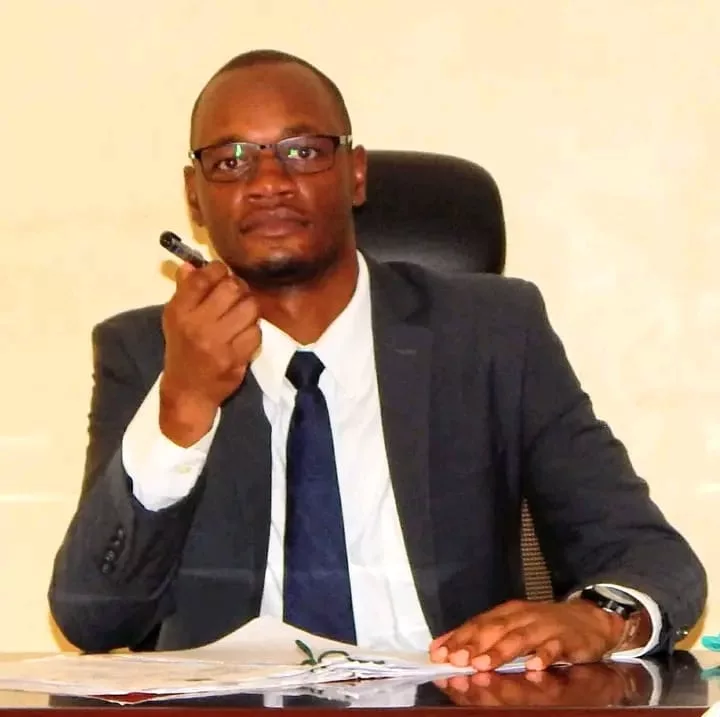
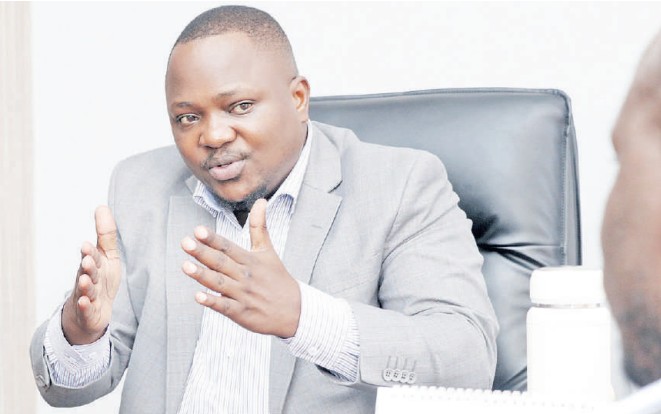
Dennis Miskella, deputy secretary general of Kenya Medical Practitioners Pharmacists and Dentists’ Union says the reality breaks them once they start practicing, driving them, especially the young ones into mental health beds and early graves.
He told the Star in an interview on Thursday that the scourge of mental health concerns, including depression, drug abuse and suicidal tendencies is a result of a chain of pressures that makes the practice no longer enjoyable and prestigious.
Miskella said besides medicine being a tough subject, a broken public health system, limited human resource and losing patients, worsens the mental health condition of the young doctors.
“Young doctors find it rough to take off and it is a matter that makes us scratch our heads everyday as a union,” he said.
Miskella said there is need to review training institutions since most of them are admitting more students than they can train.
The economy is also not stable enough to absorb them.
“We have universities that are purporting to admit more students than they are able to properly train and equip. Some train up to a maximum 650 students against the required 250. Some are allowed to admit only 50 medical students but they take in as many as 300 students,” he said.
“This has an impact on the government’s capacity to cater for doctors, including interns. We have addressed the matter with CS Aden Dale and we continue to push.”
Miskella said there is need to expand internship centres for graduate doctors and evenly distribute the senior doctors and consultants who mentor and supervise.
In most cases, intern doctors get posted to understaffed facilities, which are poorly equipped.
Managements also overwork them, leaving a negative impact on their mental and physical health.
“In most facilities, it is the intern doctors who do most of the work. We have cases where their supervisors, who are equally frustrated, shout and mishandle them. The young doctors then easily resort to the bottle or other destructive means of coping,” he said.
KMPDU believes creating a Health Service Commission is the solution to managing the health human resource.
He says corruption, bribery, political patronage in the counties is causing major challenges.