
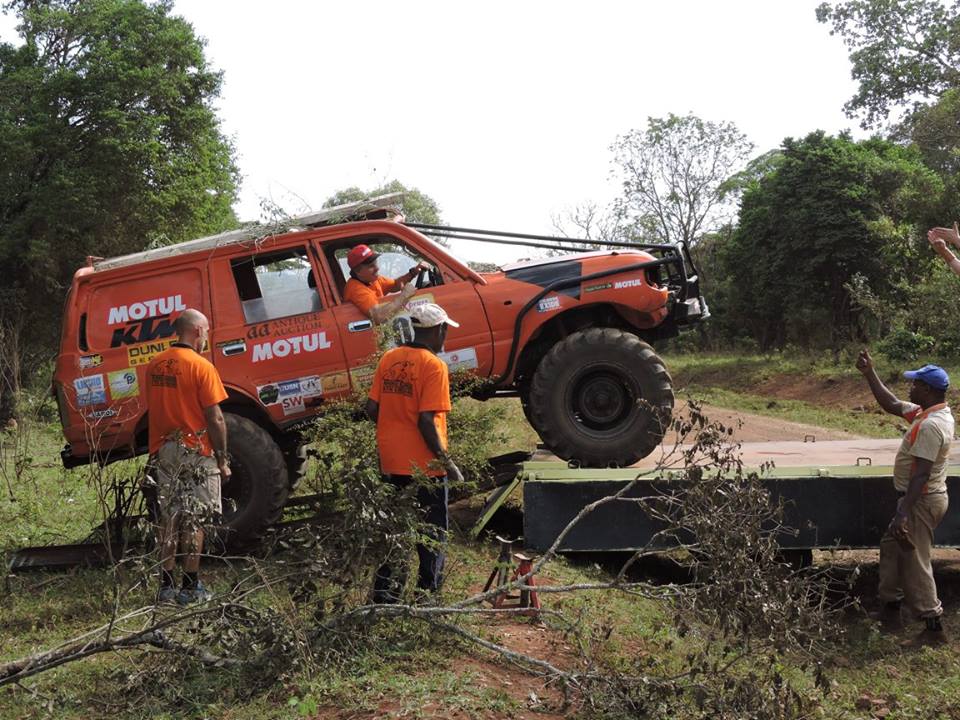
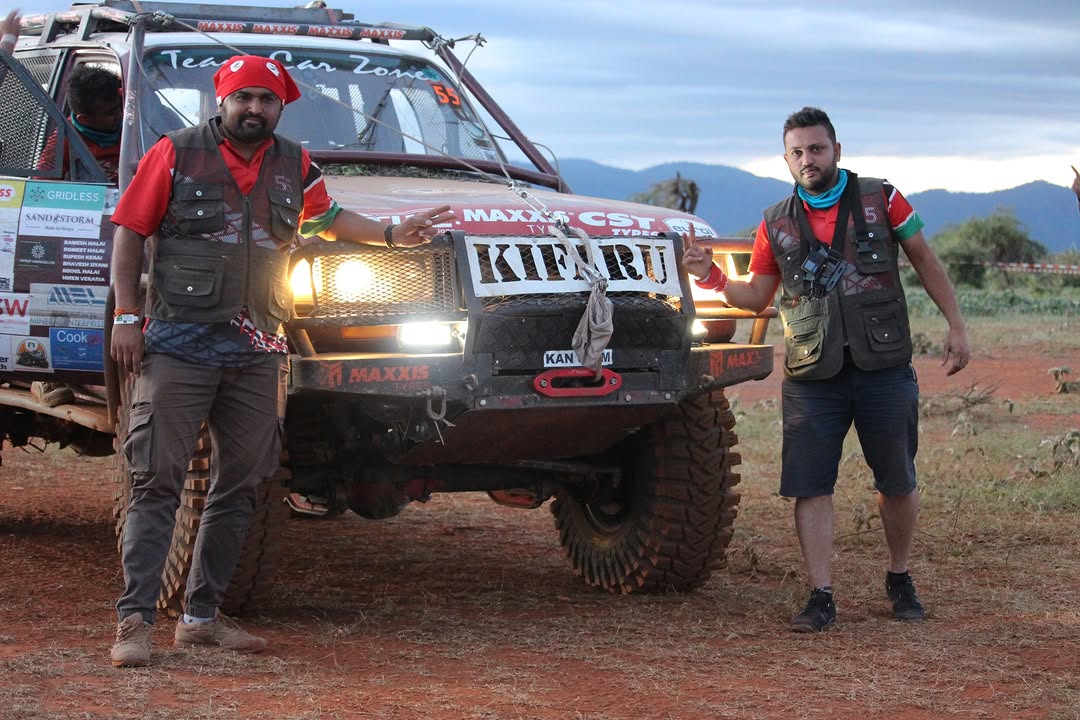
The Rhino Charge is described as a legendary and annual event in Kenya, known as one of the world’s toughest off-road challenges. It is significantly more than just a race; it's fundamentally linked to and drives conservation forward.
Since its inception, the Rhino Charge has played a critical role in supporting the conservation efforts of the Rhino Ark Charitable Trust. The event has successfully raised over Sh2.4 billion for this vital work.
Rhino Ark was established in 1988 in response to the severe threat to Kenya’s Black Rhino population within the Aberdare ecosystem. Initially, its purpose was to assist the Kenya Wildlife Service (KWS) in financing a protective fence around Aberdare's Eastern Salient.
The mission evolved, leading to the construction of a 400-kilometre electric fence encircling the entire Aberdare Conservation Area. This substantial project was completed in 2009 and officially commissioned in 2010.
The fence has been successful in curbing poaching, protecting wildlife, and reducing human-wildlife conflict with nearby farming communities.
Rhino Ark's work, heavily supported by initiatives like the Rhino Charge, has expanded beyond the Aberdares. They now also support the conservation of other vital mountain forest ecosystems in Kenya, including Mount Kenya, the Mau, and Mount Eburu.
The organization focuses on building sustainable, long-term solutions to protect Kenya’s critical water towers, preserve biodiversity, and promote peaceful coexistence between communities and wildlife. These ecosystems collectively provide yearly ecological services to Kenya worth Sh412 billion.
The Rhino Charge itself is described as always challenging teams to adapt, innovate, and respect the landscapes they aim to protect. Welcoming innovative approaches, such as the introduction of new technology, is seen as a natural evolution of the event's spirit, where technology serves as a platform for conservation leadership.
The 2025 Rhino Charge and the EV Explorers Initiative
The 2025 Rhino Charge will feature a pioneering initiative: the participation of the EV Explorers. This team is making history as the first-ever electric vehicle (EV) team to compete in the legendary Rhino Charge.
This bold move is aimed at decarbonizing transport, showcasing African innovation, and proving that electric mobility is capable of handling even the toughest terrain. The EV Explorers initiative is seen as a movement, not just about one race, but about showing what is possible and inspiring change in motorsport, sustainability, and beyond.
The core messaging around EV Explorers highlights that it's about more than just racing – it's about innovation, conservation, and the future of mobility in Africa.
The team is competing explicitly in support of Rhino Ark, helping to fund vital conservation efforts in Kenya. This initiative aligns directly with Rhino Ark’s mission.
The launch event for the EV Explorers was held at Carnivore Restaurant in Nairobi on Tuesday, April 29th, 2025, starting at 17:30.
Speaking during the launch event, Africa Practice Partner and EV Explorers team leader Richard Kiplagat said: “We are proud to be the first team to attempt the Rhino Charge with a Zero-emissions vehicle. It is clear that climate change and conservation are linked, and we wanted to raise awareness and funds with this in mind. We thought a zero emissions car was a great way to show what is possible and to bring some new excitement to our entry”.

The EV Explorers' historic participation and launch event in the context of the 2025 Rhino Charge will take place on May 31, 2025.
The EV Explorers are backed by a group of partners committed to advancing sustainable mobility and conservation in Kenya, including Africa Practice, Base Titanium, Valar, KenGen, KCB, Gulf Energy, Maxxis, Safaricom, Lake Turkana Wind Power Project, Africa Bridge Fund, Trinity Energy, Kingdom Ban, and Axum.
Their support reflects the growing momentum for climate-smart innovation across various sectors. The initiative is also supported by a favorable environment for electric mobility in Kenya, influenced by supportive government policies and investments in infrastructure.