KENYA is among African countries with potential to drive e-mobility use in the continent, global experts have noted, amid a global push for climate proofing transport investments in emerging economies.
This comes as the International Transport Forum (ITF)–a think-tank for transport policy issues which organises the annual global summit of transport ministers, moves to increase its collaboration with the continent with the first high-level dialogue for the mobility sector in Africa set for next year.
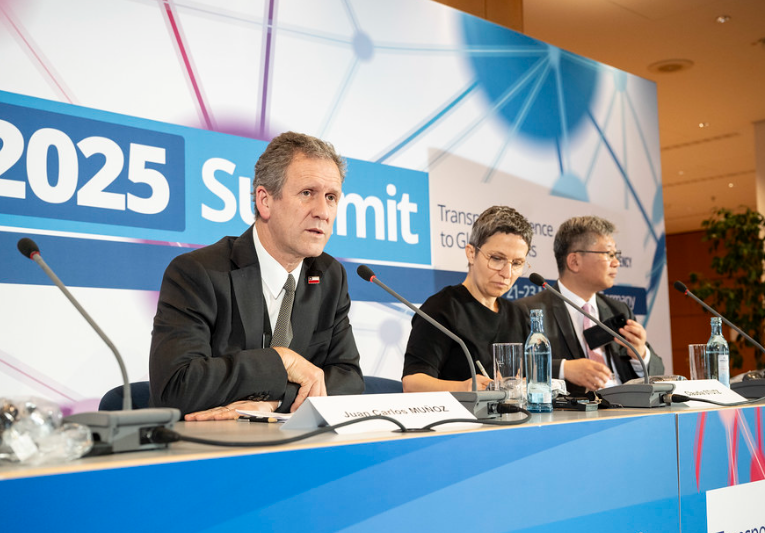
Speaking during this year’s summit in Leipzig, Germany, ITF Secretary-General, Young Tae Kim, said the organisation is “now in dialogue with the Kenyan government,” and other African countries on building climate resilient infrastructure.
ITF is an inter-governmental organisation within the Organisation for Economic Co-operation and Development) system.
“I met with the Kenyan ambassador to France and we discussed the issue. And most hopefully, next year, we might be able to organise that event to make African countries participate more actively in these kinds of discussions,” Kim told the Star during the summit.
This, even as he indicated that developing countries remain exposed to high exports of used-fossil fuel-based cars which impacts strides being made on adoption of cleaner transport systems.
“It is a bit confusing topic, because when we talk about decarbonising transport in the Western world, sometimes we really try to remove all the fossil fuel-based vehicles and we export them to the developing world and the underdeveloped world. So, people living in that area, they buy a car newly, but in fact, it's not new, and that has an impact on climate questions,” Kim said during a media briefing.
A recent study by pan-African research network, Afrobarometer, indicates majority of Kenyans support greater investments in climate-resilient infrastructure.
“Most Kenyans want their government to invest in climate-resilient infrastructure (82%) and solar and wind energy (62%) in response to changing weather patterns and environmental degradation. 74 per crnt say the government should put more pressure on rich countries to provide resources to support Kenya’s response to climatic changes,” the report reads in part.
According to experts, African countries are lagging behind in building climate resilient infrastructure due to a combination of factors among them lack of investment, inadequate data and financing, and a focus on short-term economic needs over long-term resilience.
While climate change impacts are severe across the continent, with many African countries experiencing devastating effects of extreme weather events, the investments needed to build climate-resilient infrastructure are not being fully met.
ITF has since called for proper planning and collaborations to ensure transport resilience to global shocks, while driving the decarbonization agenda and adoption of clean energy in transport.
“It the financial cooperation worldwide that is happening. It is also about how we develope renewable energy that is ready to feed our electric buses. And therefore, I think it's evident that the international collaboration and cooperation is key for those projects to blossom,” said Juan Munoz, ITF president and the State Secretary, Ministry of Public Works and Transport for Chile.
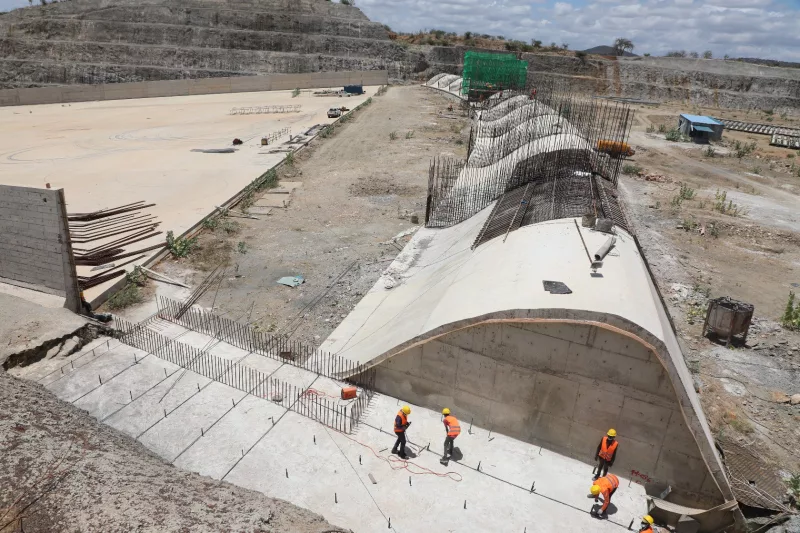
The call by ITF comes as Kenya pushes on with its e-Mobility policy approved by Cabinet last year, that seeks to guide the country’s journey towards a complete shift to clean energy use, mainly renewables.
Official statistics indicate that the transport sector accounts for about 23 per cernt of global carbon emissions.
The Kenyan government has committed to a 32 per centreduction of greenhouse gas emissions by the year 2030, a target that will partly be achieved by adoption of green transport systems.