A global human rights lobby has blamed tension between Kenya and the DRC for the failed Nairobi process that aimed to establish peace in the mineral-rich but war-torn country.
Human Rights Watch, in a detailed brief on African peace and security sent to the African Union, deplored that strained diplomatic relations between Nairobi and Kinsasha undermined the East African Community initiative that had shown promise.
Initially launched to mediate between the Congolese government and armed groups, the Nairobi Process has been derailed by “tensions between Kenya and Congo and other issues,” the lobby said.
Before he left power, President Uhuru Kenyatta led the EAC in creating a stabilising force that occupies the troubled North Kivu region of the DRC, an initiative that was to run alongside the Nairobi and Angola dialogue processes.
After President William Ruto assumed power in 2022, relations between Kenya and the DRC declined sharply.
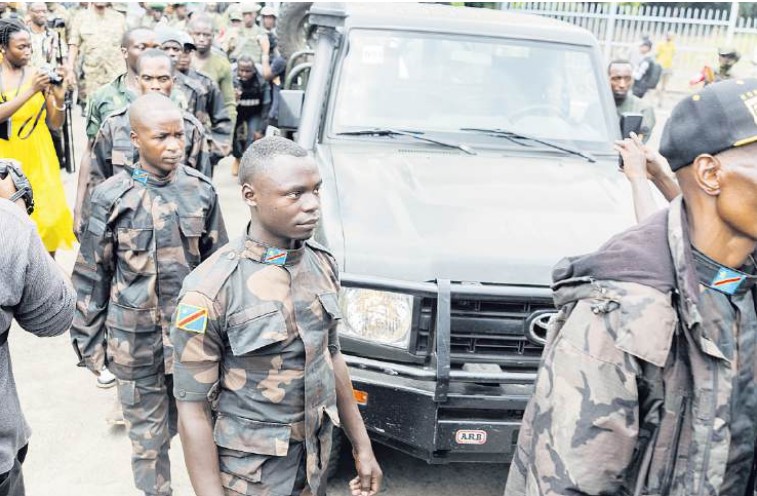
The DRC said Kenya was too close to the Rwanda, which presumably backs the M23 rebels, which captured Goma and other areas. Rwanda denies this. Kinsasha sent the Kenya-led EAC regional force packing in late 2023.
The withdrawal caused the situation in the country to deteriorate, degenerating into a destabilising war.
Meanwhile, the Luanda Process led by Angola to ease Congo-Rwanda tensions, also broke down after last year’s July ceasefire was violated and a planned summit between Presidents Félix Tshisekedi and Paul Kagame was cancelled. Angola formally ended its mediation role in March.
Other peace efforts have similarly faltered. The Southern African Development Community deployed troops to support Congo’s army in December 2023, while the UN maintains a peacekeeping presence in the region.
These overlapping deployments, however, have underlined the urgent need for coordinated action, especially ahead of the UN’s phased withdrawal.
In June 2023, the AU hosted a Quadripartite Summit involving the EAC, SADC, the International Conference on the Great Lakes Region (ICGLR,) and the Economic Community of Central African States. The meeting produced a joint framework to align peace efforts and called for regular coordination.
Despite a follow-up by military chiefs in October 2023, no further summits have been held. The lack of continued coordination, Human Rights Watch RW warns, risks undermining all ongoing peace and security operations.
“Impunity for abuses has been a key driver for ongoing cycles of abuses in Congo,” HRW emphasised.
In February this year, EAC and SADC leaders merged the Nairobi and Luanda processes and appointed five former presidents to lead mediation. However, HRW said the summit failed to address abuses committed by all sides and again did not call out Rwanda’s backing of M23.
The African Commission on Human and Peoples’ Rights (ACHPR) has raised concern over violence against civilians but remains silent on abuses by state forces, including Rwandan and Congolese troops. In its statement after M23 captured Goma in January, it denounced abuses by non-state actors, while not demanding accountability for abuses by government forces.
HRW recommends urgent steps: regional blocs and the AU should pressure all armed groups and their foreign backers to allow humanitarian aid access; all responsible parties, including Rwanda and Congo, should be explicitly named and condemned; and the fact-finding mission promised by the PSC in January should be carried out.
HRW also urges the AU to convene a new Quadripartite Summit to coordinate military operations and ensure peace efforts prioritise civilian protection and accountability.
“The merging of peace initiatives means little without political will and an honest reckoning with the abuses that have fuelled Congo’s crises,” the lobby said.
Civil society groups continue to call for stronger action and oversight, warning that without accountability, regional diplomacy alone cannot bring lasting peace.